The position of a screen can shape how a driver experiences a car even when no one actively uses the display. That idea explains why Maserati places its digital systems lower on the dashboard instead of keeping them constantly visible while driving.
Klaus Busse, Maserati’s head of design, explained that the brand has no intention of rejecting technology. Modern cars need displays to manage navigation, entertainment, climate controls, and numerous vehicle functions. Removing them would require an excessive number of physical controls, turning the interior into something resembling the cockpit of an old Boeing 747.
Maserati says dashboard screens should stay out of the driver’s sight
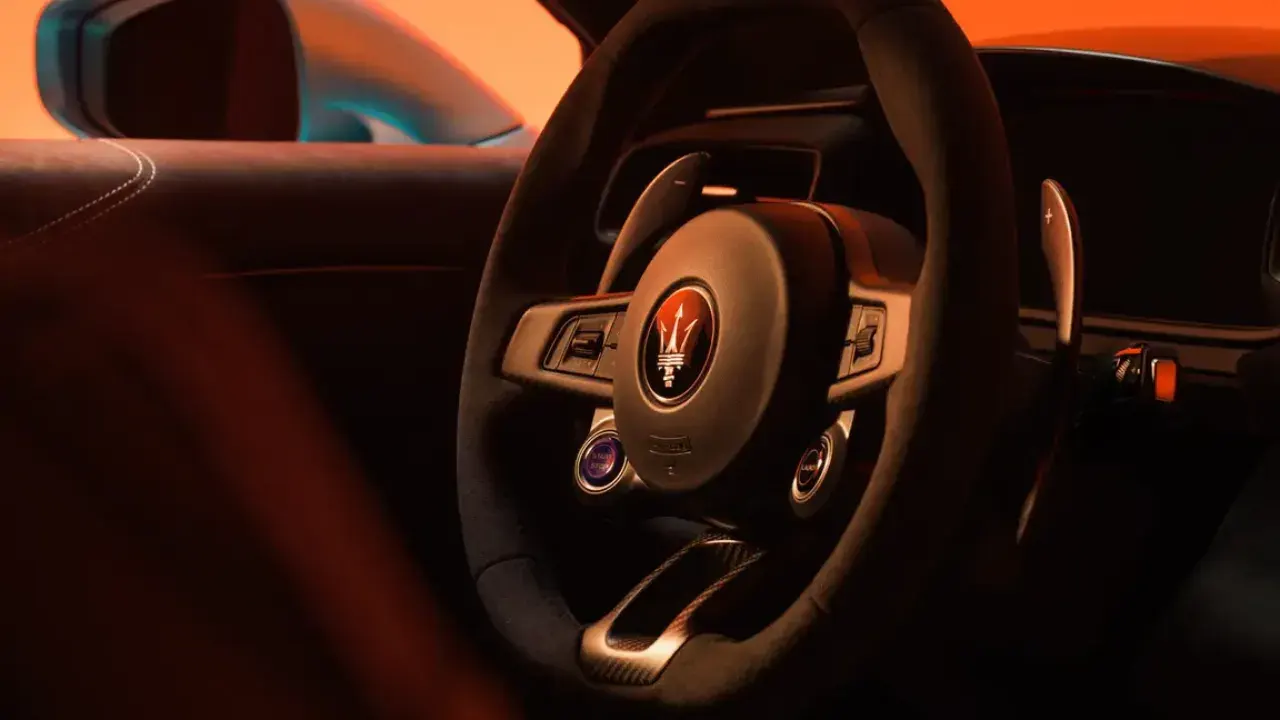
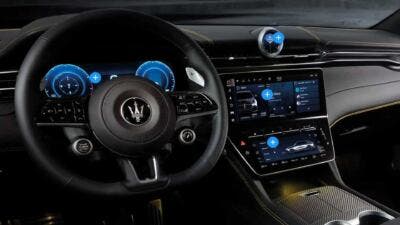
Maserati has chosen a different balance. The brand positions its screens below the air vents, where drivers can still reach them easily without placing them directly in their main field of vision. According to Busse, a screen mounted on top of the dashboard remains visible in the driver’s peripheral vision even when their eyes stay on the road. Images, animations, and changes in brightness can therefore draw attention unintentionally.
The approach involves more than interior styling. Maserati wants drivers to keep their eyes on the road and their hands on the steering wheel, using digital systems only when they actually need them. Technology should simplify the driving experience rather than become its dominant feature.
This philosophy also separates Maserati from other Stellantis brands. Alfa Romeo, for example, has placed displays higher on the dashboard in some models. Although both companies belong to the same group, Maserati retains enough design freedom to develop its own approach to interiors and vehicle interaction.
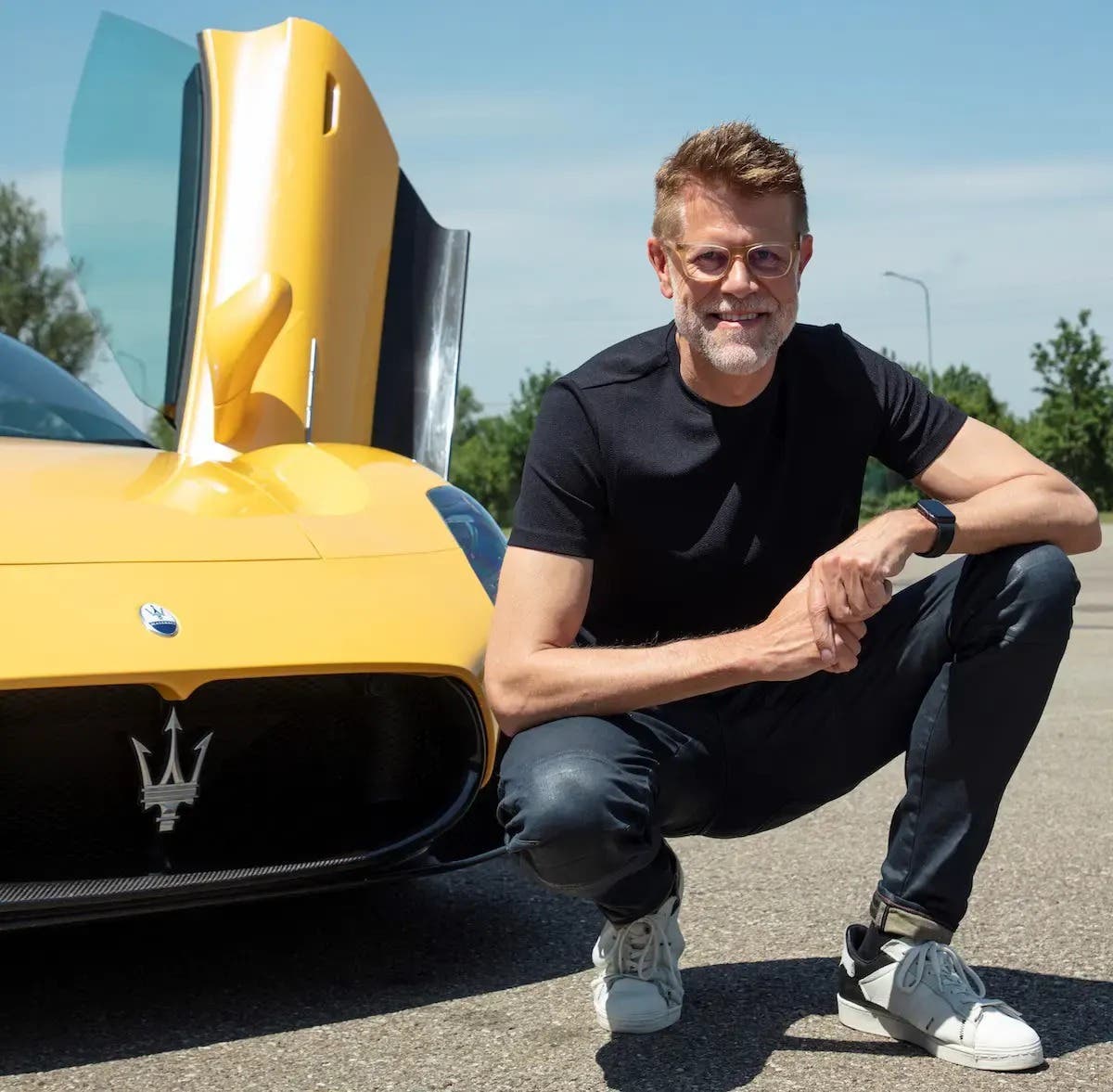
Busse also described a predictive feature linked to the shift paddles. When the vehicle recognizes a low-speed maneuver, such as a multi-point turn, it can suggest a mode that lets the driver alternate between forward and reverse by using the paddles. That feature eliminates the need to repeatedly move a hand toward the gear selector, keeping the driver more focused on the task.
Maserati’s future interiors will not represent a nostalgic return to fully analog cabins. The company will continue using screens and software, but it plans to integrate them more discreetly. In upcoming models, digital technology will support the driver without taking attention away from the road, the materials, and the emotional character that Maserati considers essential to its identity.