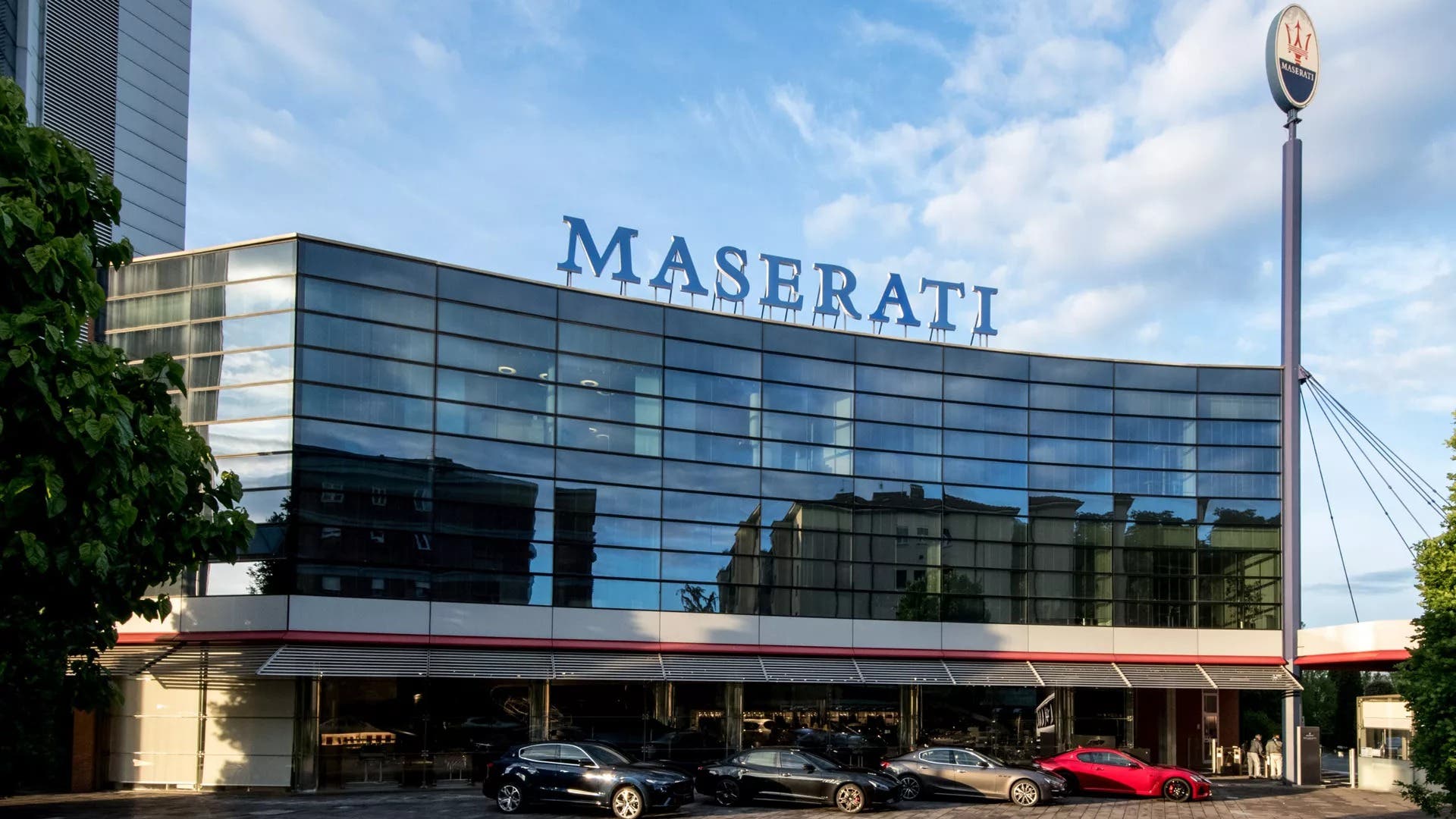
The first quarter of 2026 brought some life back to Maserati’s Modena plant. Between January and March, the factory produced 250 vehicles, compared with just 30 in the same period of 2025. That equals a 583 percent increase. Even though the comparison starts from a very low base, it still marks a reversal for one of the most symbolic sites in the Italian auto industry, a plant that in recent months has sat at the center of debate over its production outlook.
Maserati’s Modena plant is moving again, but recovery is still far from secure
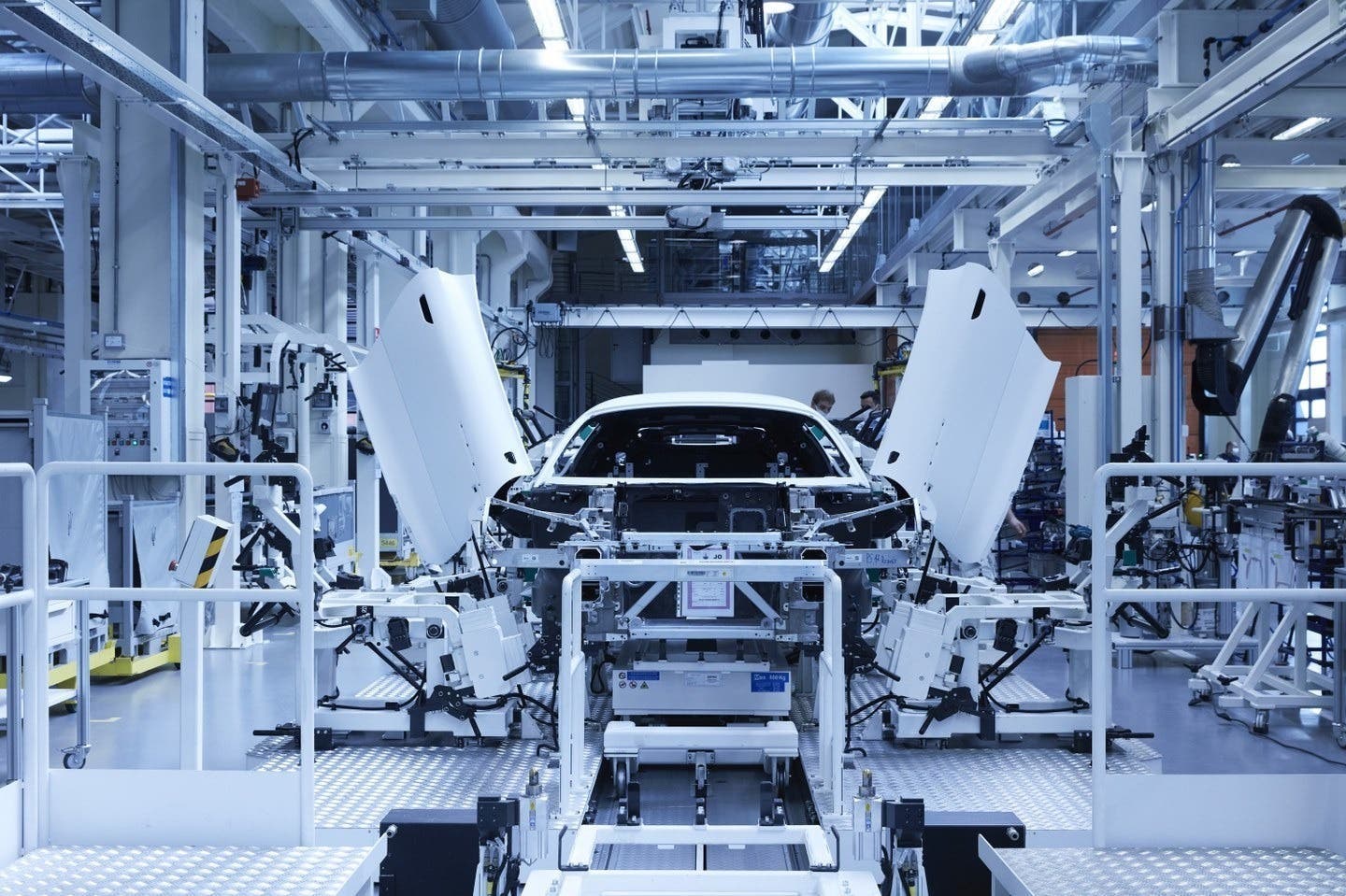
The main driver behind the rebound is the transfer of GranTurismo and GranCabrio assembly to Modena. Those two models now account for roughly 80 percent of the site’s total volume. That means the future of the plant still depends closely on the role Maserati can carve out for itself inside Stellantis over the next few years, at a time when the Trident brand’s lineup remains under strategic review and management has not yet given a final answer on its direction.
Even so, these figures require caution. Fim-Cisl general secretary Ferdinando Uliano has also warned observers not to get carried away by the percentage increase, because in absolute terms production remains far below the levels that once defined Modena. The plant is improving, but the current numbers still do not justify calling this a fully stabilized phase.
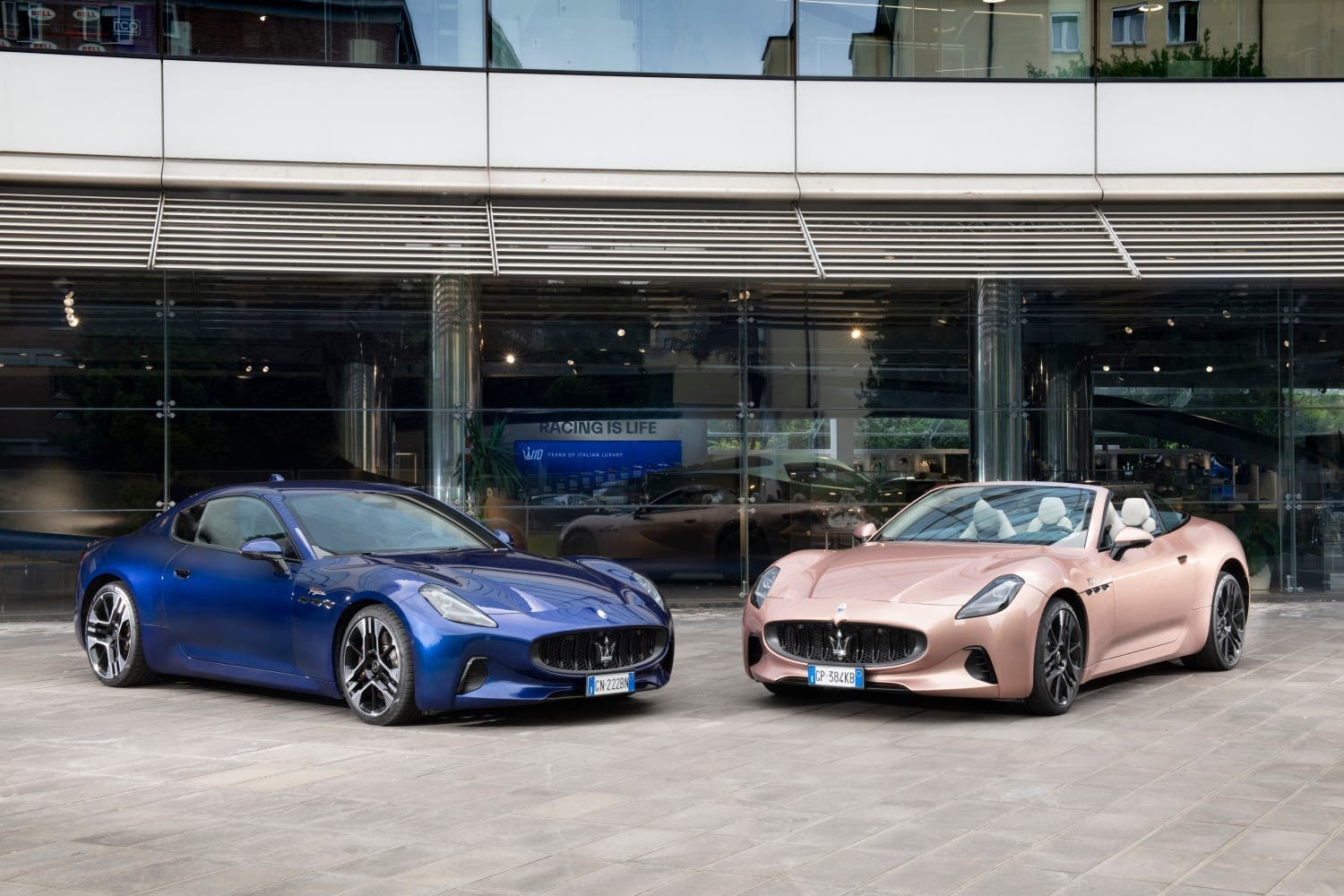
Maserati’s production increase comes in a quarter that also brought some recovery signs for Stellantis at the national level. The group raised its Italian production by 9.5 percent and is now aiming to close the year with 500,000 vehicles built, including more than 300,000 passenger cars. Whether Stellantis reaches that goal will depend on the strength of current models and on the market’s ability to absorb the new products arriving in the coming months.
The Modena figure, while positive, still leaves several questions open. A rebound from an especially weak 2025 was almost inevitable. The real issue now is whether this first improvement can turn into a more stable recovery over the next several months. Much will depend on Stellantis’ new industrial plan, which will need to clarify the role Maserati will play in the group’s future and which production missions Stellantis will assign to its Italian plants.