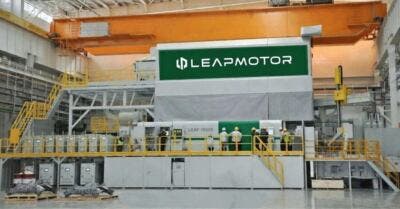
The joint venture between Stellantis and Leapmotor has opened a battery module assembly laboratory in Mallén, Aragon, marking the shift from a mainly commercial collaboration to a more rooted industrial presence in Europe. The facility covers around 34,000 square metres in total, including 19,000 square metres of covered space, and will initially focus on LFP, or lithium-iron-phosphate, batteries, a chemistry that offers a favourable balance between cost, durability and safety.
Leapmotor opens battery module lab in Spain as European production takes shape

The choice of Aragon follows a clear industrial logic. Mallén sits in the Zaragoza and Figueruelas area, where Stellantis already operates production facilities and where the project with CATL for LFP cell production is also taking shape. The aim is to build an integrated ecosystem in which cells, modules and vehicles can be produced close to one another, creating significant logistical and economic advantages.
The laboratory will start with an initial capacity of around 65,000 battery modules per year, with the possibility of increasing output to 100,000 units. These numbers remain far from gigafactory scale, but they are enough to support the first phase of European production and develop local expertise in a strategic sector. Spanish staff and Chinese specialists will work together at the site, supported by a technology transfer programme that has already included the training of European workers at Leapmotor plants in China.
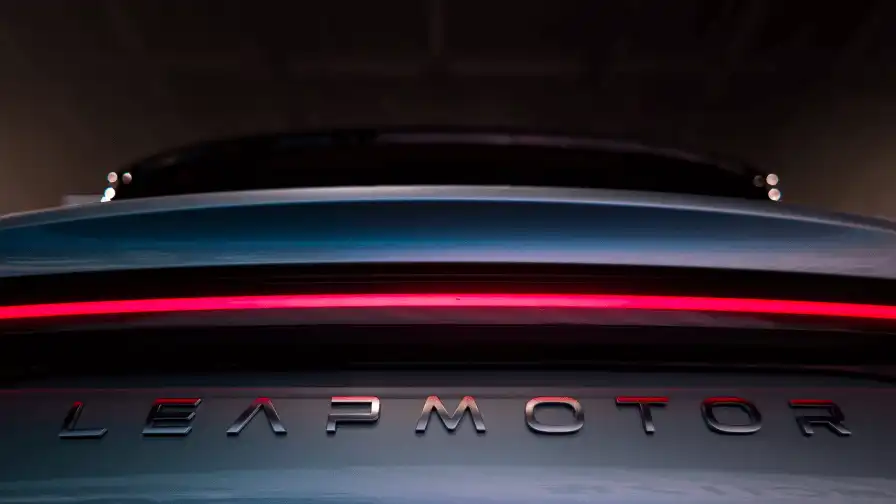
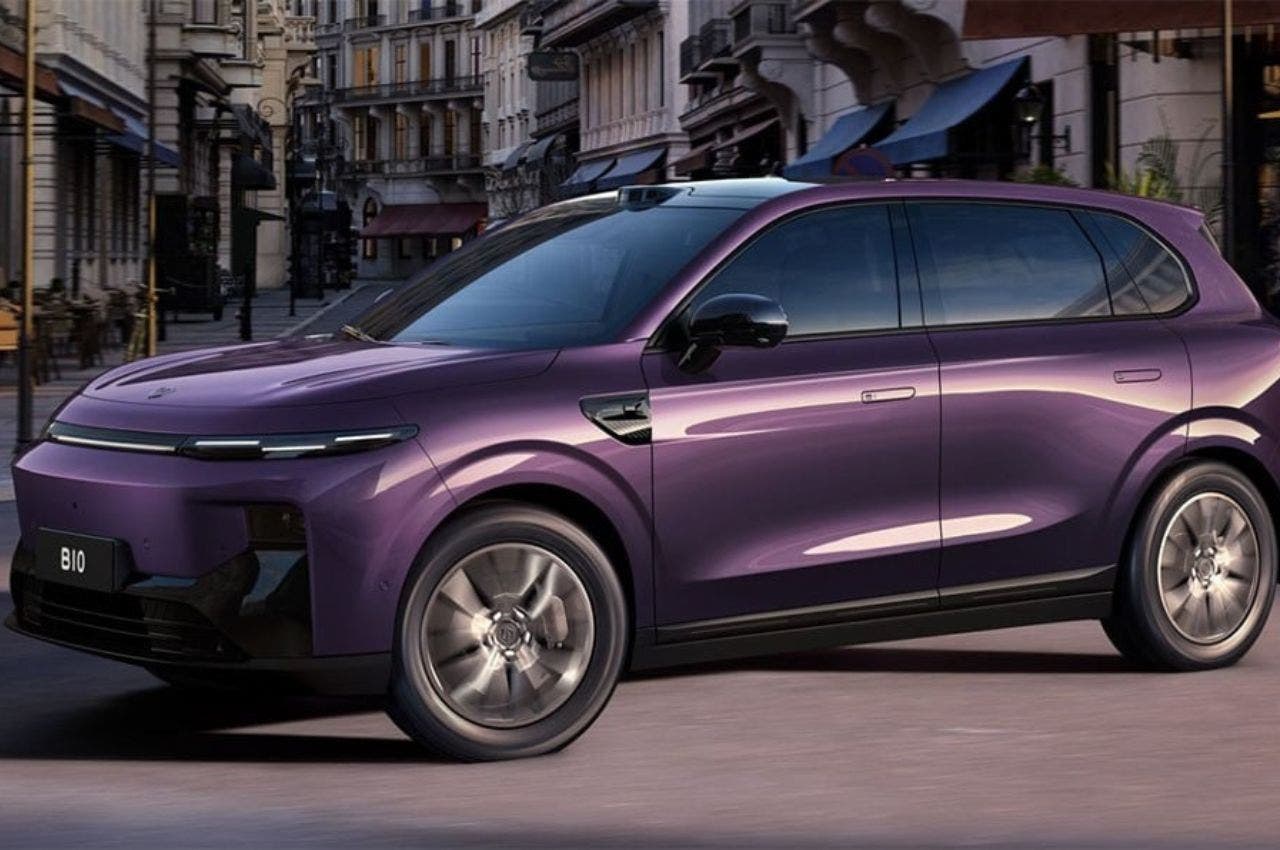
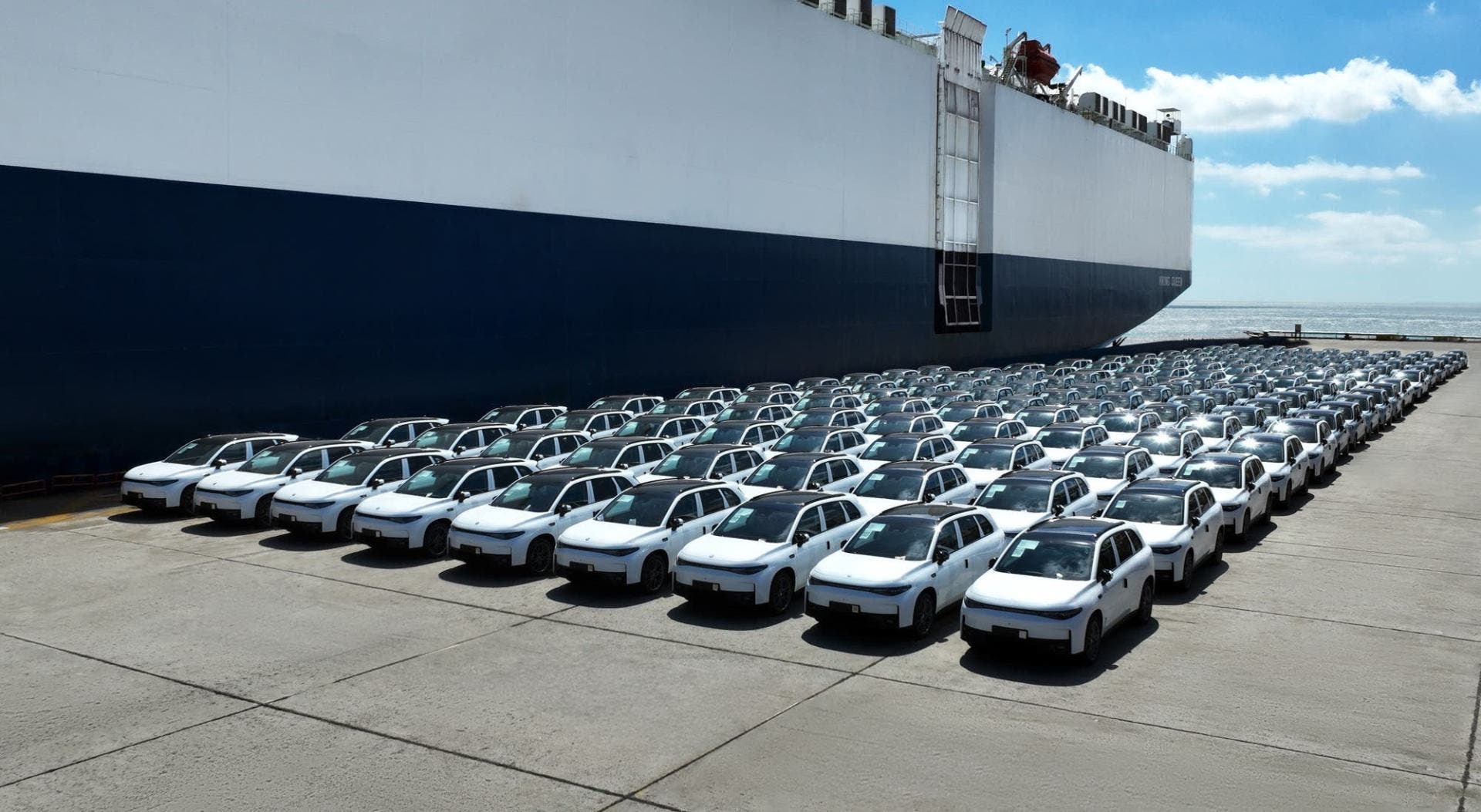
Above all, the laboratory prepares the ground for the next industrial step: the assembly of the Leapmotor B10 in Aragon. The electric SUV is expected to become one of the key models in the brand’s European growth. Producing the B10 locally would allow Leapmotor and Stellantis to shorten the supply chain and approach the European market with a more credible industrial structure than simple imports from China.
For Stellantis, the joint venture with Leapmotor offers a way to strengthen its position in the part of the electric market where price and industrial efficiency matter most. For Leapmotor, opening a battery laboratory in Europe means entering the heart of the continent’s energy transition, where local production capacity is becoming an increasingly important requirement.