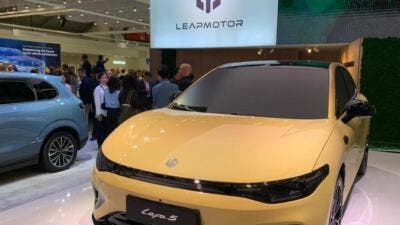
We’ve seen plenty of Chinese brands arrive with grand promises only to vanish faster than a cheap battery in a blizzard. But Leapmotor is playing a different, much more calculated game. They’ve hand-picked a “starter pack” designed to soothe the anxious European soul.
You’ve got the T03, a tiny electric city car that costs less than a fancy watch, and the C10, a SUV that pretends to be premium while offering both full electric and hybrid lifelines. It’s a methodical, almost surgical approach.
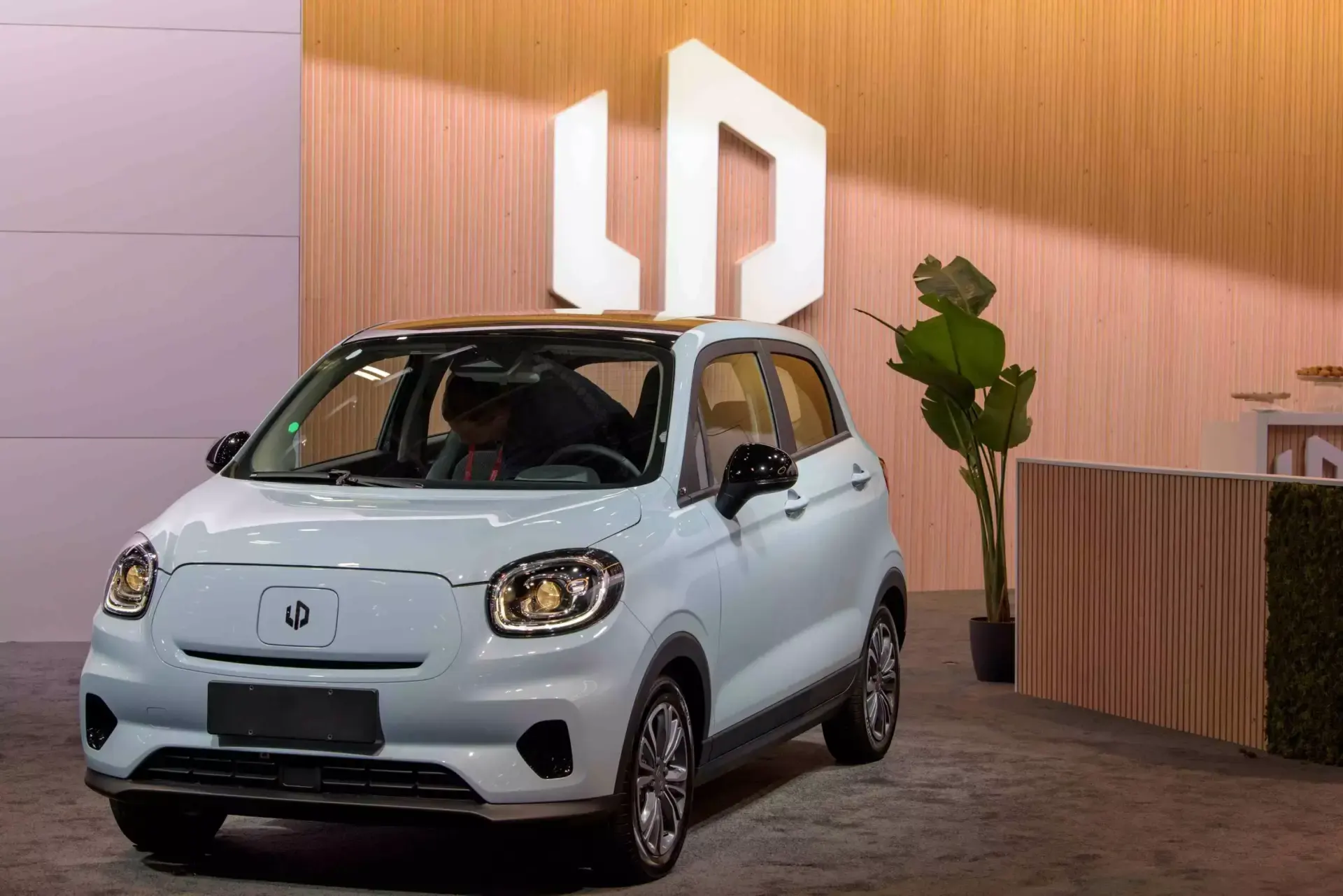
The numbers, frankly, are staggering. The kind of triple-digit growth that makes traditional CEOs lose sleep and reach for the antacids. In the last quarter of 2025, Leapmotor moved over 17,000 units in Europe. To put that in perspective, they sold a measly 1,300 in the same period a year earlier. That’s not just growth; it’s a vertical takeoff.
Is this real consumer demand, or are we looking at aggressive fleet discounts and “buy-one-get-one-free” launch prices? A trajectory, after all, isn’t a destination. It’s just a line on a graph that can head south just as quickly as it climbed.
The real stroke of genius is the partnership with Stellantis. Leapmotor bypassed the graveyard of failed Chinese startups by hitching a ride on an existing empire. They skipped the “no service centers available” nightmare and woke up with 800 sales points. Today, the average European can find a Leapmotor technician in less than 25 minutes. It’s a brilliant security blanket for a brand operating in a politically toxic environment of tariffs and “Green” skepticism.
However, this dependence on the Italo-American giant is a double-edged sword. History is littered with automotive marriages that ended in a messy, expensive divorce. For now, Stellantis is the crutch Leapmotor is using to sprint, but in this industry, interests diverge faster than a car loses value the moment it leaves the lot.