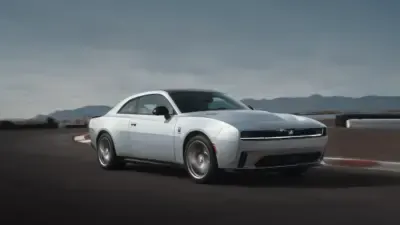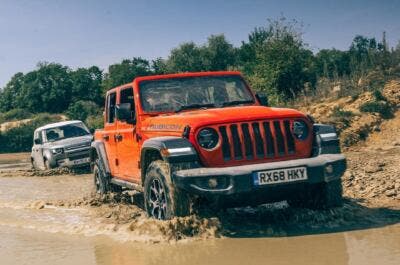
The collaboration between JLR and Stellantis could open an entirely new industrial phase for the Defender brand. After the non-binding memorandum of understanding announced in May, the two groups are exploring possible synergies in the United States, with a particular focus on product development and production capacity in the North American market. This comes in a context shaped by tariffs, logistics costs and trade tensions, which are making the import of premium vehicles in significant volumes increasingly difficult to sustain.
Stellantis may help JLR bring Defender production to the United States
The central issue concerns JLR’s industrial presence in the United States, which is currently completely absent when it comes to flagship models such as the Defender and Range Rover. Assembling vehicles directly on American soil could become a strategic solution to protect margins and pricing, and this is where Stellantis enters the picture. The group led by Antonio Filosa has an established industrial network in North America and could make part of its production capacity available, turning the collaboration into something that goes beyond a simple technology exchange and extends to the shared use of plants.
For JLR, the Defender is one of the most important models in the range, with strong potential in the United States, especially among customers interested in premium SUVs, off-road vehicles and models with a highly recognisable visual identity. Local production would allow the Defender to move even closer to the American market, reducing exposure to import costs and strengthening its commercial competitiveness in a segment where competition is already very intense.
For Stellantis, on the other hand, the agreement could become a way to make better use of plants and industrial expertise already present in the US. At a time when many factories are dealing with variable volumes and strategies still being redefined, opening its production network to external partners would represent an interesting economic lever, capable of generating added value even beyond its own brand portfolio.
However, the agreement remains at a completely preliminary stage. The memorandum signed by the two parties is non-binding and does not yet include definitive decisions on models, plants or timing. JLR and Stellantis have identified possible areas of cooperation ranging from product development to technologies, but any operational commitments will require subsequent agreements and dedicated negotiations.
If the project moves forward, a Defender assembled in the United States through the Stellantis network would still mark a historic step for a British off-road icon. At the same time, it would confirm the rise of an increasingly pragmatic industry, where cross-brand alliances, shared production capacity and direct access to key markets now matter as much as the historical identity of individual manufacturers. JLR is looking to the US for growth, while Stellantis could turn its American industrial presence into an advantage extended to other carmakers as well.