

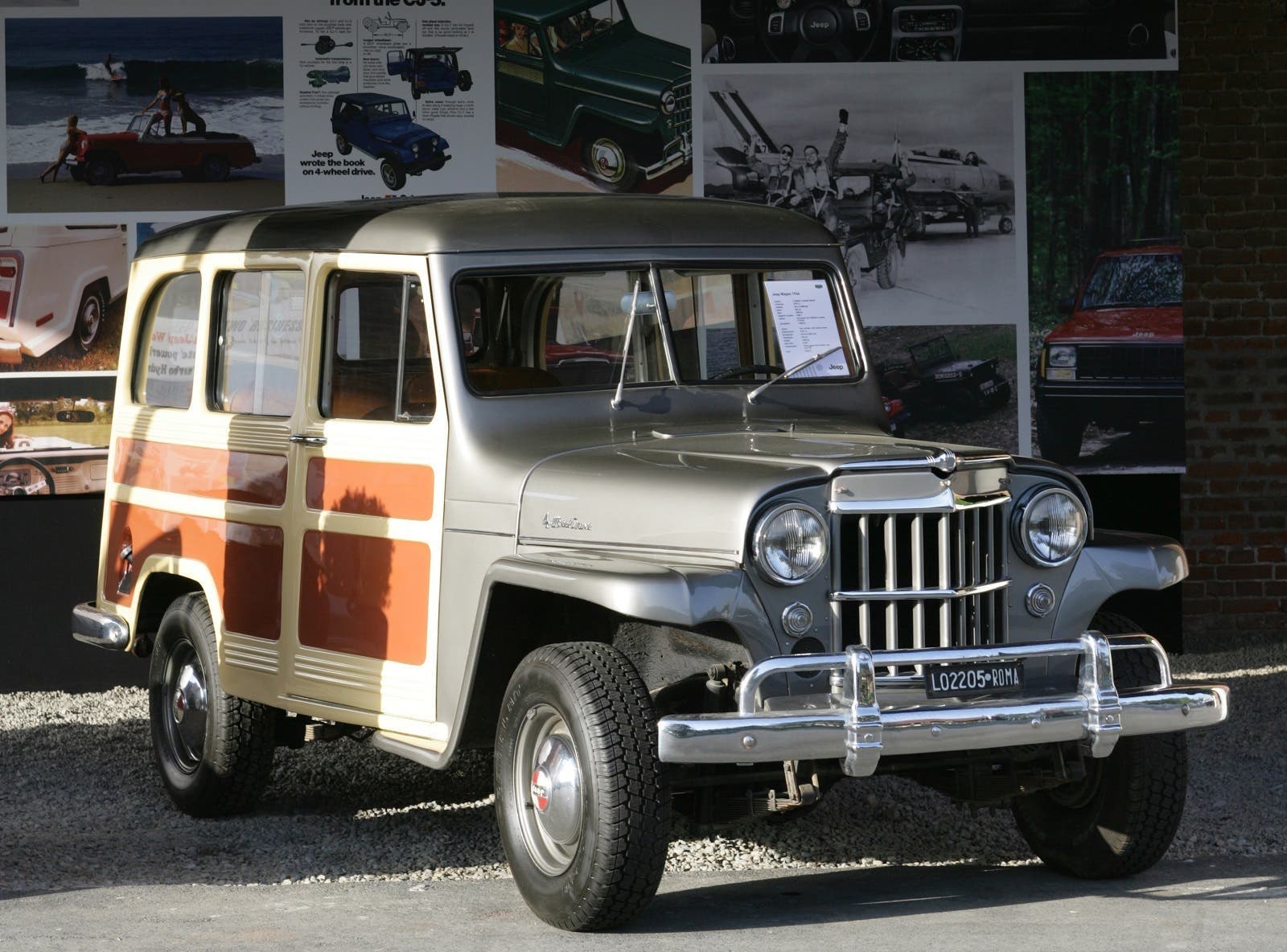
The introduction of four-wheel drive in 1949 transformed the Jeep Station Wagon from a practical American family car into a vehicle capable of tackling snow, mud, and unpaved roads. It combined passenger and cargo space with the durability required for work and a level of all-terrain capability rarely found in station wagons at the time.
1946 Jeep Station Wagon laid the foundations for modern SUVs
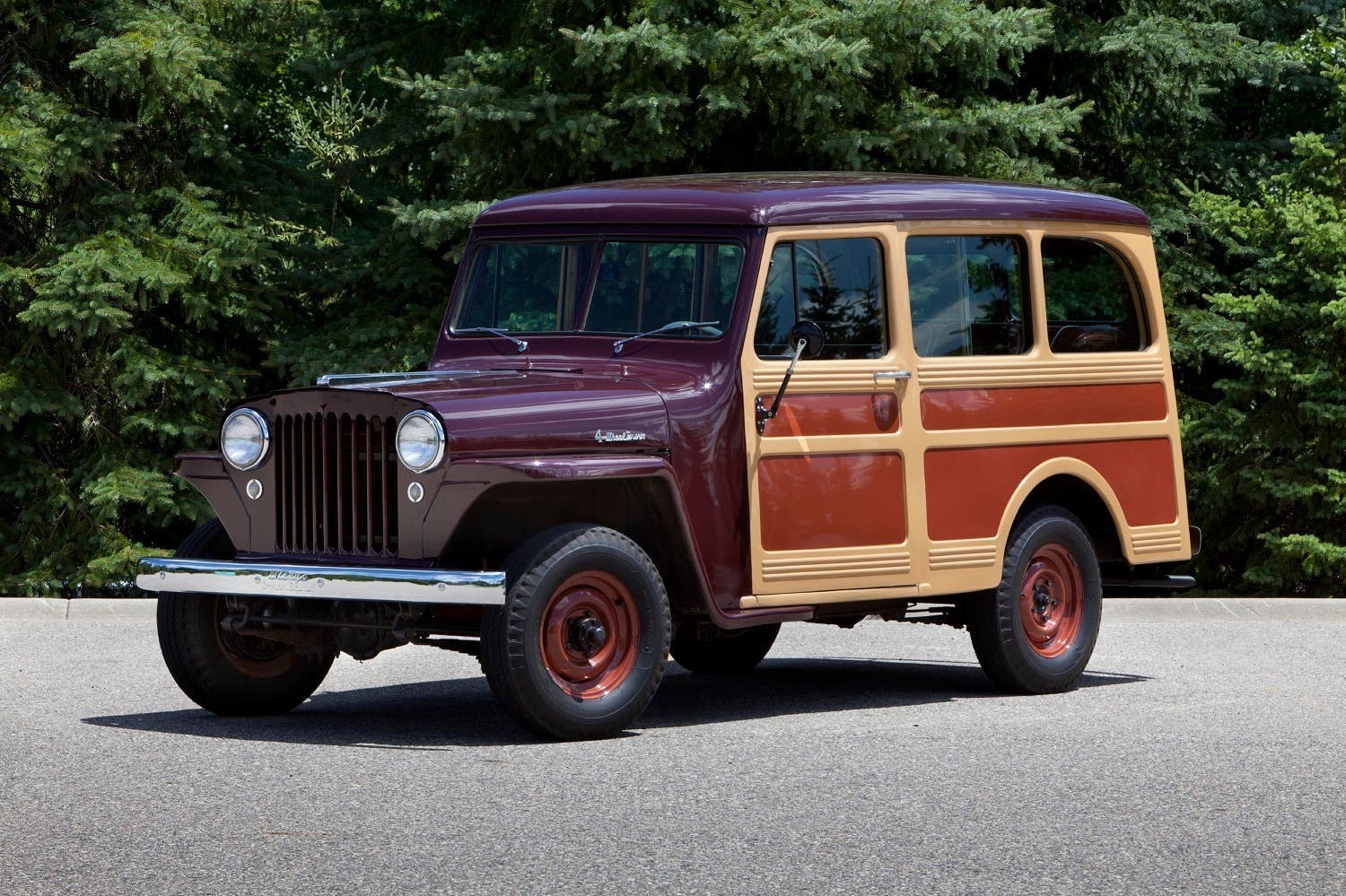
The model had debuted three years earlier, when Jeep wanted to transfer the experience gained during World War II to a civilian vehicle. The 1946 Station Wagon did not simply adapt military technology, as it needed to meet the everyday needs of families while remaining affordable enough for large-scale production.
Jeep entrusted the project to Brooks Stevens, who followed a pragmatic approach focused on manufacturing costs. Instead of using the extensive wooden structures common among American family cars of the era, he created an all-steel body.
The so-called Woodies offered a distinctive and elegant appearance, but they required frequent maintenance, expensive manufacturing processes, and careful protection against material deterioration.
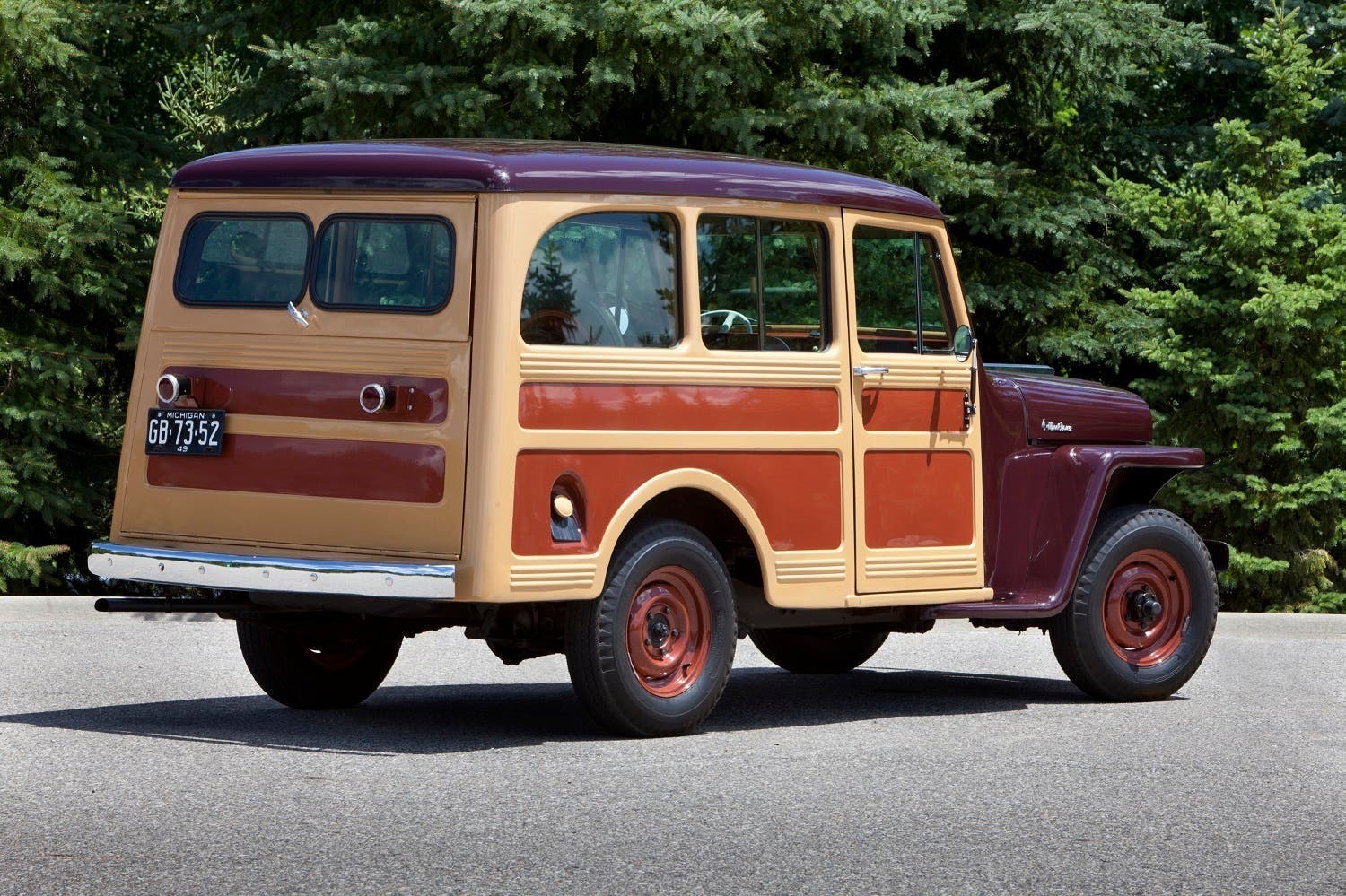
Stevens designed relatively simple surfaces that manufacturers could produce through uncomplicated stamping methods. Some panels could use equipment similar to machinery already employed in the appliance industry, reducing investment and simplifying mass production. Steel also improved body strength and made repairs easier.
Jeep still avoided moving too far from contemporary customer tastes. Two-tone paintwork along the sides recreated the visual divisions associated with traditional wood-bodied station wagons, preserving part of their identity without inheriting their practical disadvantages.
The regular shapes and lack of unnecessary decoration reflected the vehicle’s purpose, which prioritized cargo capacity, accessibility, and durability.
The arrival of four-wheel drive in 1949 greatly expanded its range of uses. The Station Wagon could serve as an ordinary family vehicle while also reaching terrain inaccessible to most conventional cars. This combination brought it close to the formula that would drive the SUV market decades later.
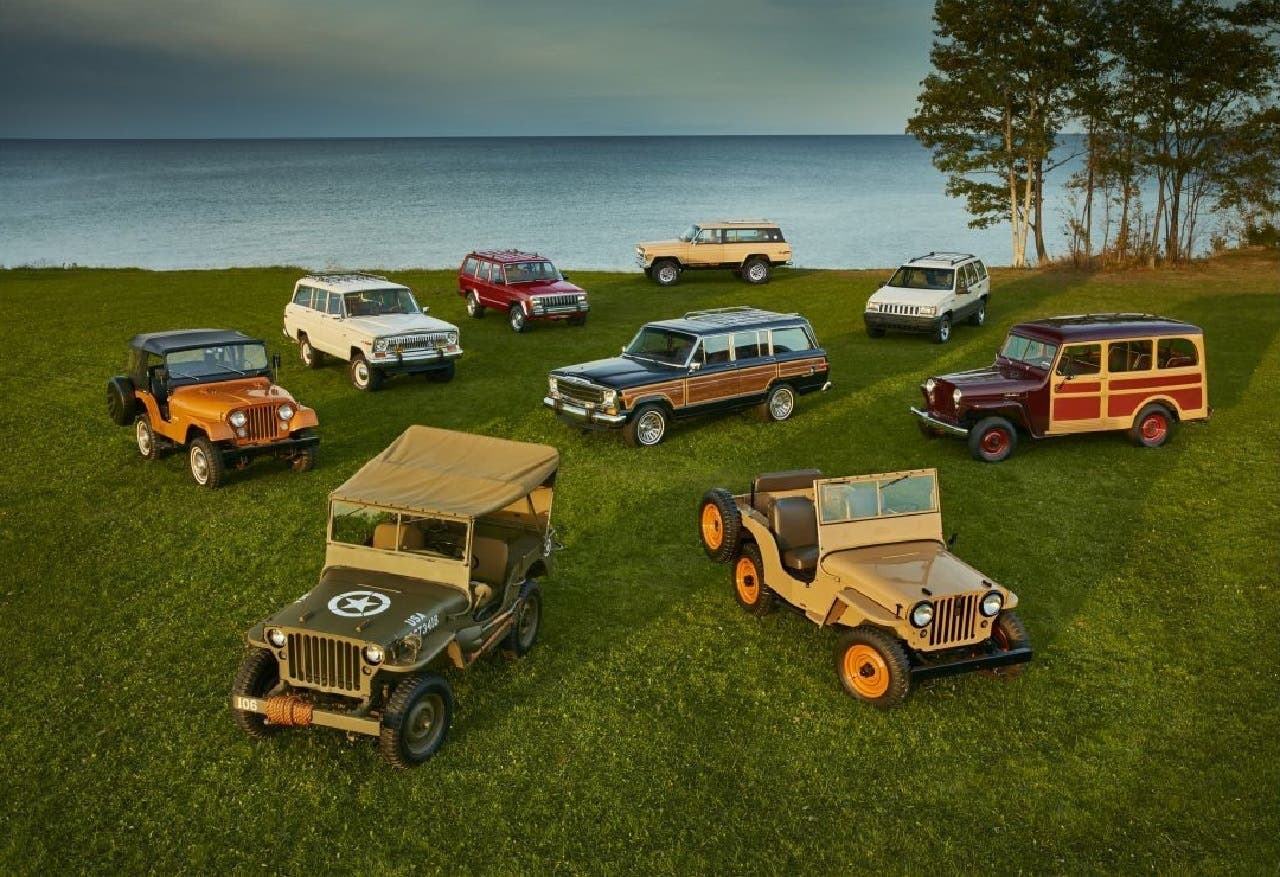
Production continued until 1964 and exceeded 300,000 units. Its long commercial life showed that durability and versatility could appeal beyond strictly professional or military vehicles, offering a credible alternative to traditional station wagons.
Modern models such as the Jeep Avenger and Compass do not directly copy the Station Wagon’s styling or technical solutions. However, they still follow the same basic idea of a vehicle suited to everyday life while retaining the ability to travel beyond urban roads.
The 1946 model’s most important contribution therefore lies in the formula it established. Long before the term SUV became common, the Jeep Station Wagon combined passenger space, practicality, and the ability to handle difficult terrain in a single vehicle.