

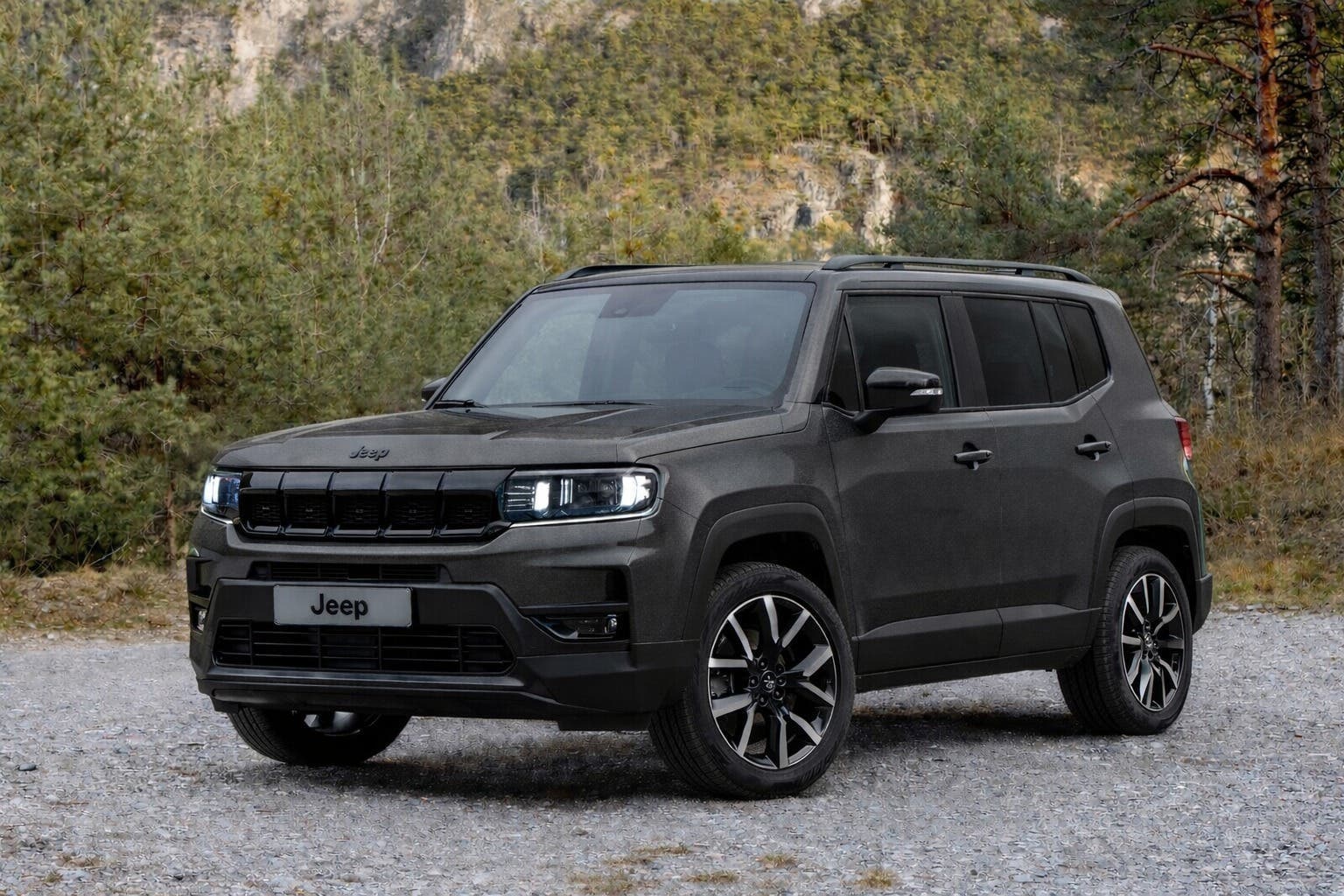
Jeep is preparing a deep renewal of the three models that built its dominant presence in the Brazilian market, with the Renegade, Compass and Commander set to move away from the current Small Wide platform. Introduced in 2015 with the first Renegade, the architecture is now considered outdated compared with the growing demands for efficiency, connectivity and driver-assistance technologies in the South American market.
Jeep plans major changes for Renegade, Compass and Commander in the Brazilian market
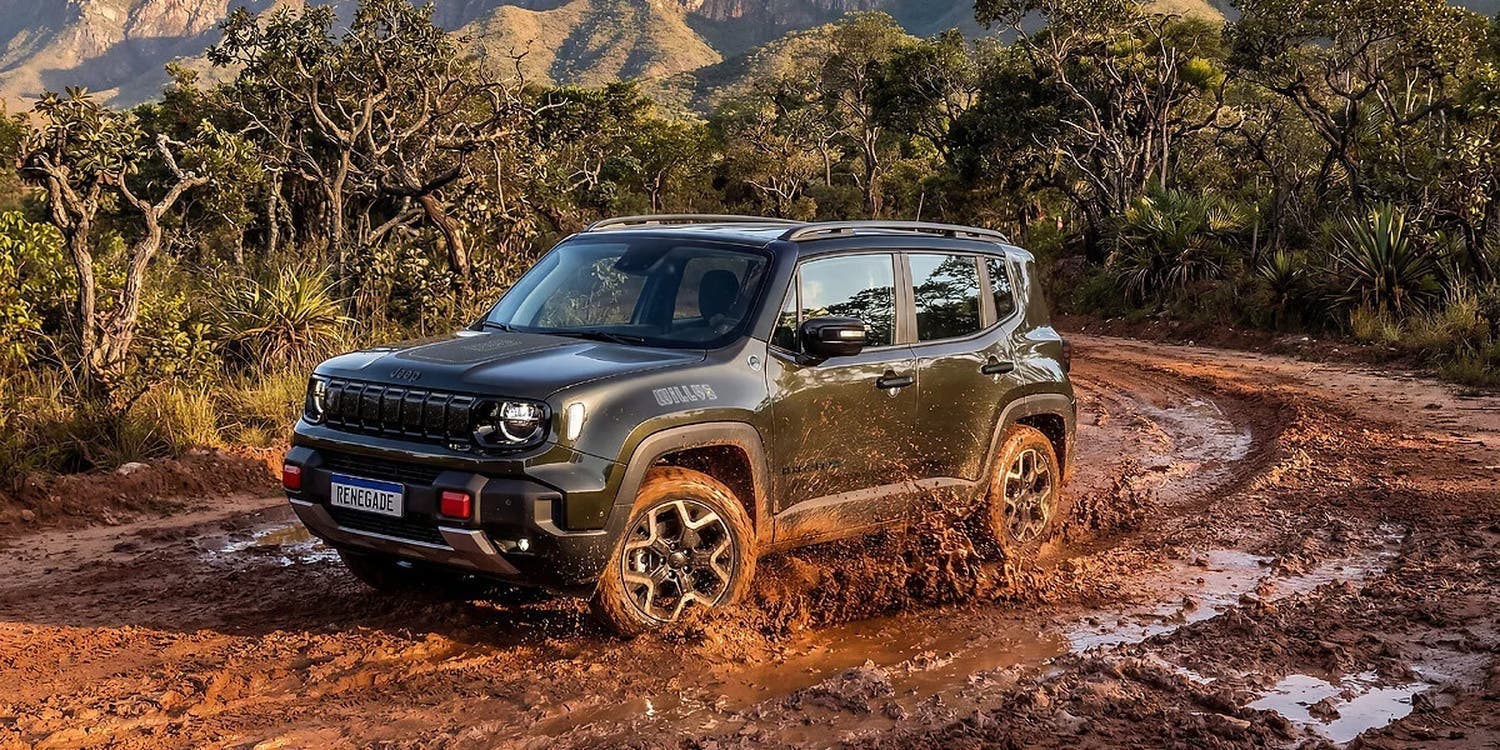
The strategic plan announced by Stellantis on May 21 places South America at the center of a new industrial phase, and the renewal of Jeep’s lineup represents one of the most significant projects planned for the region.
The transition to the STLA One platform does not appear immediate for the three SUVs, and Stellantis could instead adopt STLA Medium in the short term. This is the same architecture already used by the new European Jeep Compass and capable of supporting multiple electrification solutions.
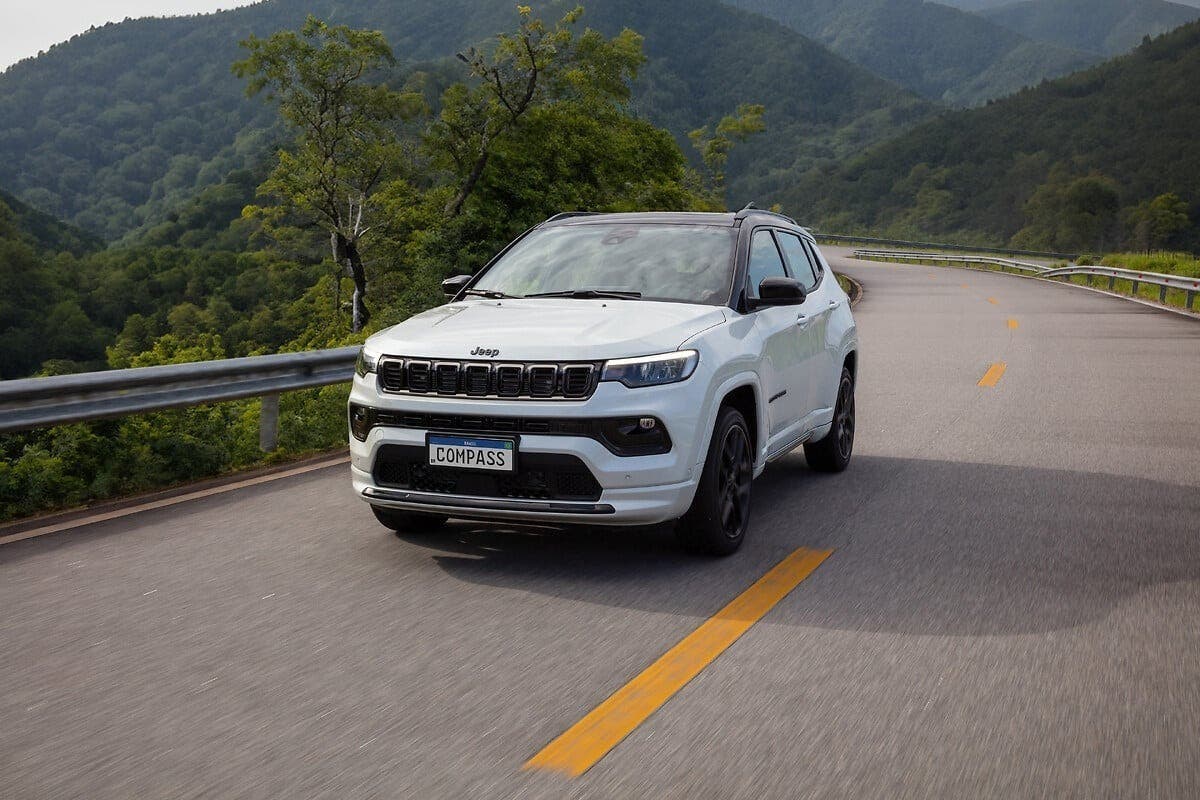
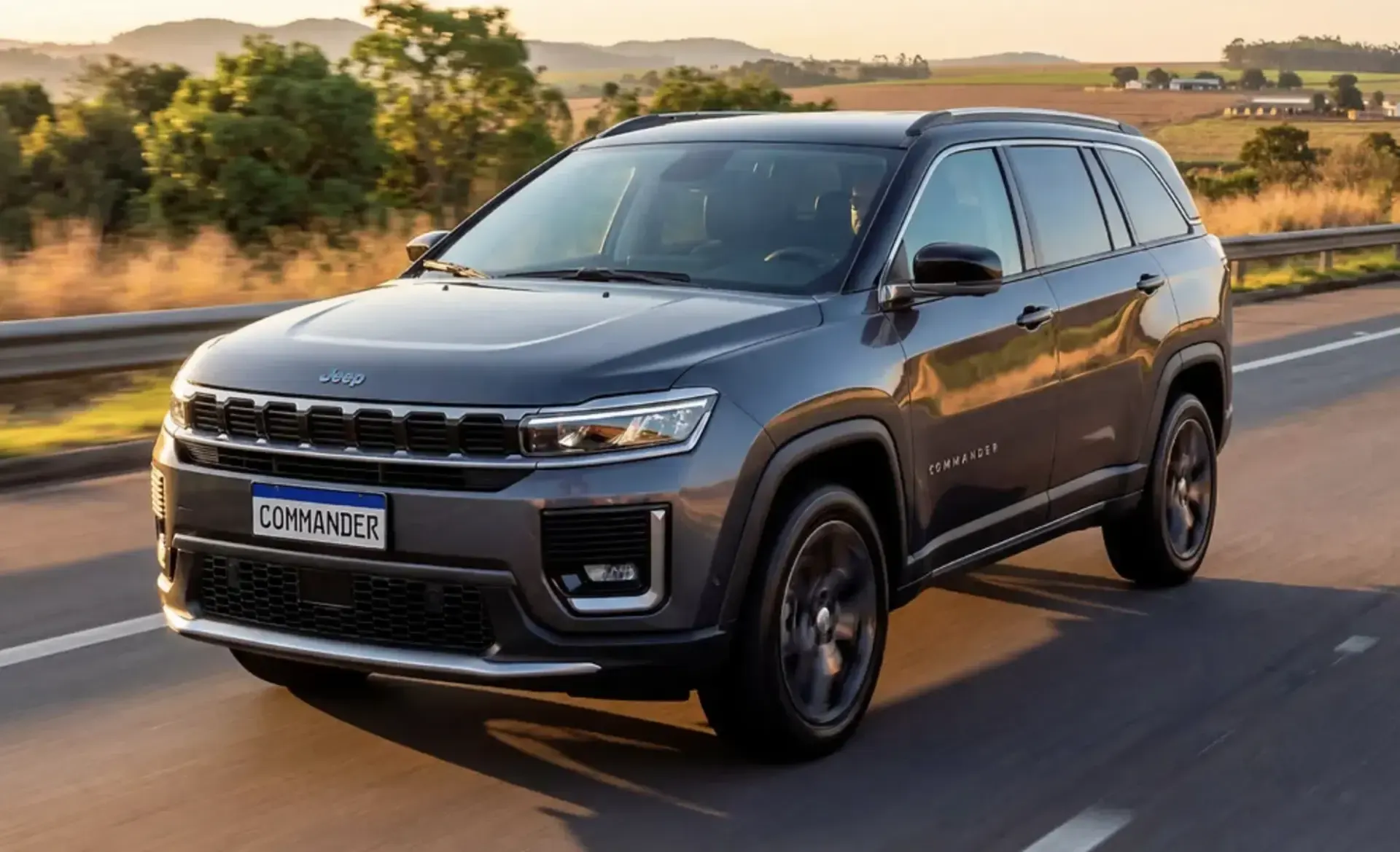
For the Compass and Commander in particular, the adoption of this technical base would represent a major step forward in comfort, active safety, onboard technology and digital systems, strengthening the role both models already play in the upper-middle segment of the Brazilian market.
A parallel path will involve the Jeep Avenger, already developed on the Smart Car platform. Production is expected to take place at the Porto Real plant in the state of Rio de Janeiro rather than in Goiana, Pernambuco, where the brand’s other SUVs will continue to be built.
The powertrain strategy reflects the specific characteristics of the South American market, where full electrification and plug-in hybrids still face obstacles linked to infrastructure, costs and usage habits.
Stellantis is expected to focus on mild-hybrid and full-hybrid solutions. The 1.0 T200 flex-fuel engine paired with a mild-hybrid system could power smaller models such as the Avenger and the future Renegade, while the 1.3 T270 appears more suitable for the Compass and Commander, especially when combined with electrified components.
The possibility of a full-hybrid technology derived from systems already used by the group in Europe should not be ruled out either. Such a solution would make Jeep SUVs more competitive in a segment where rivals continue to update their lineups with better efficiency and more advanced technology.