

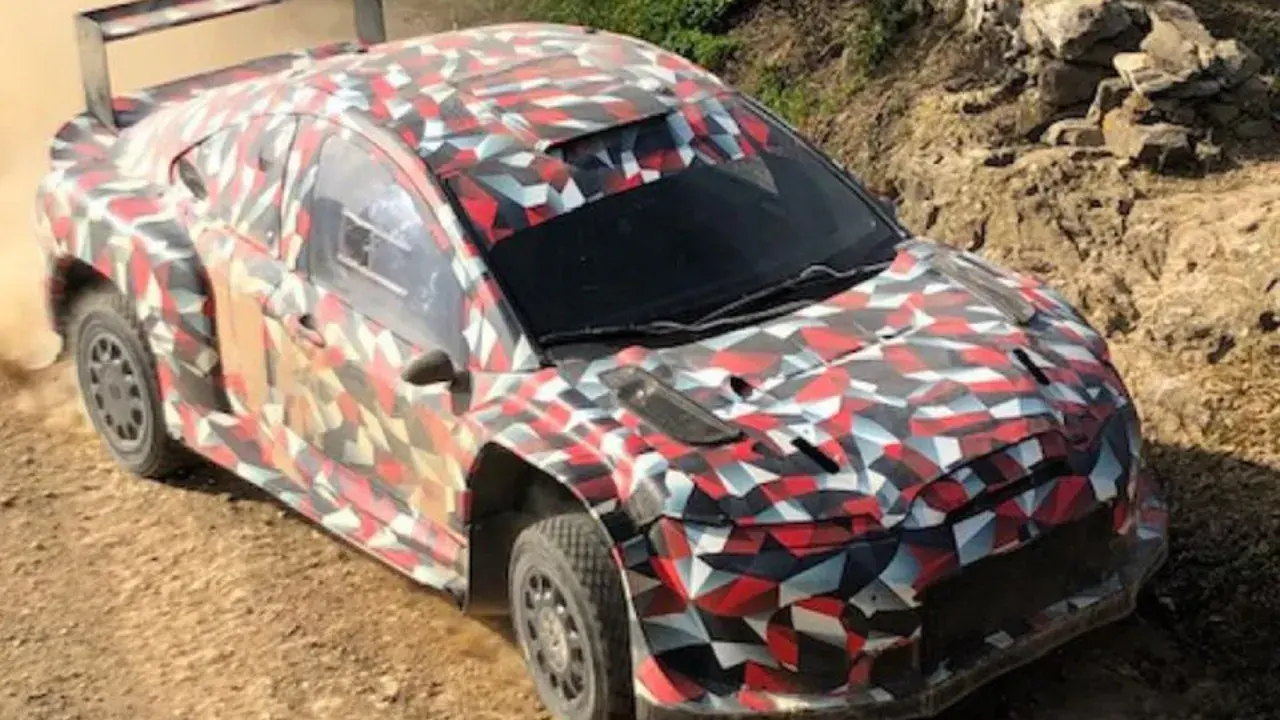
The World Rally Championship has lost its compass, its soul, and apparently, its “guest list”. Yet, in the middle of this anemic mess, there is one giant that refuses to lose its historical memory, Toyota. While the rest of the automotive world is busy hiding in electrified lounges and corporate spreadsheets, the Japanese have decided to get their hands dirty again. They are finally retiring the glorious Yaris to bring back a name that gives goosebumps to anyone who breathed dust in the 90s, the Toyota Celica.
Recent “spy photos” from tests in Portugal aren’t fooling anyone. Despite the camouflage, here is that unmistakable three-box rear end is a signature move. It’s a return to form that smells like nostalgia but aims directly at the wallets of a new generation of fans.
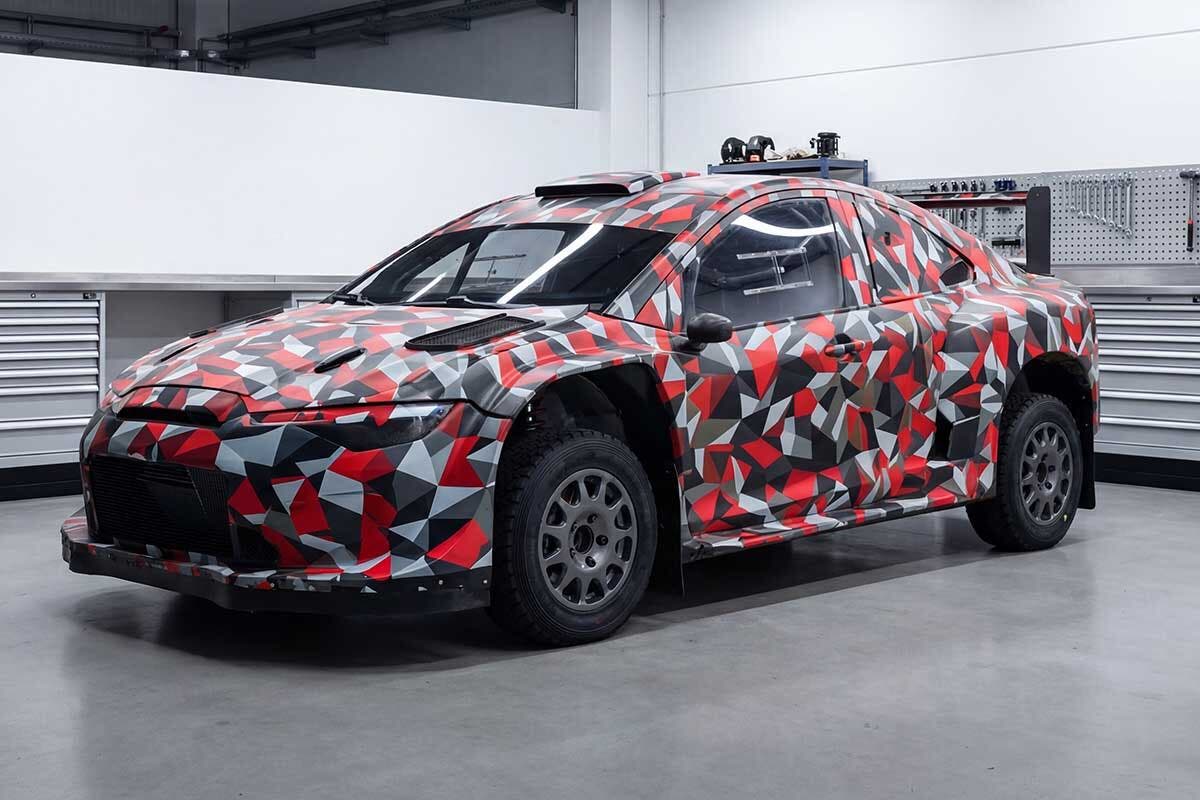
Expected to hit the market and the dirt between 2026 and 2027, the new Celica will take the baton from the Yaris, which has been holding up the entire WRC circus since 2017. But don’t get too misty-eyed just yet. Under the skin, the music is changing, and it sounds a bit like a budget rehearsal.
The new technical regulations kicking in on January 1, 2027, are the desperate offspring of necessity. To stop the sport from flatlining, the FIA is slashing costs. The sophisticated and outrageously expensive Rally1 machines are being swapped for tube-frame chassis. We’re talking about 300-horsepower cars with components scavenged from current Rally2 tech and a price cap of 345,000 euros. In the elite world of motorsport, that’s practically a Black Friday special.
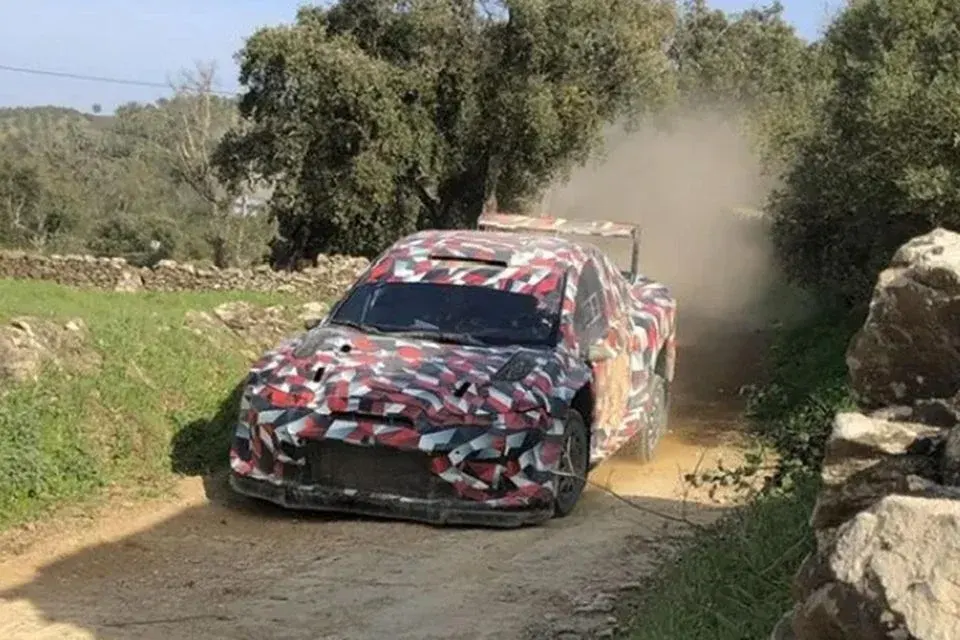
Currently, Toyota stands alone as the only manufacturer to confirm a total commitment, flanked only by the privateer Project Rally One. It’s a chilling signal for a competition that seems more interested in “green” PR than actual racing. Toyota is charging ahead, hoping the Celica brand, which dominated in ’93 and ’94, will cement its legacy.