

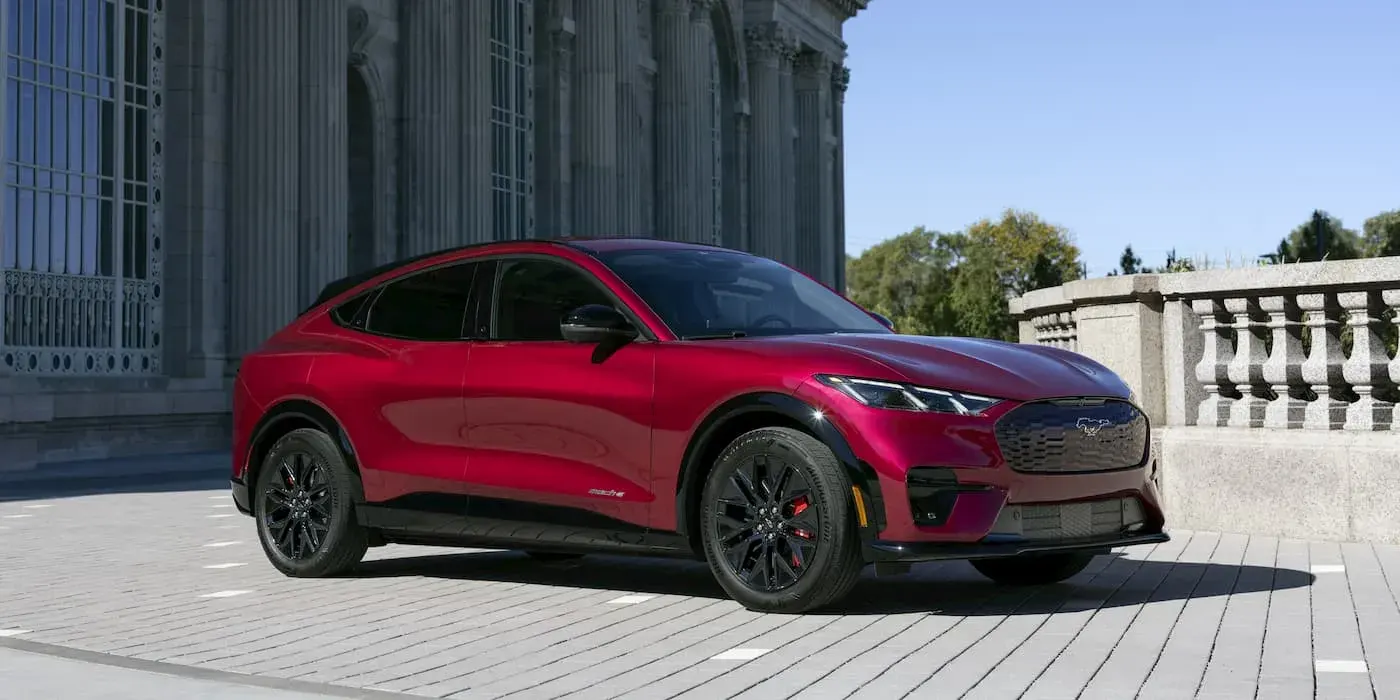
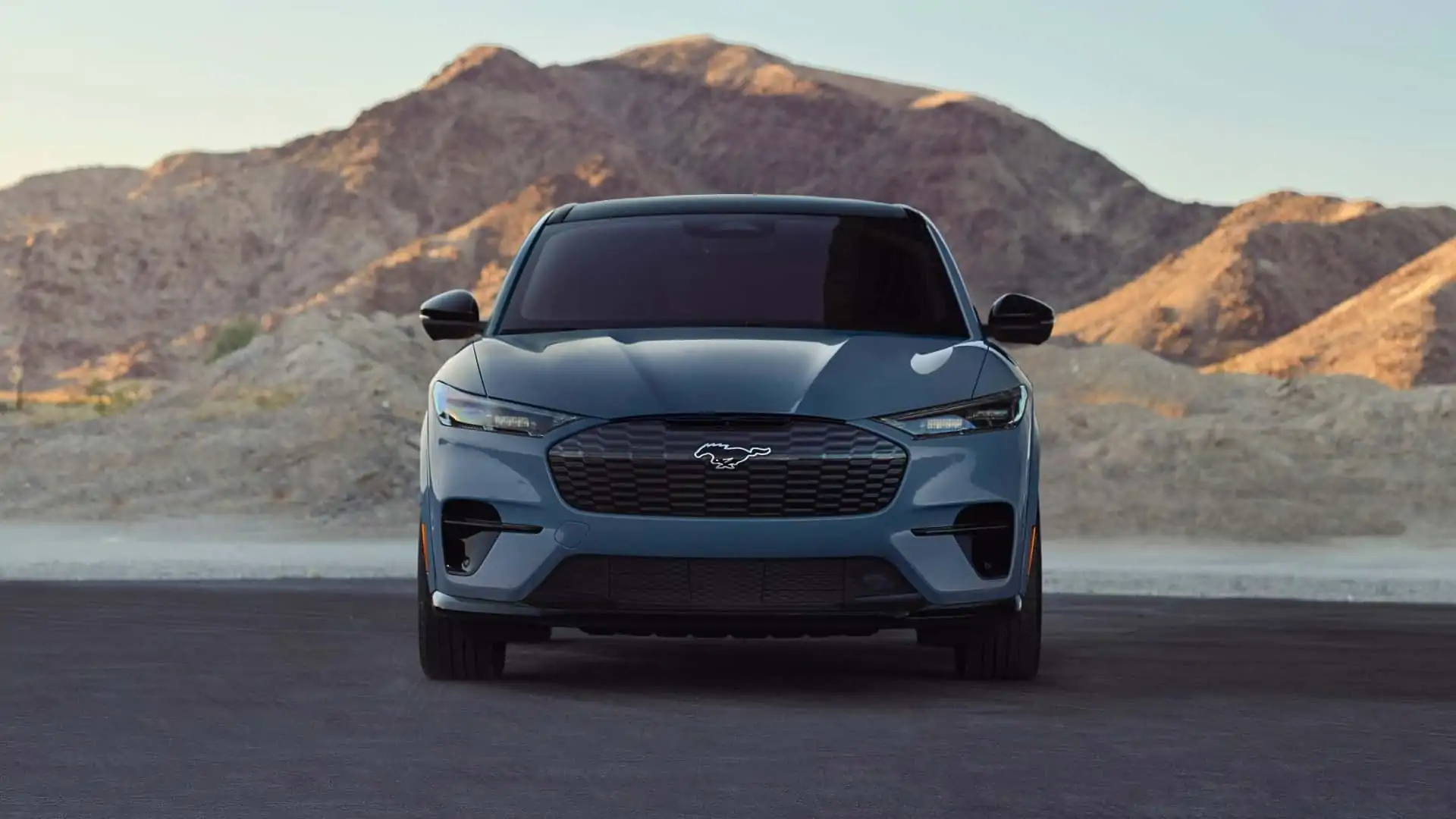
Jim Farley, CEO of Ford, told Car and Driver that he realized the company had taken the wrong approach to electric vehicles when Ford engineers tore down a Tesla to study it in detail. Together with Doug Field, a former Apple executive who had also worked with Elon Musk, Farley compared the internal architecture of a Tesla Model 3 with that of the Ford Mustang Mach-E electric SUV and found differences he described as “shocking.”
Ford realized it was doing EVs wrong after studying a Tesla
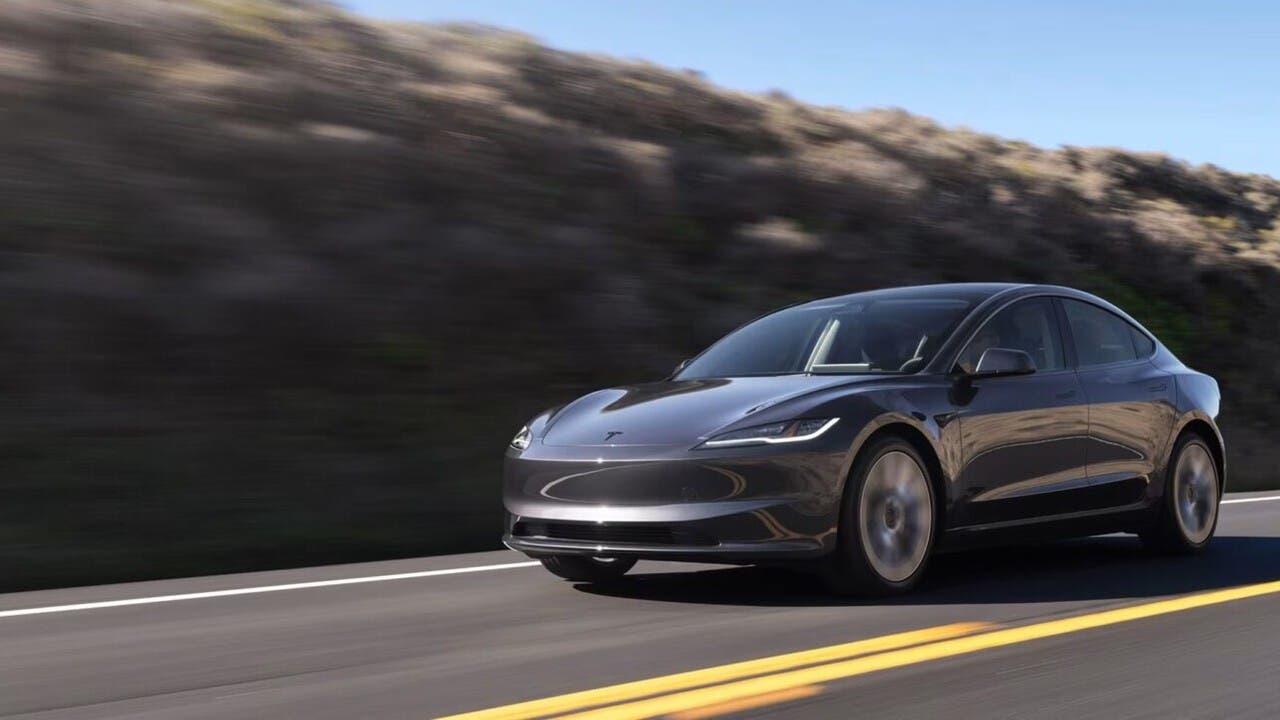
The wiring harness inside the Ford weighed about 66 pounds more and stretched for over one mile longer than the one used in the Tesla. The gap reflected two engineering philosophies that had drifted far apart. On one side stood an industry used to assembling vehicles by combining components sourced from external suppliers. On the other was a company that designed the vehicle around an optimized battery pack and a more compact, integrated electronic architecture.
For years these limitations stayed in the background. During the pandemic and the semiconductor shortage that followed, the lack of available vehicles created an unusual market where nearly every car sold quickly, often at prices far above normal levels. Detroit automakers posted record profits during that period, strengthening the belief that high margins would continue even after supply normalized. With more than a century of experience, massive factories and established production volumes, the industry assumed it could manage the transition to electric vehicles on its own terms.
The wake-up call came from overseas. During the toughest months of the pandemic, many Western companies lost direct contact with developments in Asia. When Farley and Ford vice chairman John Lawler returned to China, they discovered an auto industry that had evolved at a pace difficult to imagine from Detroit. The rapid growth of the Chinese EV sector was not sudden, companies such as BYD had spent more than a decade investing in batteries, platforms and supply chains, but for manufacturers focused primarily on combustion engines, the contrast was striking.
That analysis helped shape Ford’s new EV platform. The first vehicle expected to use it will be a pickup priced around $30,000. For this model, Ford plans to adopt a manufacturing strategy inspired by Tesla, with the goal of reducing complexity and lowering costs. The company has already confirmed that the new vehicle will feature wiring about three-quarters of a mile shorter than the system used in the Mustang Mach-E, showing that the lessons learned from the Tesla teardown have already influenced Ford’s next generation of electric vehicles.