

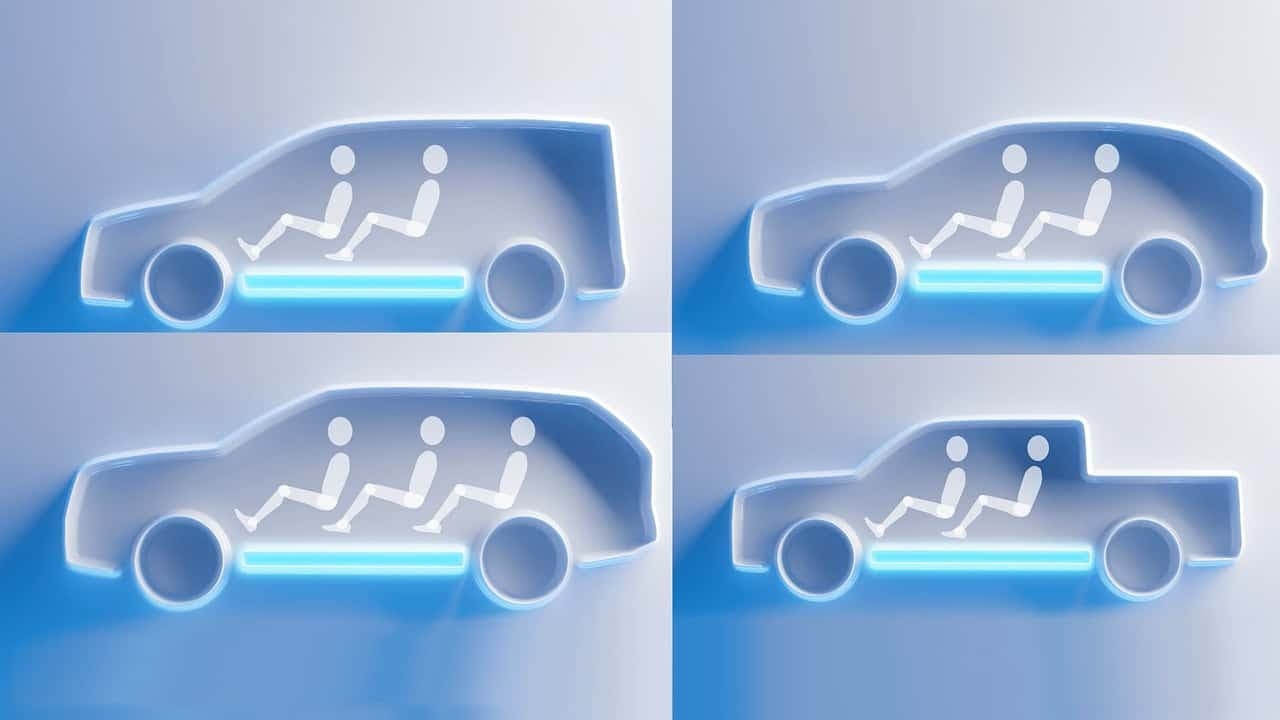
Ford will not stop with the $30,000 electric pickup. The plan is much broader and includes the arrival by the end of the decade of a range of affordable vehicles with starting prices below $40,000, including SUVs, sedans, pickups and vans, all available with multiple powertrains, not just electric. At the center of this strategy stands a completely new architecture known as the Universal EV platform, or UEV, which CEO Jim Farley has described as one of the most important projects in the company’s recent history.
Ford plans affordable EV lineup on new UEV platform beyond $30k pickup
The first model to use it will be, as already anticipated, a midsize four-door electric pickup expected in 2027. After that, Ford plans two SUVs, one with two rows and one with three rows of seats, a pair of sedans and a van. The return of a traditional four-door sedan would mark a major shift for Ford, which since 2020, after the Fusion left the market, has sold only SUVs, pickups, vans and the Mustang in the United States. The three-row electric SUV, whose project Ford canceled in 2024, may also return, although its powertrain remains uncertain.
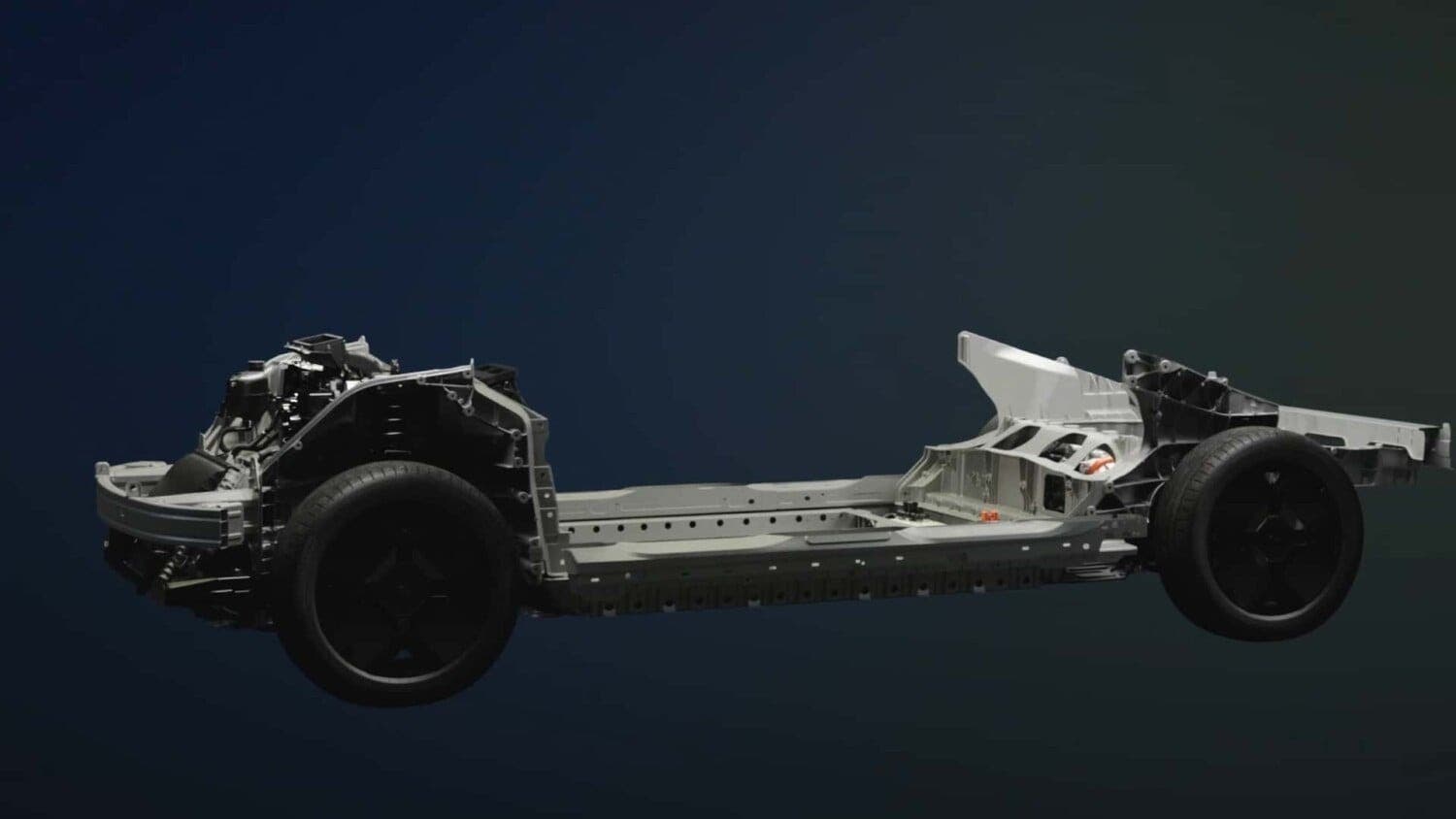
The UEV platform is built around the idea of simplifying and cutting costs wherever possible, following a strategy similar to Tesla’s. Engineers reduced the number of components by 20 percent compared to the industry average, lowered fasteners by 25 percent and shortened assembly time by 15 percent. For the first time, Ford will use large structural aluminum castings, reducing the main chassis elements to just two compared with the 146 parts required today for the Maverick. Ford states that production savings will translate directly into lower ownership costs, making the new pickup cheaper to run over time than a Tesla Model Y.
The batteries will use prismatic lithium-iron-phosphate chemistry without nickel or cobalt, which further reduces costs. Mounted under the floor, they become part of the vehicle’s structure and free up cabin space. The pickup will offer more interior room than the latest Toyota RAV4, even without counting the front trunk and rear bed.
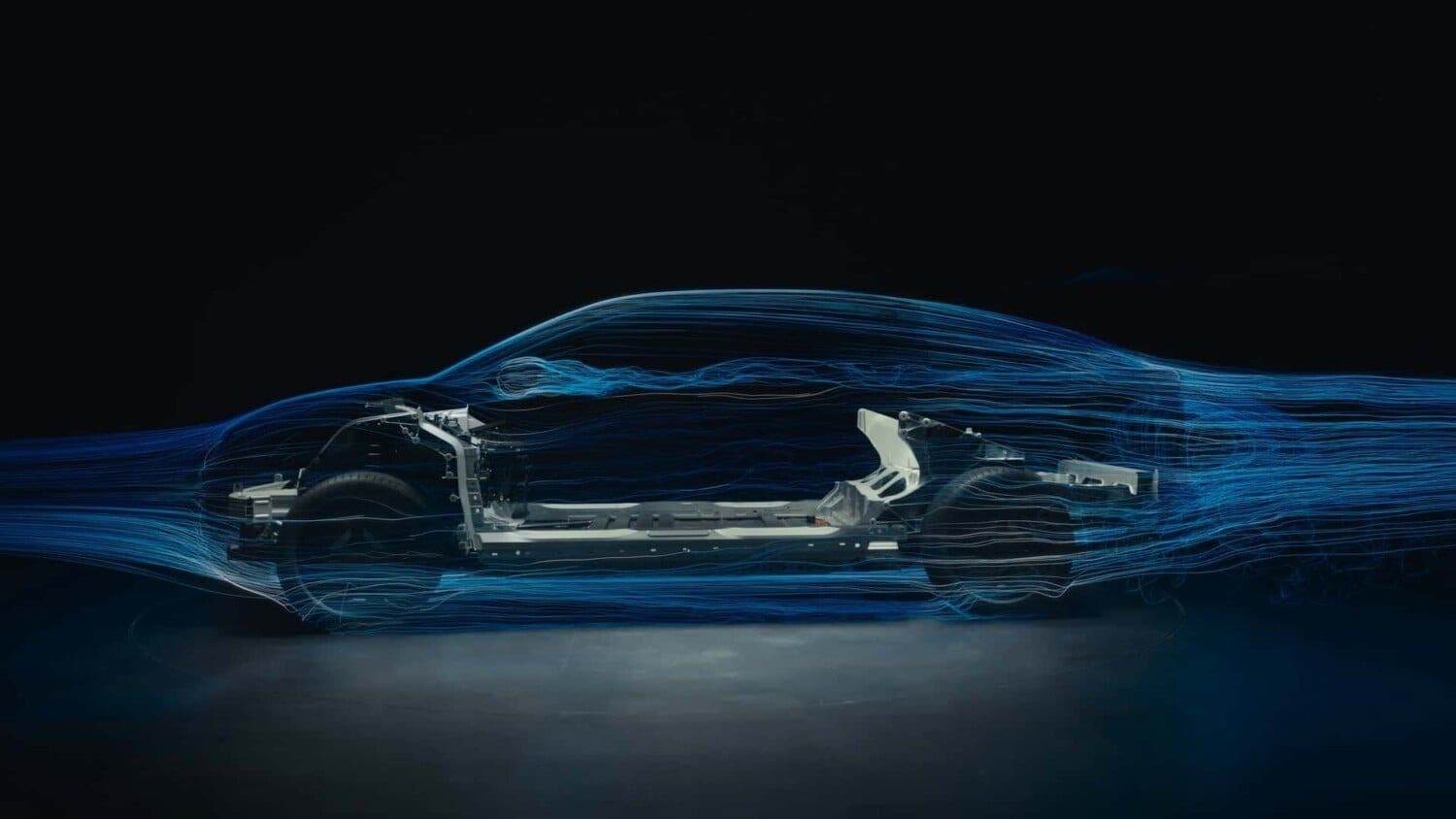
Ford has invested heavily in aerodynamics, assembling a team where more than half come from Formula 1 backgrounds. According to the company, the result is aerodynamic efficiency 15 percent higher than any pickup currently on sale.
In practical terms, with the same battery capacity this advantage delivers about 50 miles of additional range compared with the most efficient combustion pickup in the segment. Ford has not yet released official range figures, but thanks to efficiency improvements and optimized batteries, expectations point to at least 300 miles. Alan Clarke, former Tesla engineer and now head of advanced EV development at Ford, has suggested that many customers expect to go well beyond that threshold.