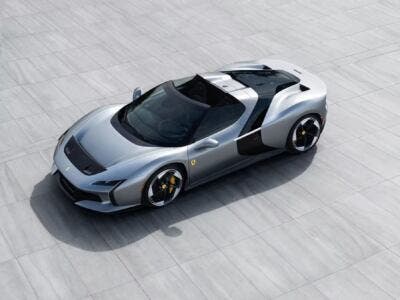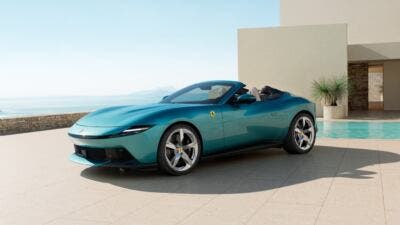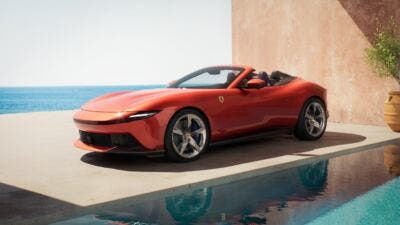
Ferrari has built a long tradition of special cars that represent the absolute peak of Maranello production. Today, three models embody that philosophy through deeply different architectures: the twin-turbo hybrid V6 of the F80, the plug-in hybrid V8 of the 849 Testarossa and the electrified V12 of the LaFerrari.
Ferrari’s ultimate V6, V8 and V12 hypercars compared
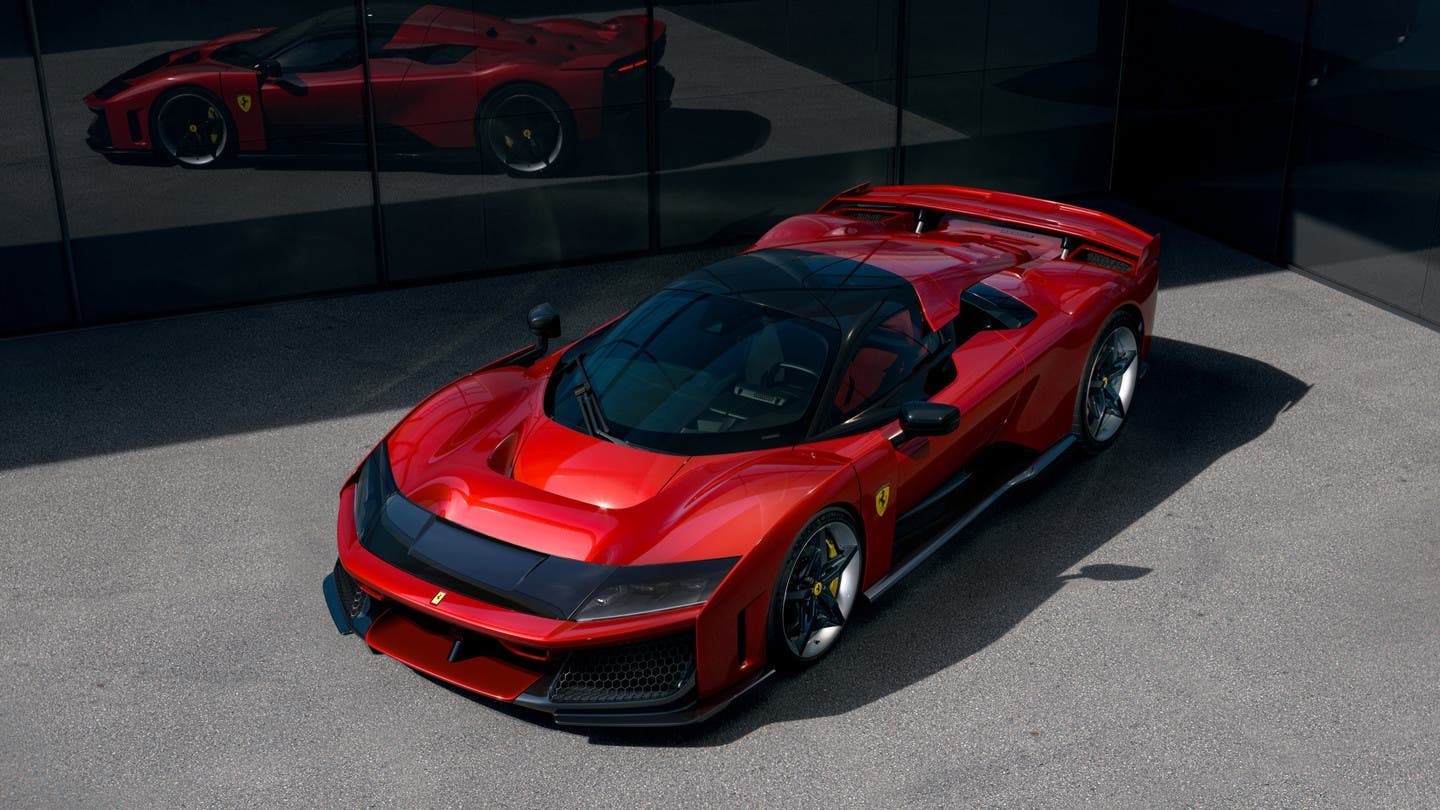
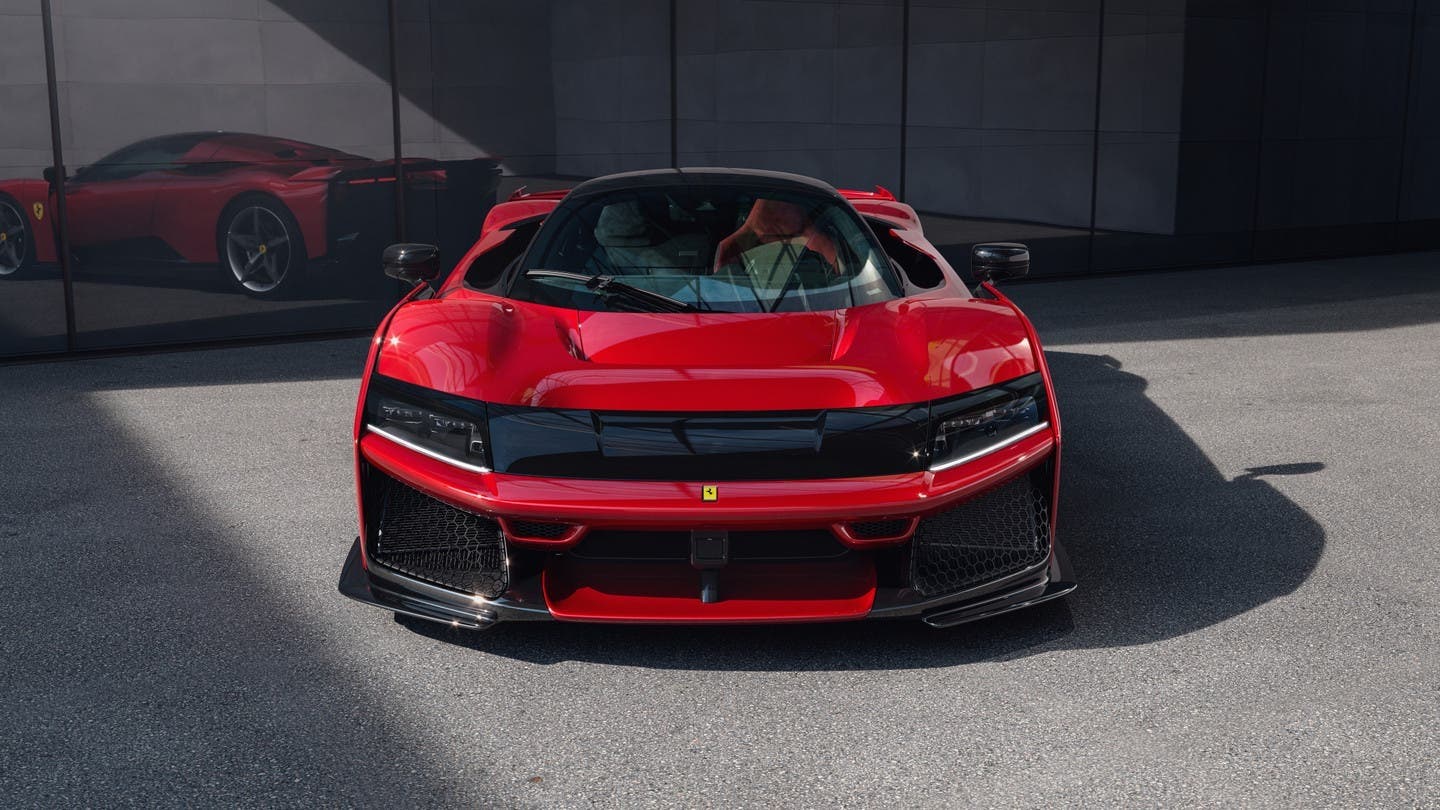
The F80 marks the most extreme point yet reached by a road-going Ferrari, with a combined output of 1,200 hp from a 900-hp twin-turbo 3.0-liter V6 and a hybrid system derived from the experience gained with the 499P endurance program at the 24 Hours of Le Mans.
The decision to move away from V8 and V12 engines in favor of a six-cylinder layout responds to needs linked to compactness, balance and integration with the electric system. The results include 0-62 mph in 2.1 seconds, 0-124 mph in 5.75 seconds and a top speed of around 217 mph.
The aerodynamics generate 2,315 pounds of downforce at 155 mph thanks to solutions such as the front S-Duct and active rear wing. A multi-material carbon and titanium chassis, an eight-speed dual-clutch F1 gearbox and Brembo brakes with long fibers complete a technical package that feels closer to a racing prototype than a conventional road car. All 799 planned units, priced at nearly $4.2 million, have already been assigned.
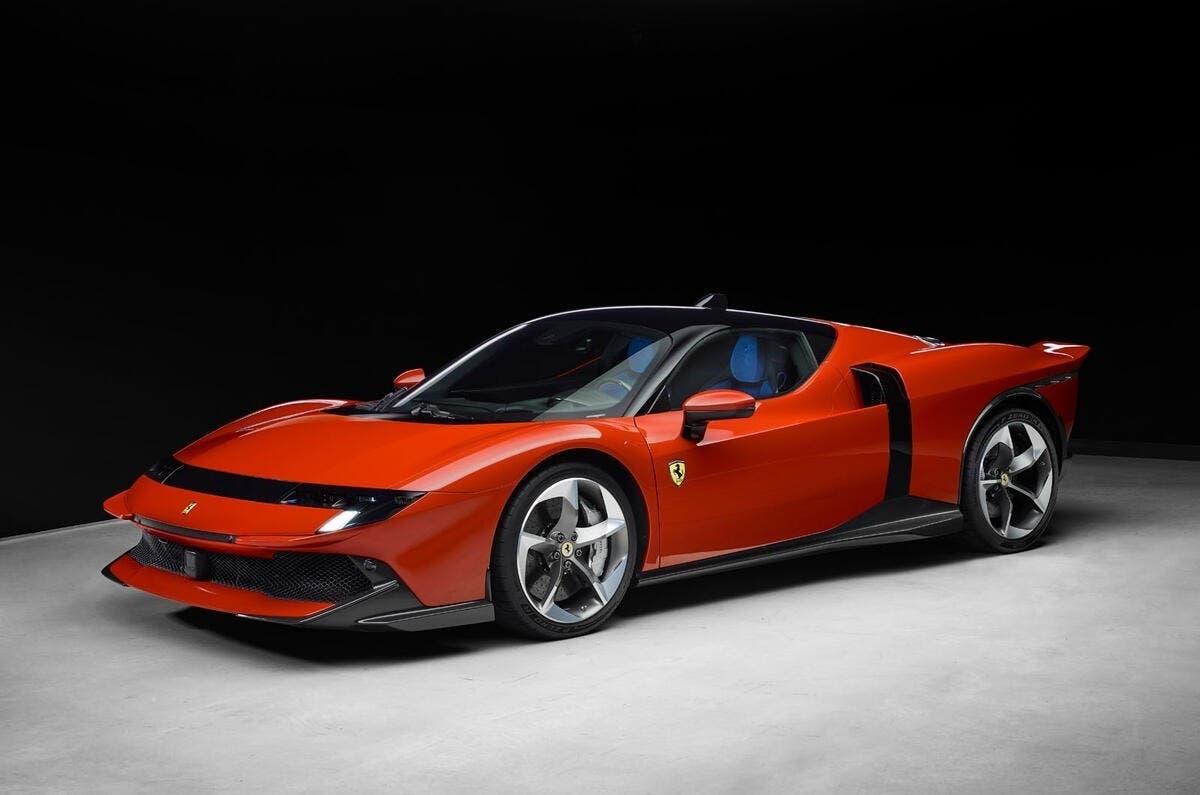
The 849 Testarossa inherits the role of the SF90 Stradale, bringing the plug-in hybrid 4.0-liter twin-turbo V8 to a combined output of 1,050 hp thanks to three electric motors. Performance stands at under 2.3 seconds from 0 to 62 mph and 6.35 seconds from 0 to 124 mph, with a top speed of more than 205 mph and Fiorano lap times very close to those of the SF90 XX Stradale.
However, its design has divided enthusiasts, especially because of the vertical black elements, the front-end reference to the Daytona and the decision to revive the Testarossa name. The cabin marks a step forward in ergonomics compared with some recent Ferraris and brings back physical controls after years of heavy digitalization.
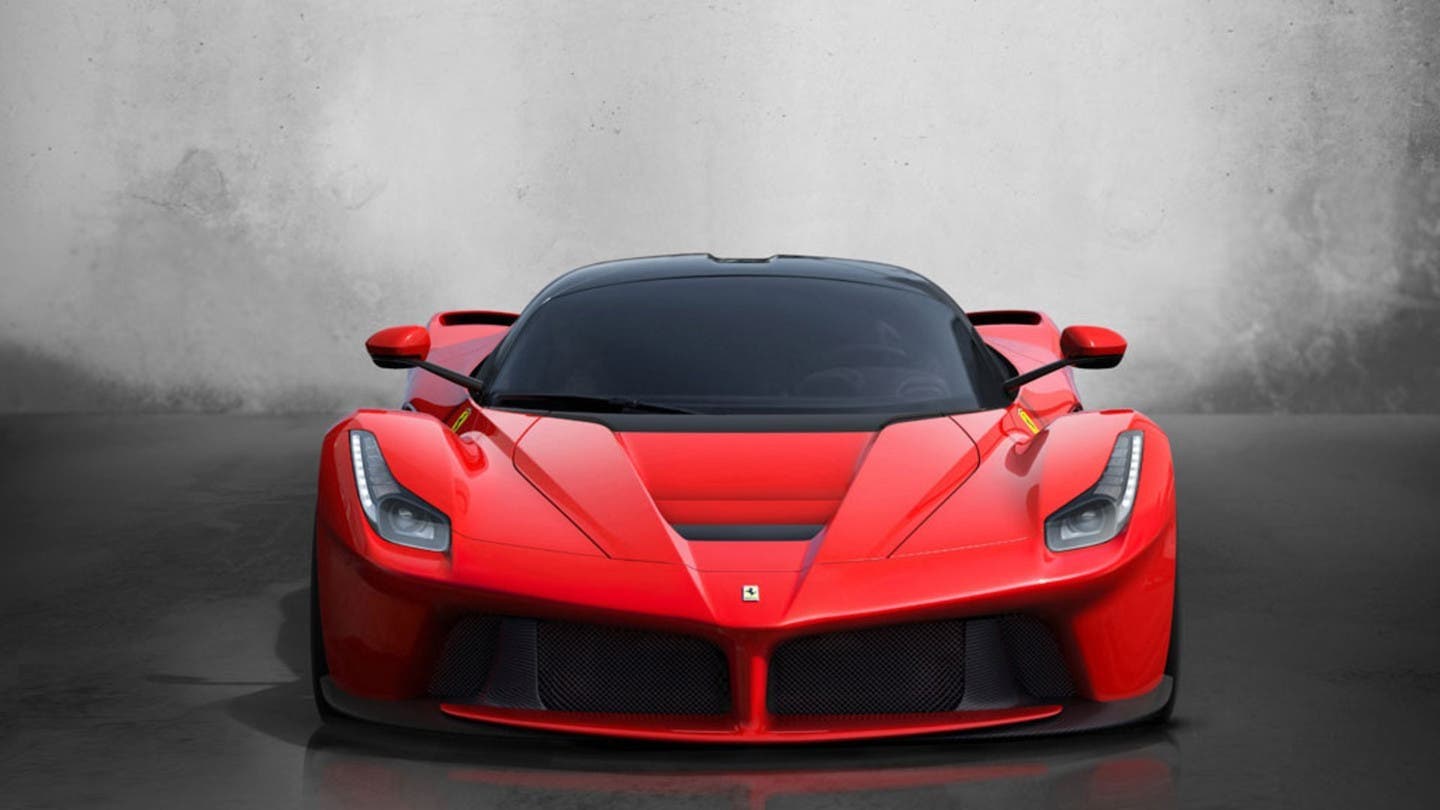
The LaFerrari, introduced in 2013, remains the symbol of Maranello’s first true series-production electrification. Its naturally aspirated 6.3-liter V12 reaches 9,000 rpm and produces 800 hp, supported by 163 electric hp from the Formula 1-derived HY-KERS system for a combined output of 963 hp.
Its 0-124 mph time of under seven seconds and top speed above 217 mph remain important benchmarks even today. However, the car’s real value lies above all in its combination of power delivery, response and a sound that only a naturally aspirated V12 can make truly unrepeatable.
The carbon fiber chassis, built using four different types of fiber, and the aggressive yet balanced design, free from excessive aerodynamic appendages, make it a project that has lost none of its relevance more than a decade later.