For about a decade, the idea of an Apple-branded car remained one of the most recurring fantasies in the dialogue between Silicon Valley and the automotive industry. The first rumours date back to 2014, when Cupertino, after Steve Jobs’ death, was looking for new areas of growth while Tesla was turning electric cars into a symbol of technological innovation and mass-market desirability. The project, known in the media as the Apple Car or iCar, reportedly continued in a more or less structured form until 2024, when the company decided to shut it down and move resources and talent towards generative artificial intelligence.
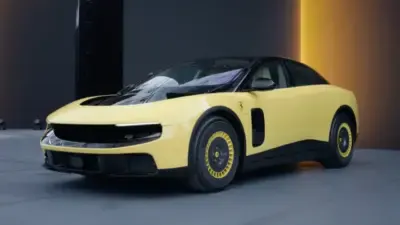
What if Apple had designed the Ferrari Luce?
According to reports, Apple’s initial ambition became one of the main obstacles to development. The company did not simply want to build an electric car. It wanted to create a fully autonomous vehicle capable of revolutionizing the relationship between users and mobility, applying to the automotive sector the same philosophy that had redefined smartphones, smartwatches and wireless headphones. After investments estimated at several billion dollars, that bet proved too complex to turn into reality within the timeframes and costs expected by management.
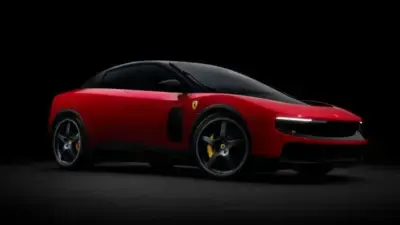
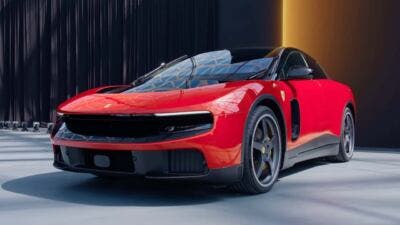
And yet, the Apple Car story may not have disappeared completely. It may have left an indirect trace in another electric debut from the premium automotive world. Ferrari has shown its first electric car, called Luce. The saloon divided the public and enthusiasts from the first images, mainly because of a design language far removed from the classic imagery of Maranello sports cars.
The detail that strengthens the parallel with Cupertino concerns the design studio involved in the project. Behind the Luce there is the contribution of LoveFrom, the studio founded by Jony Ive, former Chief Design Officer at Apple and the man behind the design of products such as the iPhone, iMac and Apple Watch. Ferrari and LoveFrom had already announced their collaboration some time ago, and the result seems to confirm an aesthetic approach shaped as much by the Apple school as by the visual language Ive has developed over the past 20 years.
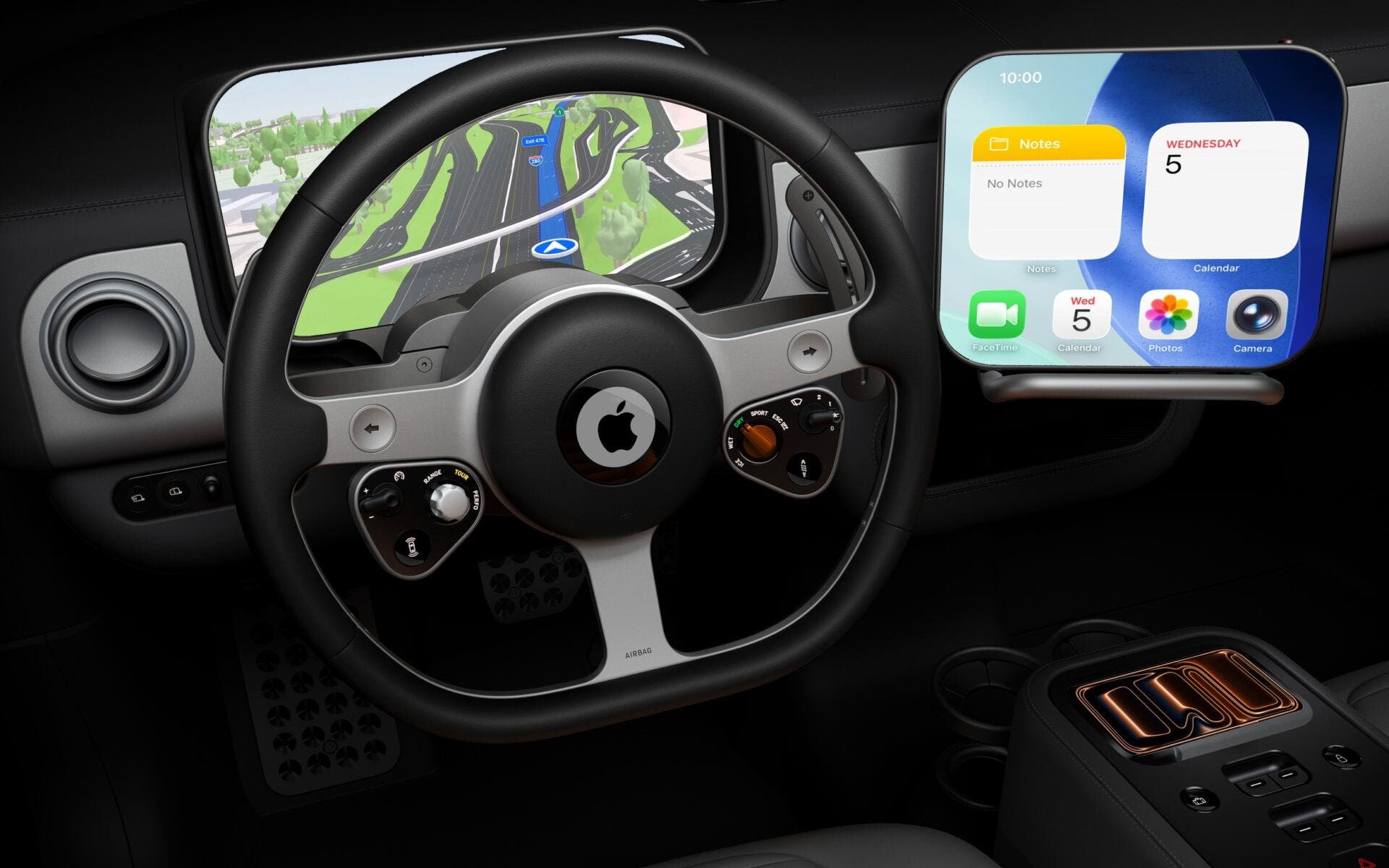
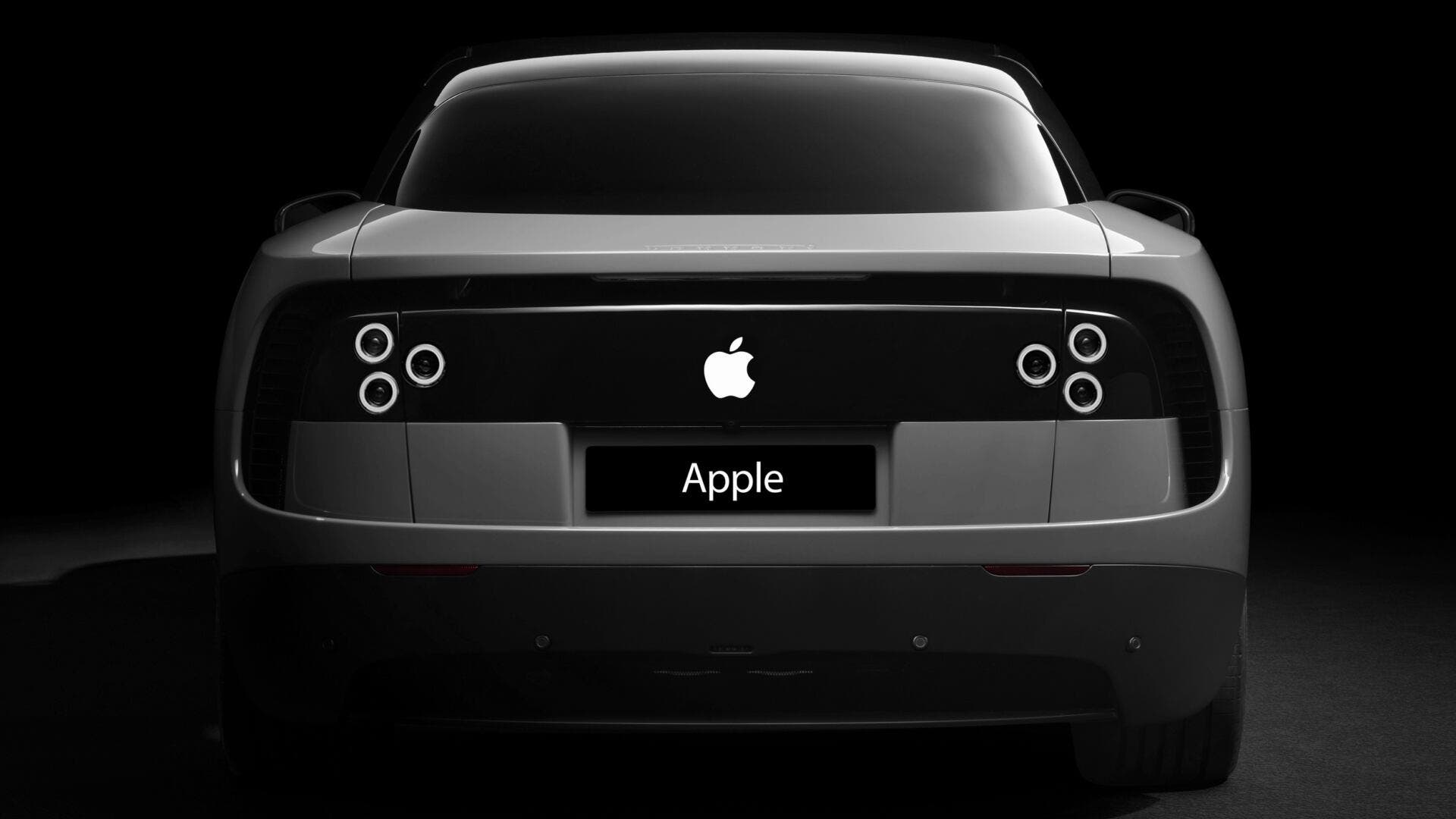
The proportions of the Luce surprised many observers, with a shortened bonnet, soft surfaces and rounded volumes that move away from Ferrari’s traditional design repertoire. This approach raised a curious question among experts and collectors: would the same car have received a warmer response if it had carried an Apple logo instead of the Ferrari shield? It is a provocation that touches the relationship between form and brand identity, because the way people read a car also depends on the expectations attached to its badge. Ferrari evokes racing tradition and performance, while Apple remains associated with minimalism, disruption and objects designed to stand apart from their context.
Cupertino never brought its own car to the road, but the industrial idea built around the Apple Car may have found a form of application, at least stylistically, in a product born in Maranello and aimed at a radically different clientele. It is a paradoxical outcome, considering that the first car to translate some of Ive’s ideas into a production model does not carry the logo of the company that made him famous.