

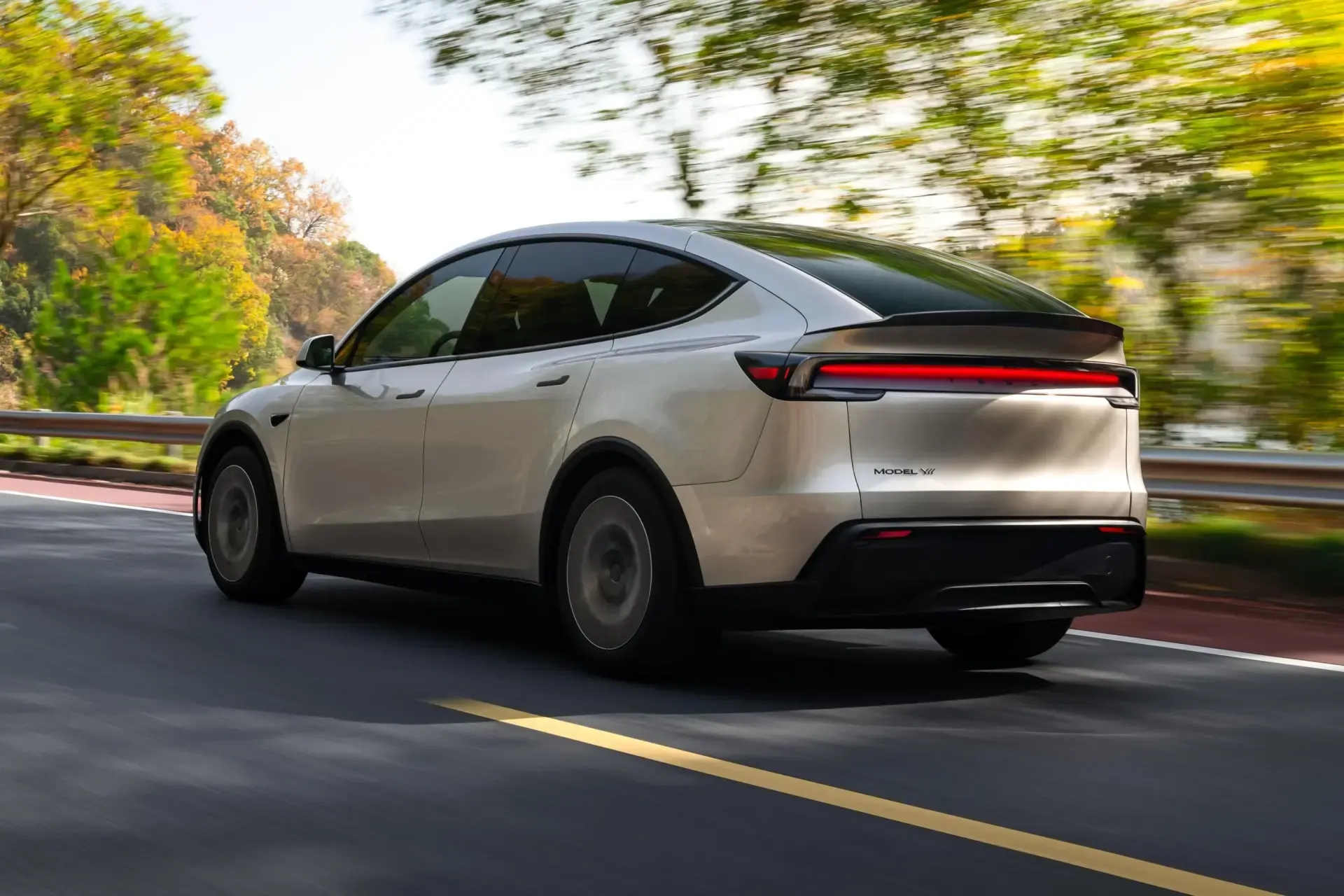
In April 2026, Tesla registered 10,654 vehicles across the whole European continent, including non-EU markets such as the United Kingdom, Norway and Switzerland. That result marked a 46.5% year-on-year increase and the third consecutive month of growth after a prolonged decline that affected much of 2025.
Looking only at the 27 European Union countries, Tesla registrations reached 9,169 units, with growth of more than 67%. Both results, however, need context, because the comparison starts from a particularly weak base. In 2025, Tesla was losing ground just as the European electric car market was regaining momentum.
Tesla grows again in Europe, but its lineup still looks too narrow
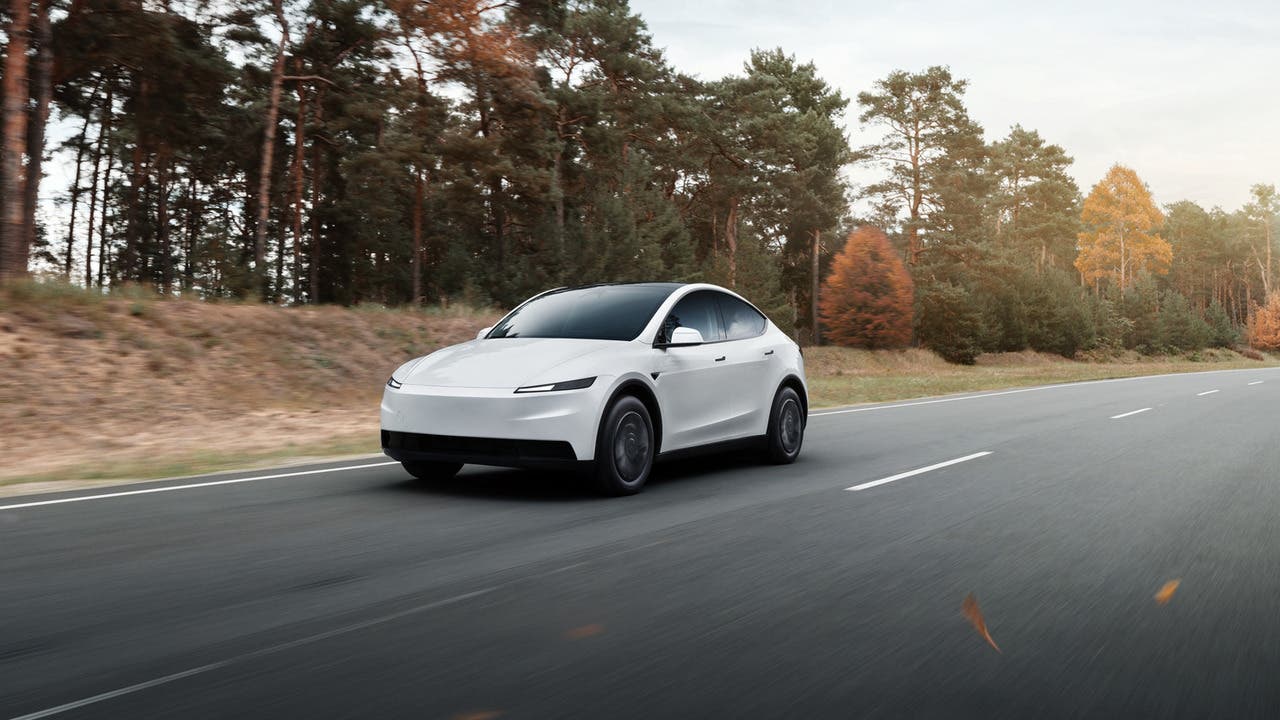
The market picture confirms that BEV growth in Europe no longer depends on a single automaker. According to ACEA data, electric car registrations in the European Union reached 1,880,370 units in 2025, lifting market share to 17.4% from 13.6% the previous year.
The trend strengthened further in the first four months of 2026, with BEV penetration rising to 19.7% and total registrations reaching 746,899 units. The European car market as a whole grew by 7% in April, reaching 1,152,315 vehicles, while electric cars, plug-in hybrids and traditional hybrids accounted for more than two thirds of total registrations.
Tesla’s recovery looks significant, but the direct comparison with BYD puts it into perspective. In the same month of April, BYD recorded 27,008 registrations in Europe, up 114.5%, more than double Tesla’s volume, although not all vehicles registered by the Chinese automaker were fully electric.
BYD’s advantage mainly comes from a more diversified lineup covering segments where Tesla has no presence. The Dolphin G DM-i shows this clearly: it is a plug-in hybrid compact model developed specifically for the European market and positioned in a high-volume price band where the Austin-based brand currently has no model.
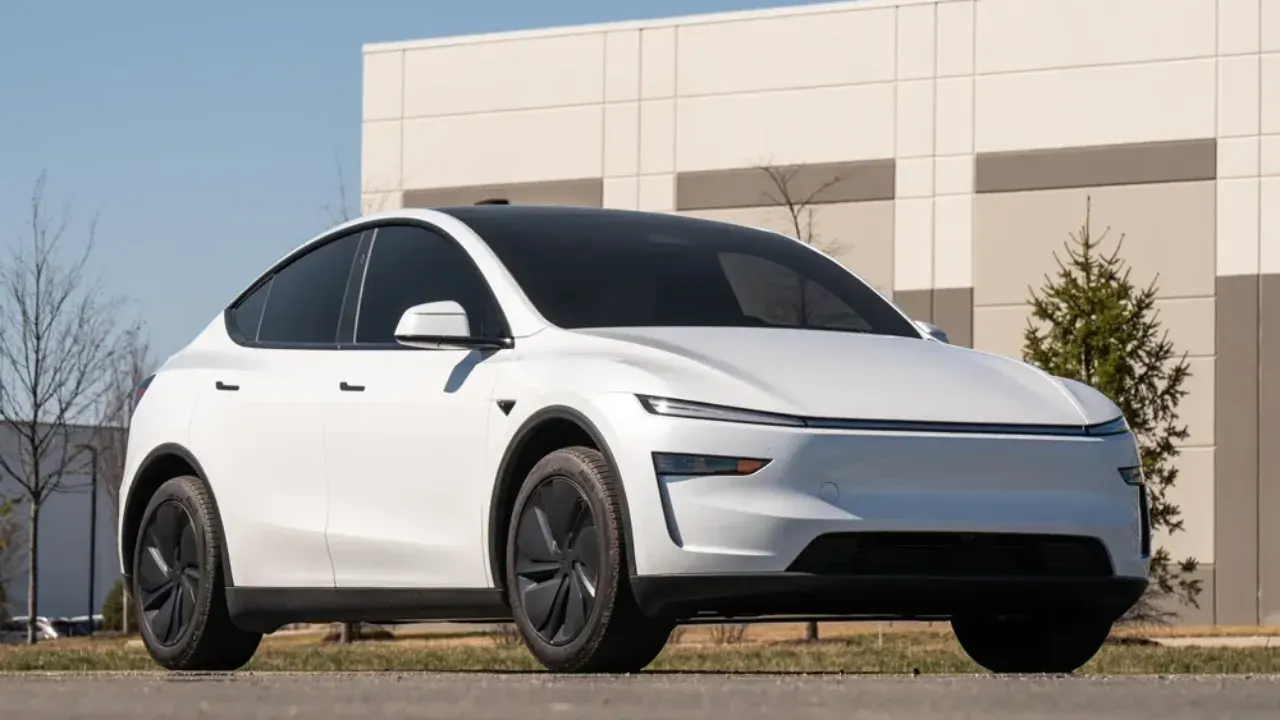
According to some rumors, Tesla is working on a more affordable electric crossover, produced in China and positioned below the Model Y. Such a vehicle could prove crucial for regaining competitiveness in the part of the market where Chinese and European automakers are applying the strongest pressure.
For now, however, Tesla’s lineup remains focused almost entirely on the Model 3 and Model Y. Until the brand expands downward, it will continue to face competitors with much broader segment coverage.