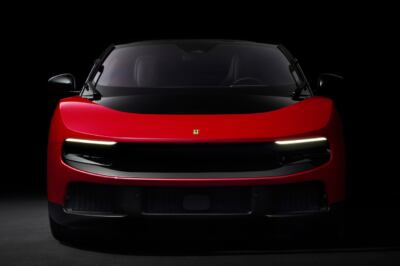
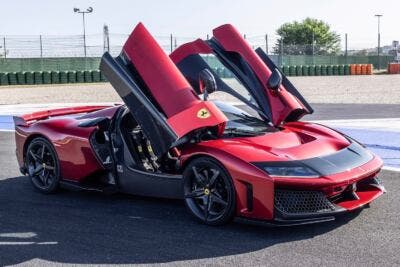
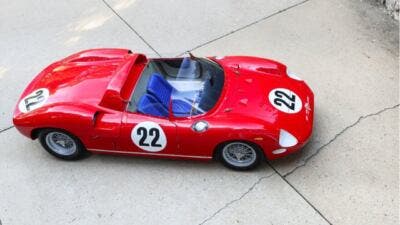
Early driving impressions of the Ferrari Luce suggest that electrification has not erased the dynamic character developed in Maranello, even if the car still needs to win over enthusiasts devoted to V8 and V12 engines. Top Gear drove a camouflaged pre-production prototype at the Balocco test track that already represented the final model’s mechanical setup and overall behavior.
Ferrari’s 1,035-hp Luce delivers a surprisingly engaging first drive
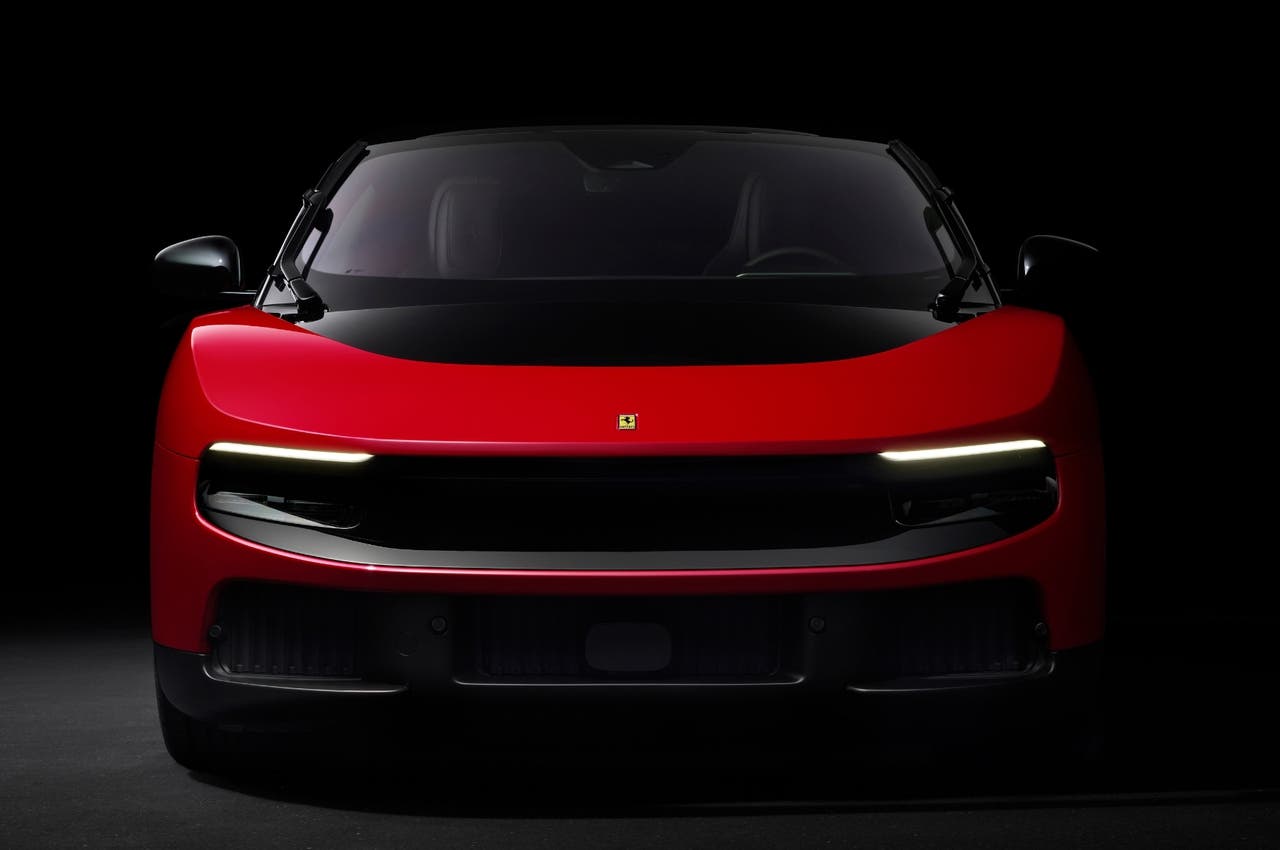
The design by Jony Ive and Marc Newson triggered divided reactions after the Luce debuted in May 2026. Its four-door, five-seat proportions and styling move far away from the traditional Ferrari sports-car formula. The first drive, however, shifted attention toward whether Ferrari could create an EV that offers more than brutal acceleration and a massive power figure.
Top Gear found that the accelerator delivers power progressively rather than unleashing the abrupt surge common in many high-performance EVs. Ferrari’s Torque Shift Engagement system lets the driver select five power levels with the right paddle and five regenerative-braking settings with the left. By reshaping the torque curve, it gives the driver more control during corner entry and exit and creates sensations similar to a conventional transmission and engine braking.
The brake pedal reportedly feels natural, while torque vectoring across both axles, rear-wheel steering and sophisticated software give the front end precise responses, strong mid-corner balance and exceptional traction. The Luce remains a large, heavy car, but the reviewer said it feels substantially lighter than its actual mass.
Third-generation active suspension controls body movement without creating an excessively stiff ride. Even with 23-inch front and 24-inch rear wheels, the prototype absorbed rough surfaces effectively. A vehicle control unit coordinates the motors, suspension and other systems, updating its targets 200 times per second.
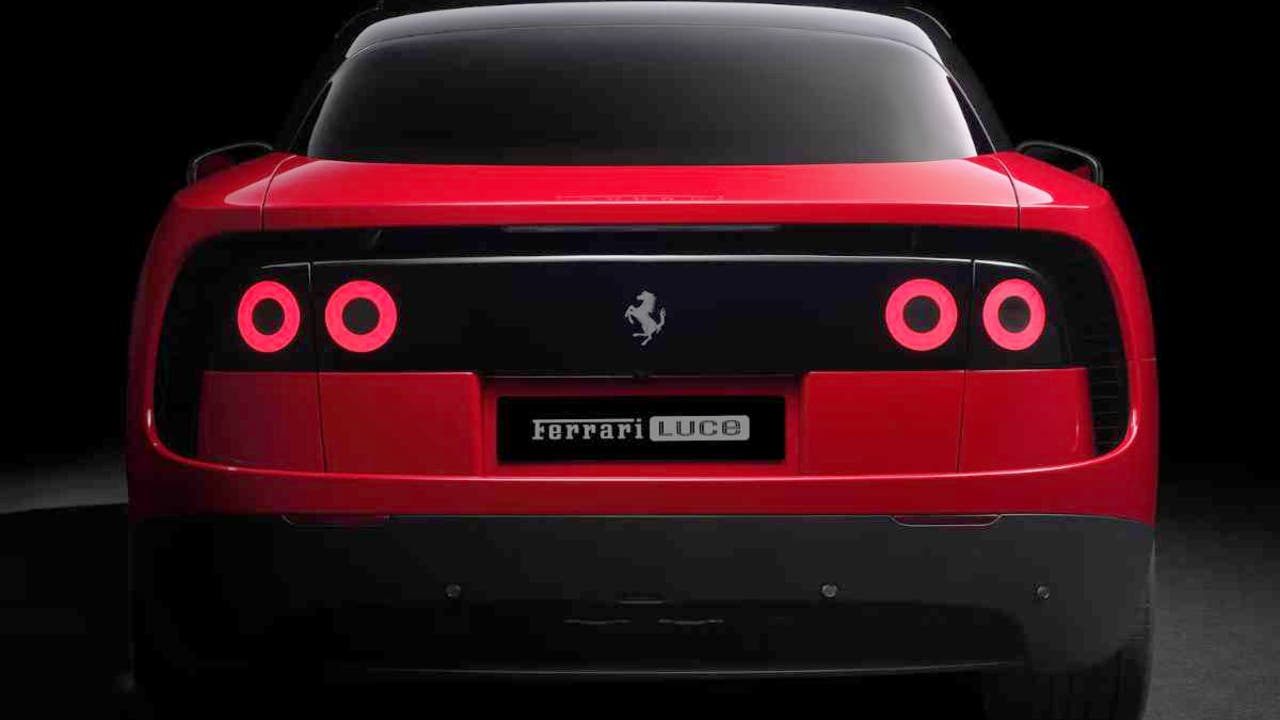
Four electric motors and a 122-kWh battery provide about 1,035 hp. Ferrari claims a 0-62 mph time of 2.5 seconds, a top speed above 193 mph and more than 330 miles of WLTP range. The first drive suggests that calibration and driver involvement matter more than the headline numbers.
Ferrari also creates sound from real vibrations generated by the electric drivetrain. The system amplifies natural frequencies from the rear inverter rather than producing a completely artificial soundtrack. It gives the driver useful feedback, although it cannot reproduce the mechanical richness of a Ferrari combustion engine.
The controversial styling has not stopped early demand. Reports say Ferrari has already reached its 2026 target of nearly 500 cars, although CEO Benedetto Vigna said interest remains evenly distributed worldwide. The first production car, known as Chassis 0, will cross the RM Sotheby’s auction block in Monterey without reserve, with a value above $1.1 million.