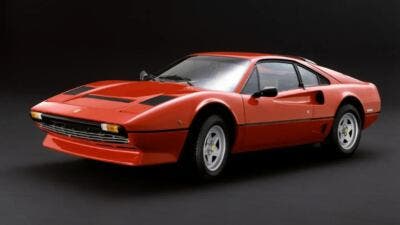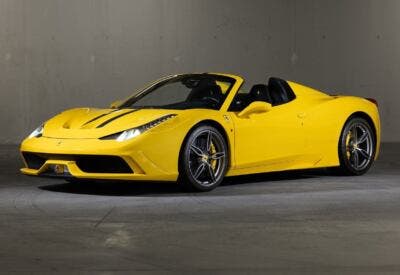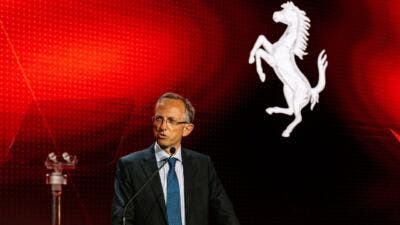
Ferrari plans to launch an average of four new models per year between 2026 and 2030, building its lineup in parallel around combustion, hybrid, and electric powertrains. CEO Benedetto Vigna shared that guidance during the shareholders’ meeting in Amsterdam, where he outlined Maranello’s industrial direction for the next five years in greater detail.
Ferrari plans to launch four new models a year through 2030
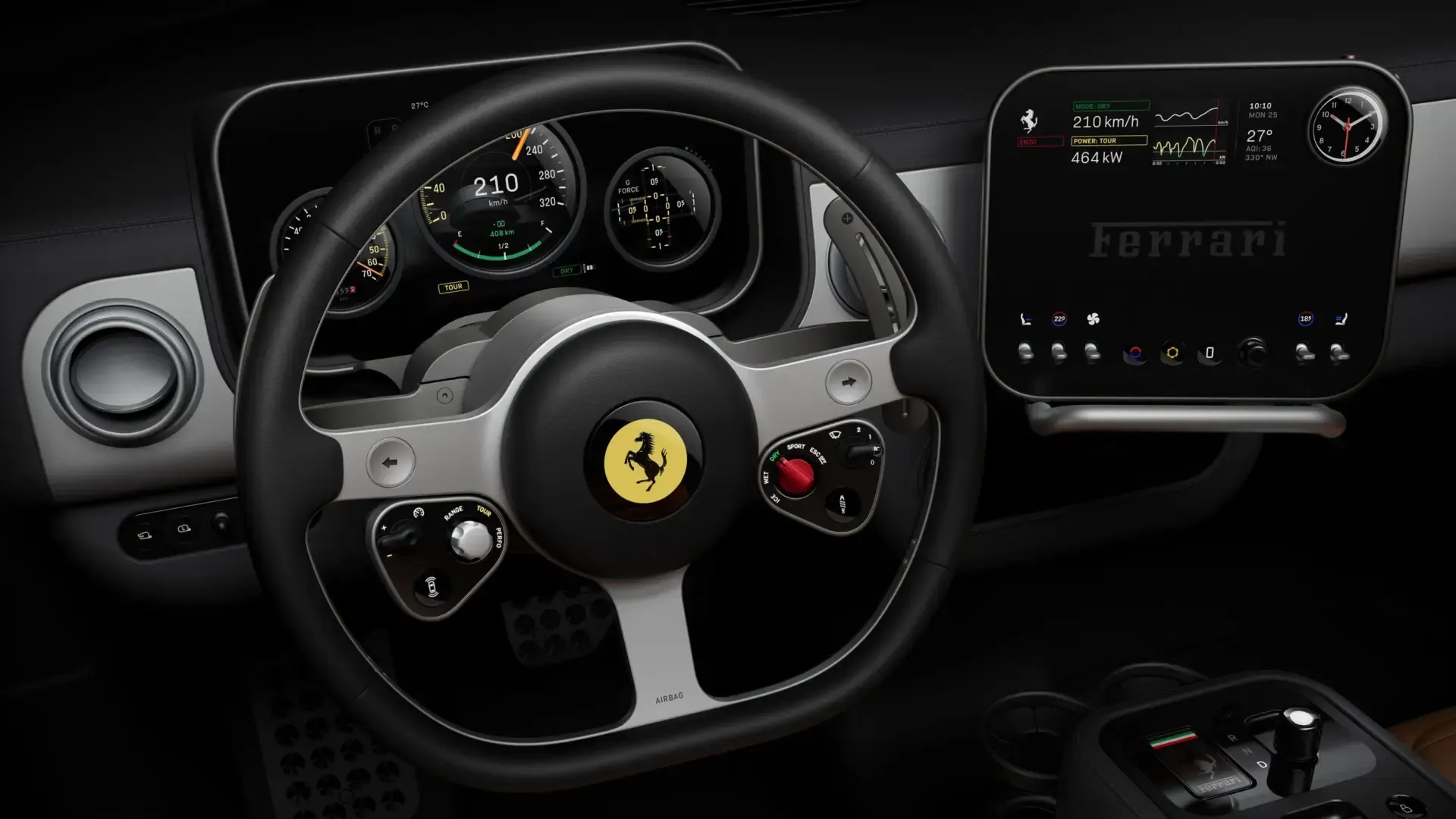
Ferrari wants to expand the range without giving up exclusivity, the principle on which the brand has long built both its commercial positioning and the strong residual value of its cars. The coexistence of three different propulsion architectures stands out as one of the most important parts of Vigna’s plan because Ferrari may extend that approach even into segments that until now have relied only on internal-combustion engines. The company is trying to protect its dynamic identity while operating inside a European regulatory framework that continues to evolve.
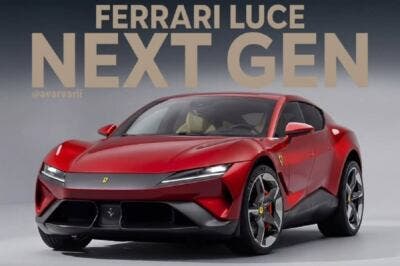
Luce will play a particularly important role in that strategy. As Ferrari’s first fully electric model, it will mark not only a technical step but also a symbolic one for Maranello. Vigna suggested that the project will show how Ferrari intends to use battery-electric propulsion without compromising the brand’s defining traits, especially in dynamic response and driving experience. Ferrari has divided the official presentation into three stages, with the world premiere set for May 25 in Rome.
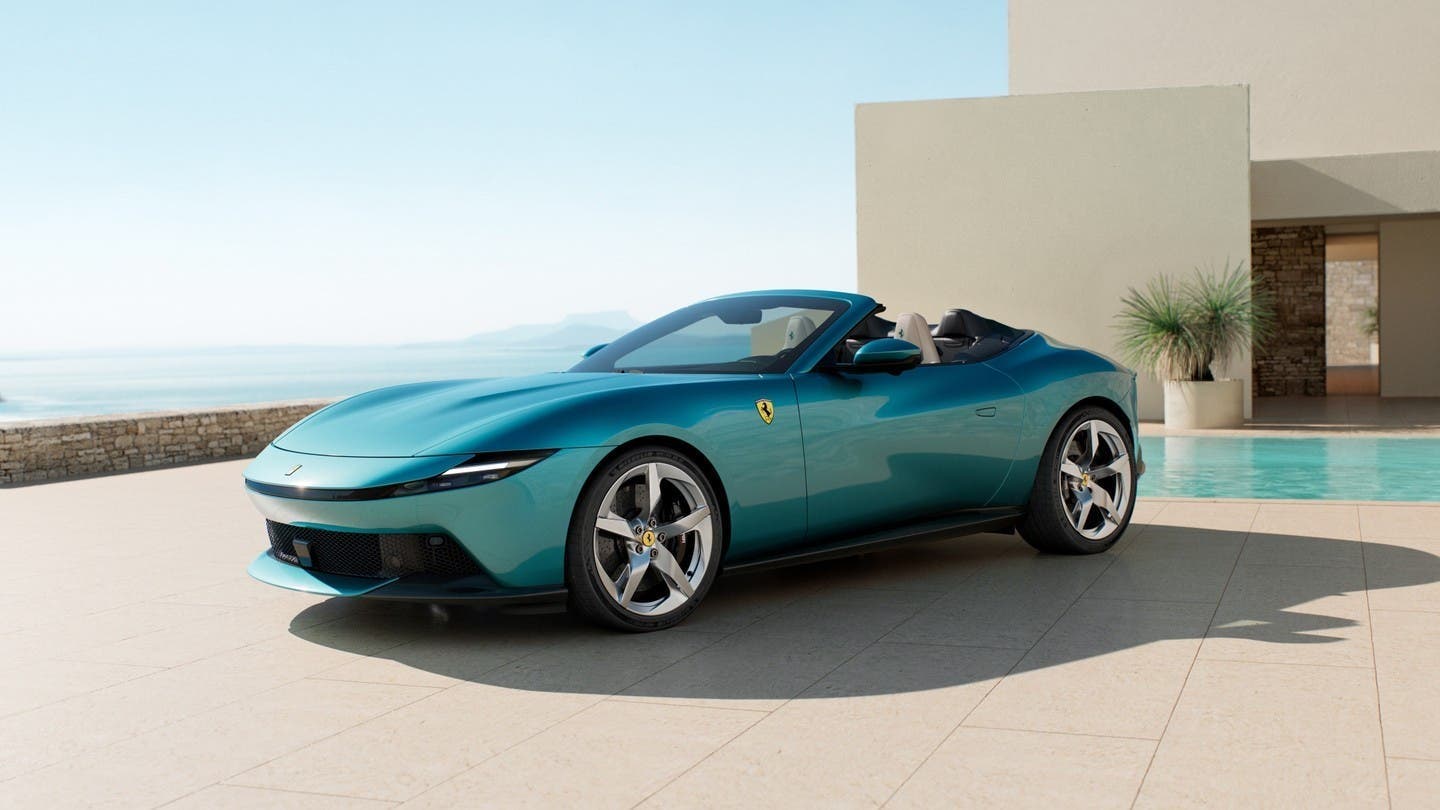
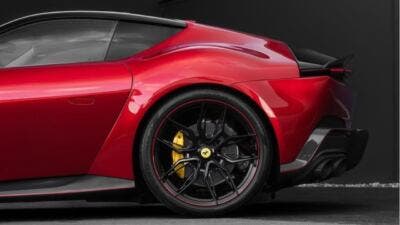
Alongside Luce, Ferrari should also bring four more models to market during the year, including the Amalfi Spider, which the company had already shown in previous weeks. Vigna’s commercial approach aims to give customers a wider range of choices, both in technical configurations and body styles, without weakening the level of personalization that defines Ferrari’s current offering.
On geographic expansion, Vigna also pointed to the growing importance of selected emerging markets, with special attention on India, which Ferrari sees as one of the highest-potential regions for the next decade. Actual progress on that front will depend on local regulation and on the structure of the distribution network. Ferrari is expected to provide more precise updates on both of those points over the coming quarters.