

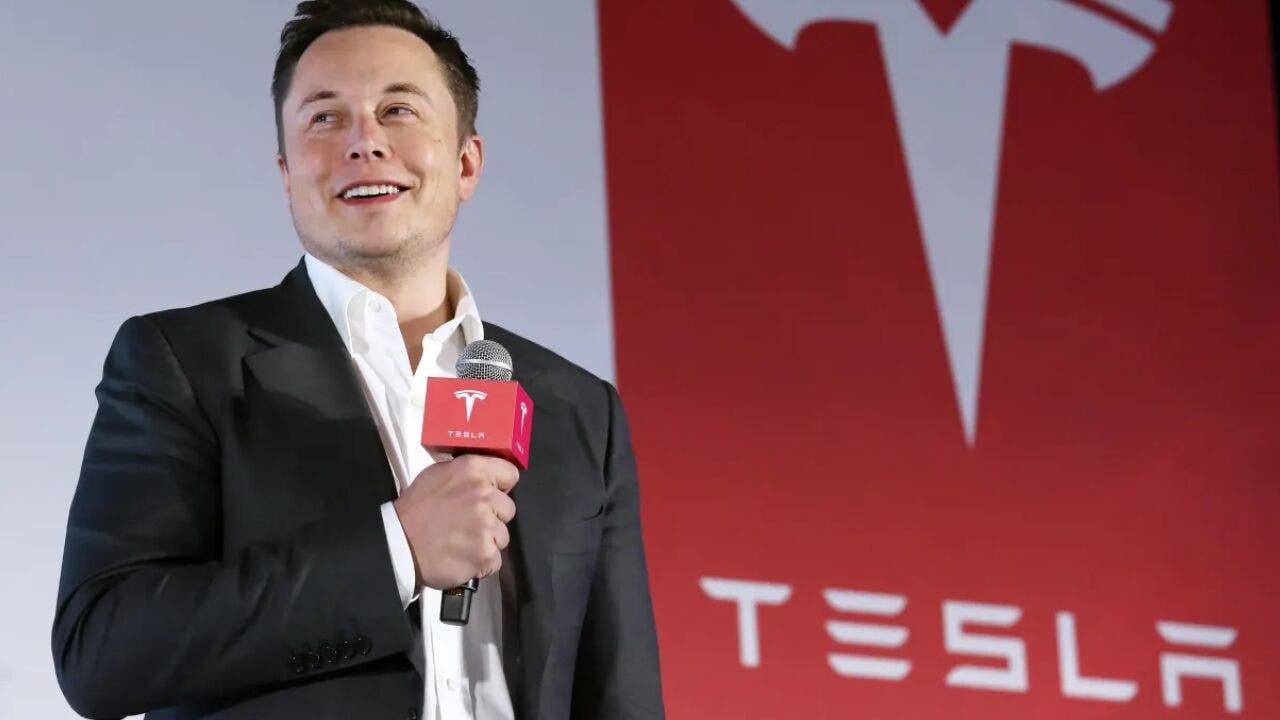
Tesla has announced the arrival of Full Self-Driving version 14.3, an update that Elon Musk says marks a significant step forward in the system’s assisted-driving capabilities. According to the latest indications, Tesla is already testing the software internally on company vehicles before releasing it to customers.
Tesla prepares FSD 14.3 rollout while regulators keep watching closely
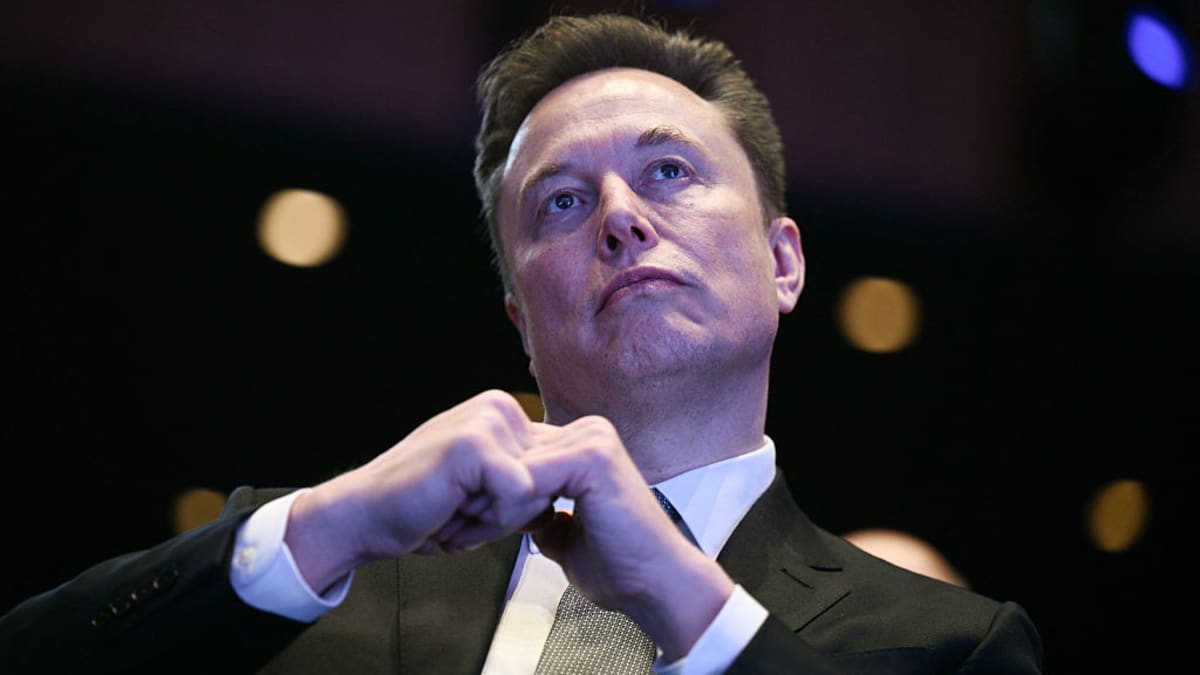
Musk used especially ambitious language to describe the update, but behind the more dramatic framing, the real substance seems to lie in a major overhaul of the software architecture. Tesla appears to have expanded the neural network, increased real-time processing capability, and improved the system’s handling of complex urban situations, from difficult intersections to traffic conditions that change constantly. Musk even described it as “conscious.”
Even so, Tesla has taken a far from smooth path to reach this point. For years, Musk has fueled extremely high expectations among customers and investors by describing software that seems ever closer to true autonomous driving. Over time, however, Tesla has alternated versions that generated enthusiasm with updates that left users disappointed and reinforced the sense that the company keeps pushing its promises further into the future. At the same time, regulators continue to apply pressure, and Tesla cannot afford to ignore it.
Not every owner will get access to the new software on the same timeline. Reports suggest Tesla will first roll out the update to newer vehicles equipped with HW4 hardware, while owners of HW3-equipped models may receive a lighter version only later in the year. That distinction matters a great deal because many customers bought the FSD package expecting to follow the evolution of the system regardless of the hardware generation in their cars. A split this sharp could increase frustration that has already started to emerge.
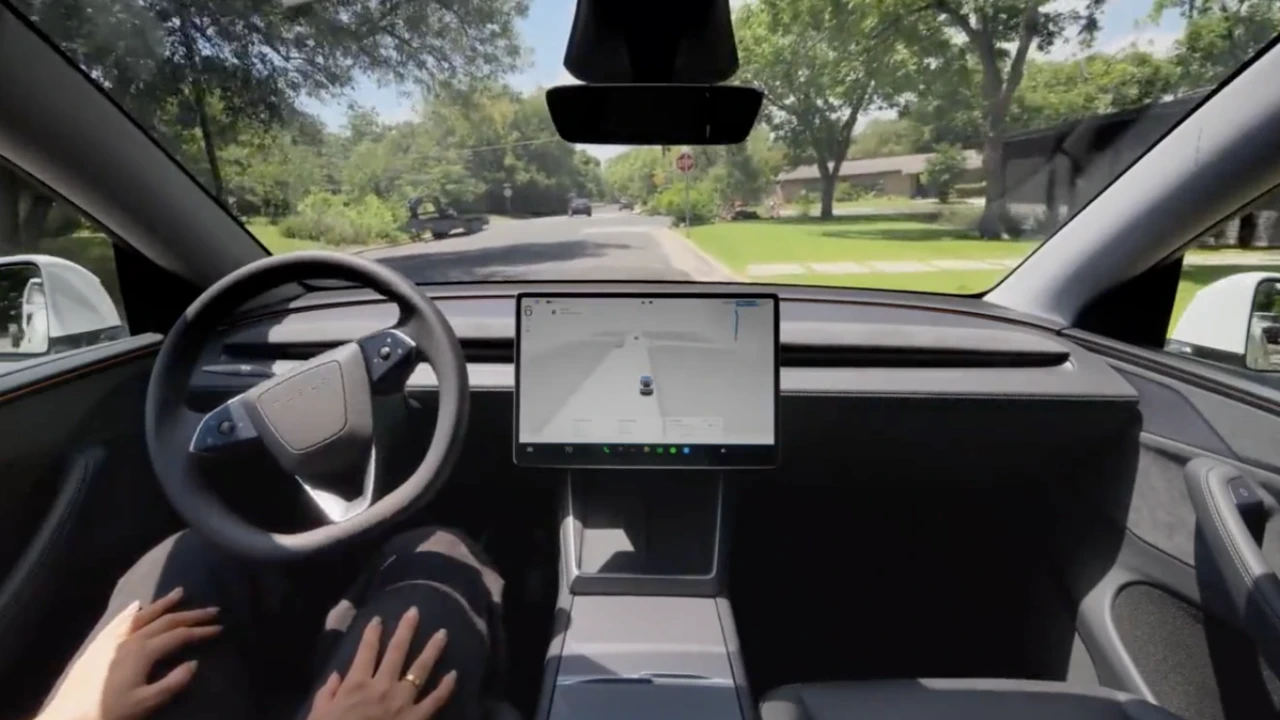
The moment becomes even more delicate because NHTSA is still carrying out an engineering analysis of Full Self-Driving involving about 3.2 million vehicles. Investigators are focusing on how the system behaves in reduced-visibility conditions and are paying particular attention to whether the software warns the driver in time when manual intervention becomes necessary.
According to what has emerged from the investigation, the system may fail to alert the driver quickly enough when cameras struggle to interpret the surrounding environment. That issue touches one of the most sensitive parts of Tesla’s entire architecture because the company relies exclusively on computer vision and does not use lidar or radar as a backup.
The new update therefore arrives at a moment when Tesla is trying to push its assisted-driving system forward technologically while federal authorities continue to scrutinize it closely. That combination leaves the company with very little room for error.