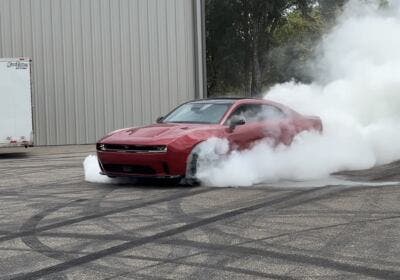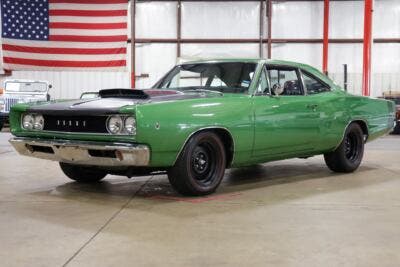
The Dodge Super Bee was born in 1968 to deliver genuine muscle-car acceleration at a lower price than the brand’s more luxurious performance models. Dodge’s latest teaser has brought the famous name back into the spotlight, but its reputation was originally built during a brief four-year run that began when Dodge transformed the Coronet into a direct rival to the Plymouth Road Runner.
Dodge Super Bee: the story of the American muscle car that could return on the Charger
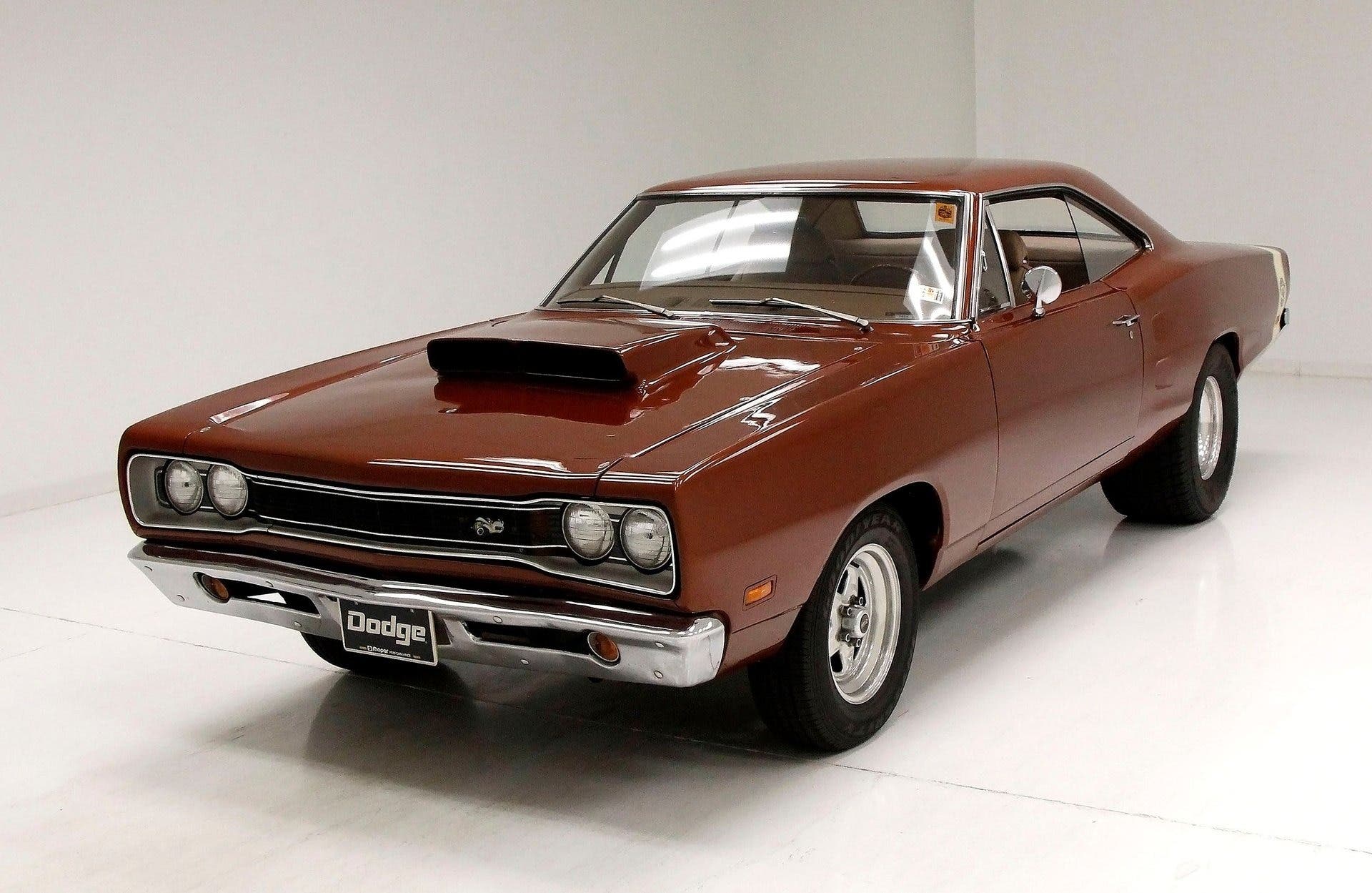
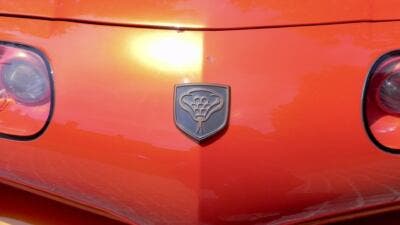
Both cars belonged to Chrysler and shared the intermediate B-body platform. Dodge gave the Super Bee its own identity through distinctive rear graphics and the muscular bee emblem that remains associated with the name today. The original 1968 model came exclusively as a two-door pillared coupe, a less stylish but cheaper and structurally stiffer alternative to a hardtop. Dodge added the pillarless hardtop for 1969.
The standard engine was a 383-cubic-inch Magnum V8 rated at 335 hp under the measurement system used at the time. Buyers could pair it with a four-speed manual or TorqueFlite automatic, while the legendary 426 HEMI offered considerably more performance at a much higher price.
In 1969, Dodge introduced the A12 Super Bee with the 440 Six Pack V8. Three two-barrel carburetors helped the big-block produce a factory-rated 390 hp, while the package also included a Dana 60 rear axle, black steel wheels and a distinctive lift-off fiberglass hood.
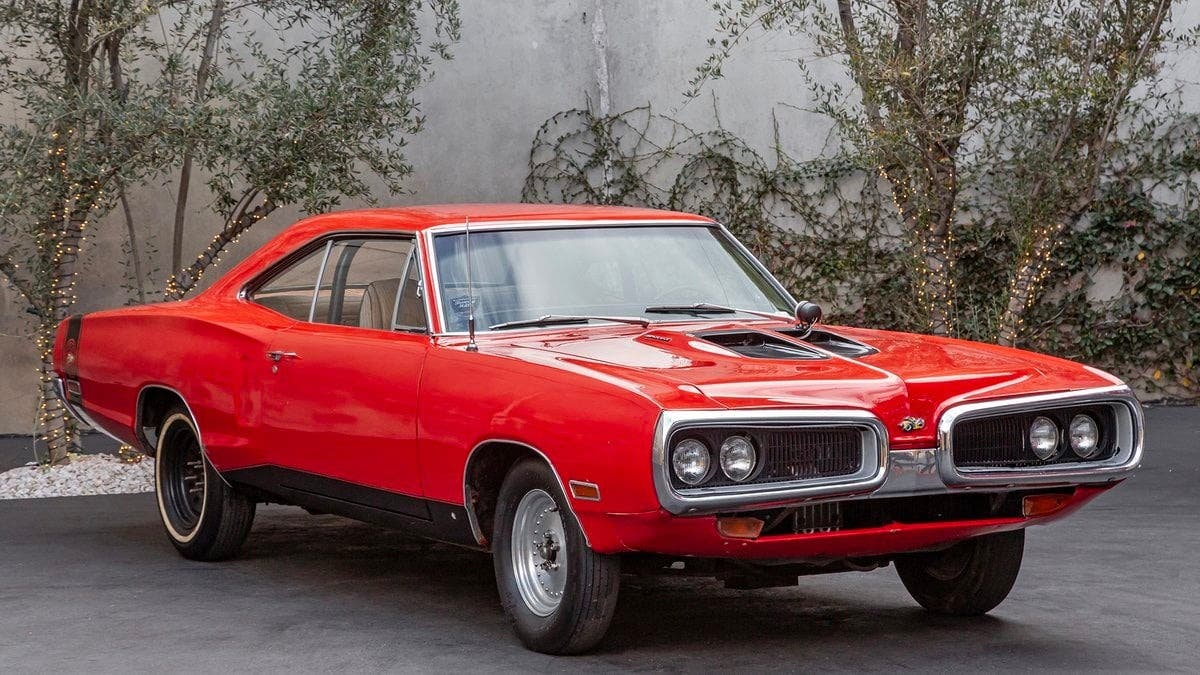
The 1970 model brought one of the Super Bee’s most recognizable designs. Its unusual twin-loop front bumper divided opinion, while four-speed cars gained the famous Hurst Pistol Grip shifter. Buyers could also specify aggressive hood and body graphics that made the already distinctive Coronet even harder to miss. Dodge produced 15,506 Super Bees that year, including 11,540 hardtops and 3,966 coupes.
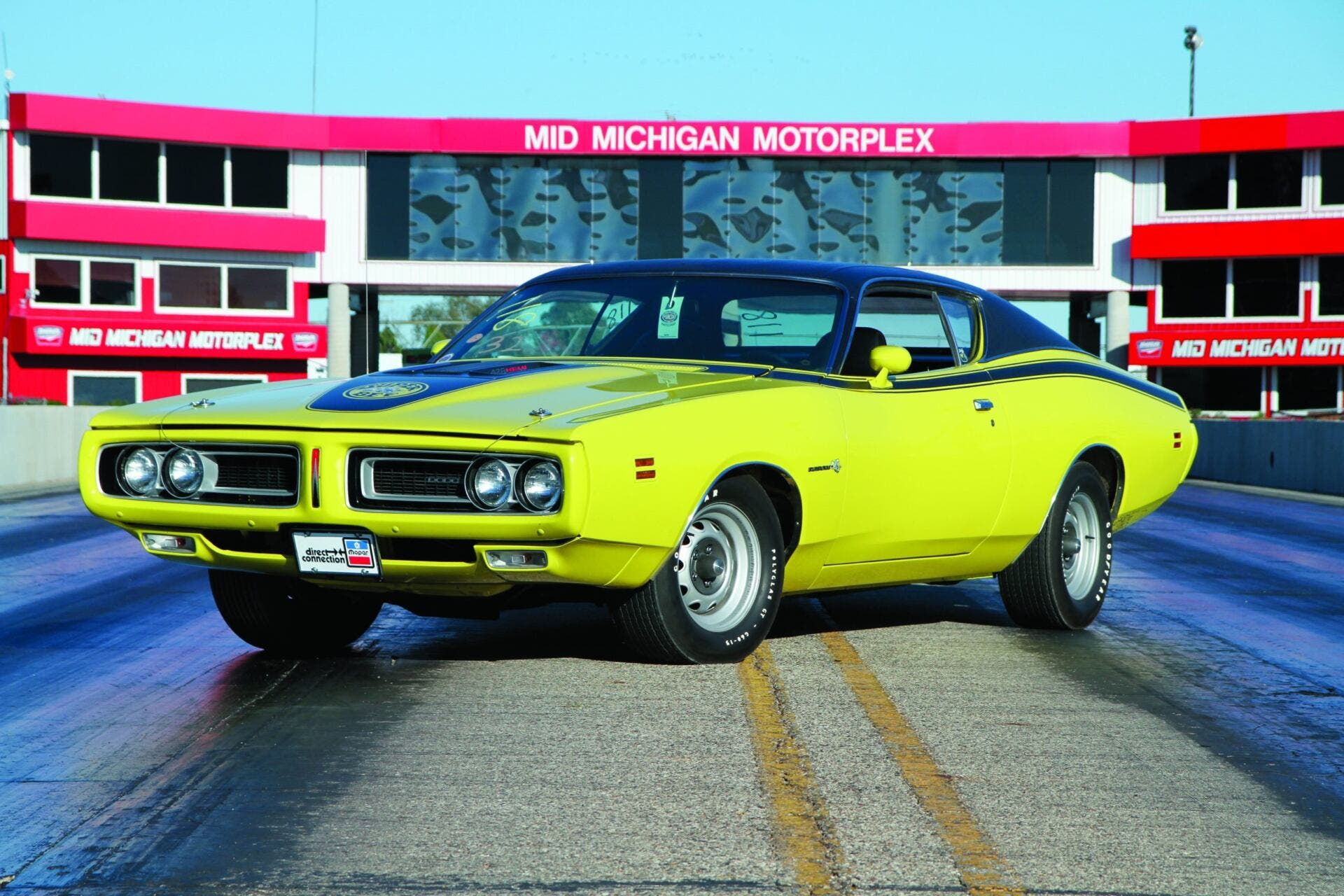
For 1971, Dodge moved the Super Bee badge from the Coronet to the Charger after dropping two-door Coronet models. The formula survived for only one more year as rising insurance costs, stricter emissions requirements and changing market conditions began bringing the classic muscle-car era to an end.
Dodge eventually revived the Super Bee on modern Chargers beginning in 2007, with later versions appearing through 2014. The badge returned again for the limited-production 2023 Charger Super Bee, one of Dodge’s seven “Last Call” special editions. Only 1,000 examples were planned.
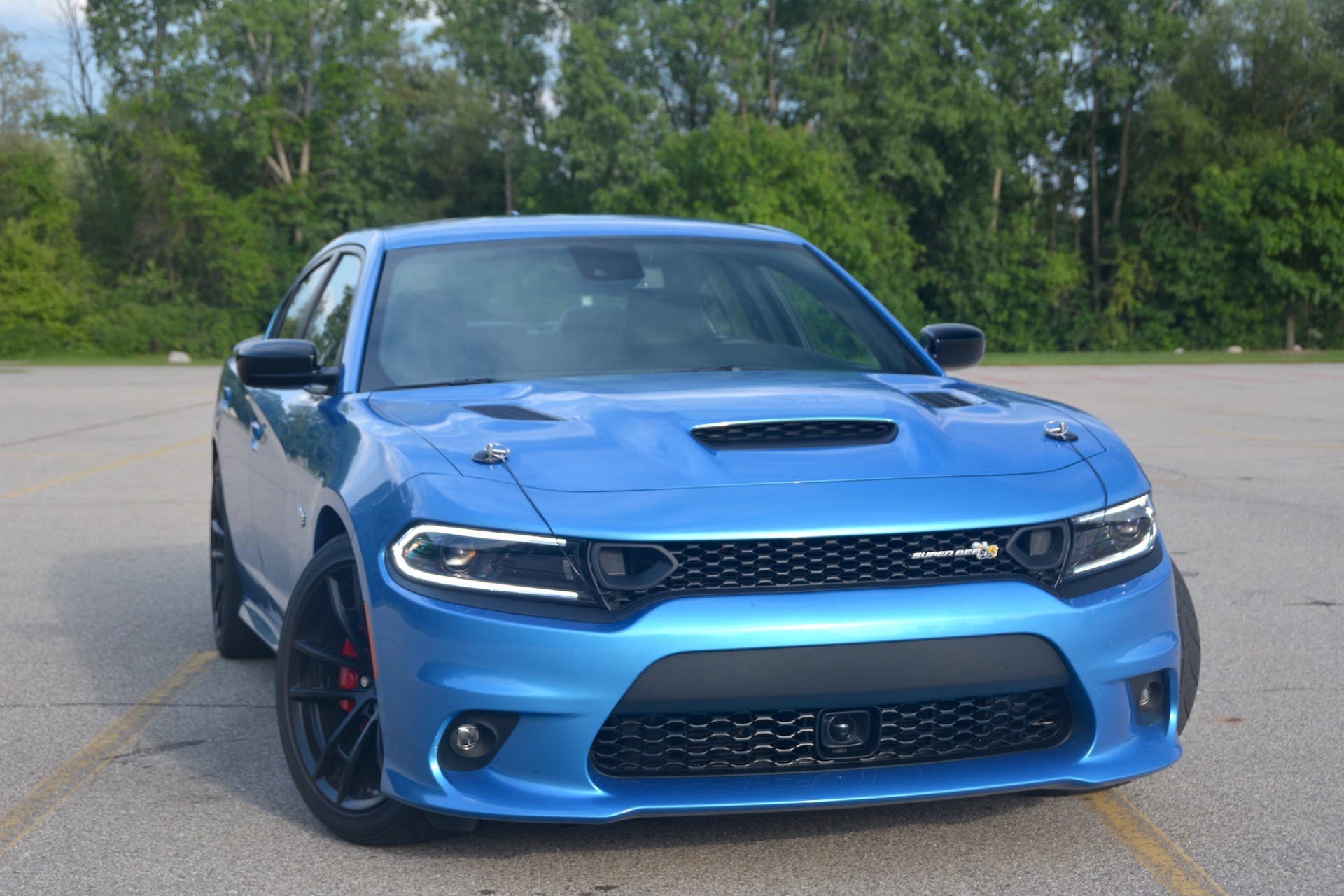
Now Dodge is teasing another chapter. A short video filled with bees and drag-strip imagery announces a new reveal for August 7, 2026. Reports strongly suggest the model will use the latest Charger SIXPACK and its twin-turbo Hurricane inline-six, although Dodge has not officially confirmed the final specifications.
The engine may be very different from the big-block V8s that created the original legend, but the Super Bee philosophy remains easy to understand: serious straight-line performance without unnecessary extras.