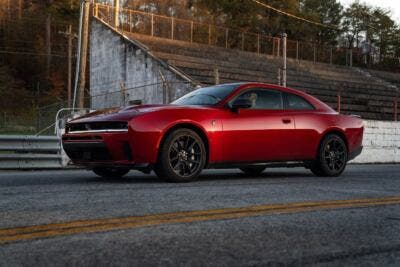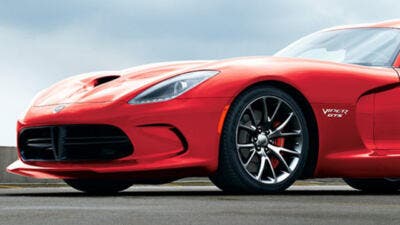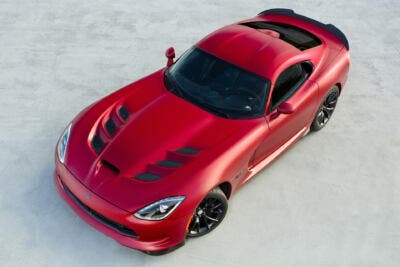
Hopes for a Dodge Viper comeback, reignited by the announcement of Ram’s return to the NASCAR Truck Series and rumours of a new sports car in development, now face a firm position from the American carmaker. Tim Kuniskis, CEO of Dodge, has ruled out the idea of relaunching the supercar, explaining that the name remains too closely tied to a very specific formula to return in a modern form without betraying its identity.
The manager’s reasoning starts from an industrial premise. Dodge SRT is not working on a GT3 program, a detail that effectively rules out the return of the Viper in racing form, the area where the model built much of its reputation. In the past, the project involved specialist partners such as ORECA and Riley Technologies, but today’s context looks very different. Regulations, electrification, development costs and new range priorities make it difficult to imagine a road-going sports car with a large naturally aspirated V10 and a manual gearbox, the elements that defined the model’s identity until production ended in 2017.
Dodge Viper, Kuniskis shuts the door on a comeback without V10 and manual gearbox
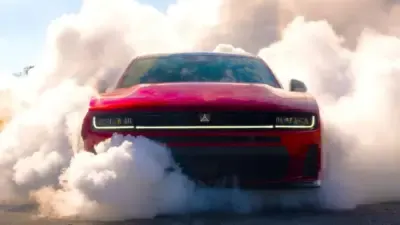
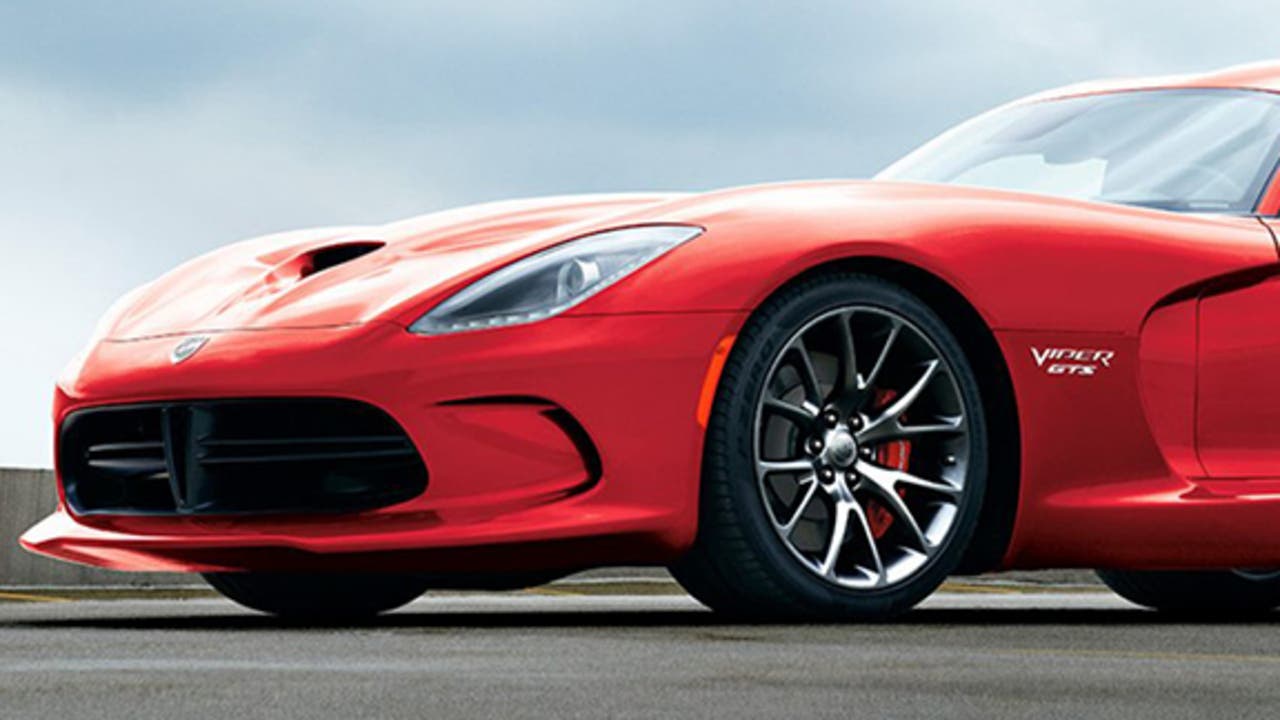
According to Kuniskis, the problem is therefore not only technical, but also symbolic. A Viper without a ten-cylinder engine and a manual transmission could not truly be considered a Viper. The rumours circulating in recent weeks still appear to point to another name for Dodge’s future sports car: Copperhead. That project would follow a different philosophy, closer to the world of muscle cars than pure GT models. Using the Viper name for a car built around engines and components shared with current Dodge models would risk overlapping with the Charger and the Copperhead itself, turning a historic name into a simple nostalgia operation.
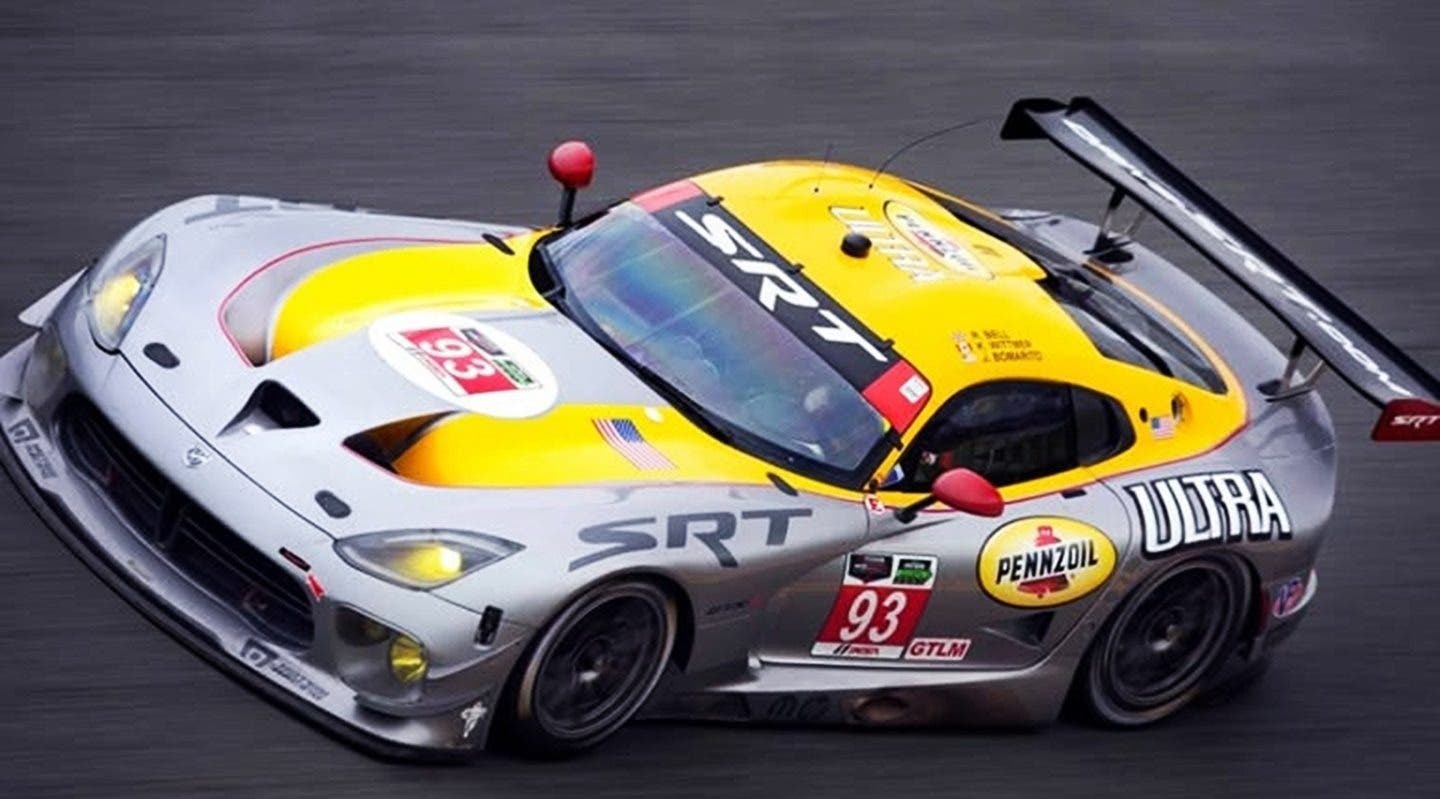
The model’s racing legacy clearly weighs heavily on this decision. The competition GTS-R won the LM-GT2 class at the 24 Hours of Le Mans, as well as victories at the 24 Hours of Nürburgring and the 24 Hours of Daytona, along with several titles in the FIA GT Championship and the American Le Mans Series. In the early 2000s, the Viper became an example of an American sports car capable of taking on rivals such as the Porsche 911 GT, Ferrari 550-GTS Maranello and Lamborghini Diablo GTR without an inferiority complex. It proved that a US manufacturer could build an internationally competitive GT car.
Replicating that spirit today looks complicated. Motorsport and the sports car market now require advanced aerodynamics, sophisticated electronics, hybridisation, simulations and major investment, all far removed from the direct, almost physical philosophy that defined the original. Dodge will continue to focus on performance models, from the new Charger to the future Copperhead, but it will leave the Viper where it belongs: as a myth tied to a very specific era.