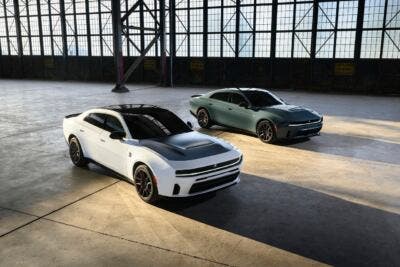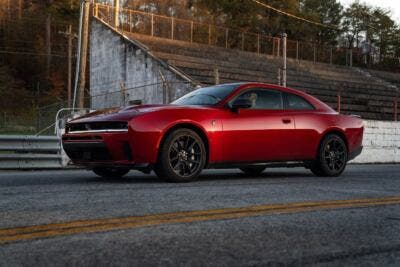
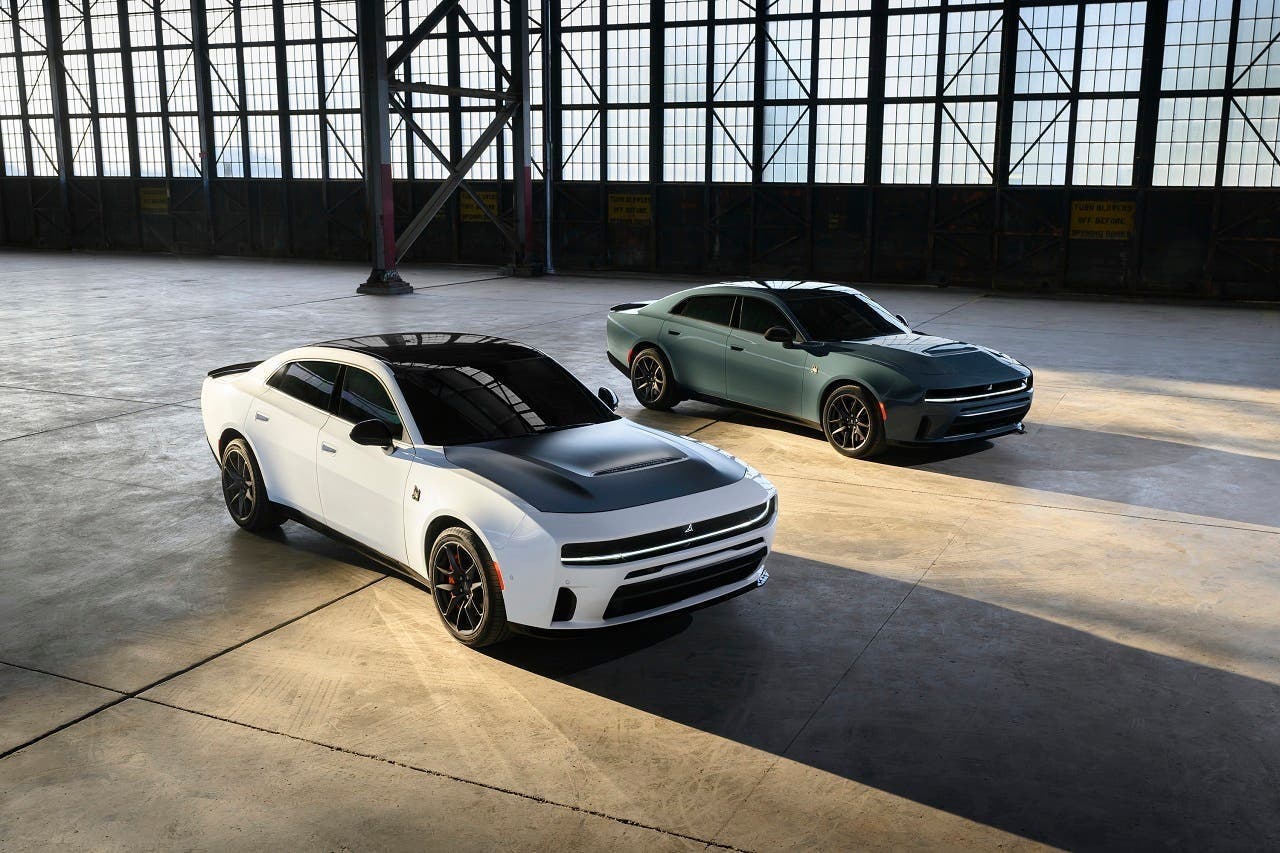
The Dodge Charger is preparing to fire up its engines again in Europe in the year of its 60th anniversary, marking an important return for one of the most recognizable muscle cars in American history. The model arrives in the Old Continent with a multi-energy strategy, designed to appeal to very different types of customers without abandoning its identity.
Dodge Charger returns to Europe for its 60th anniversary with petrol and electric versions
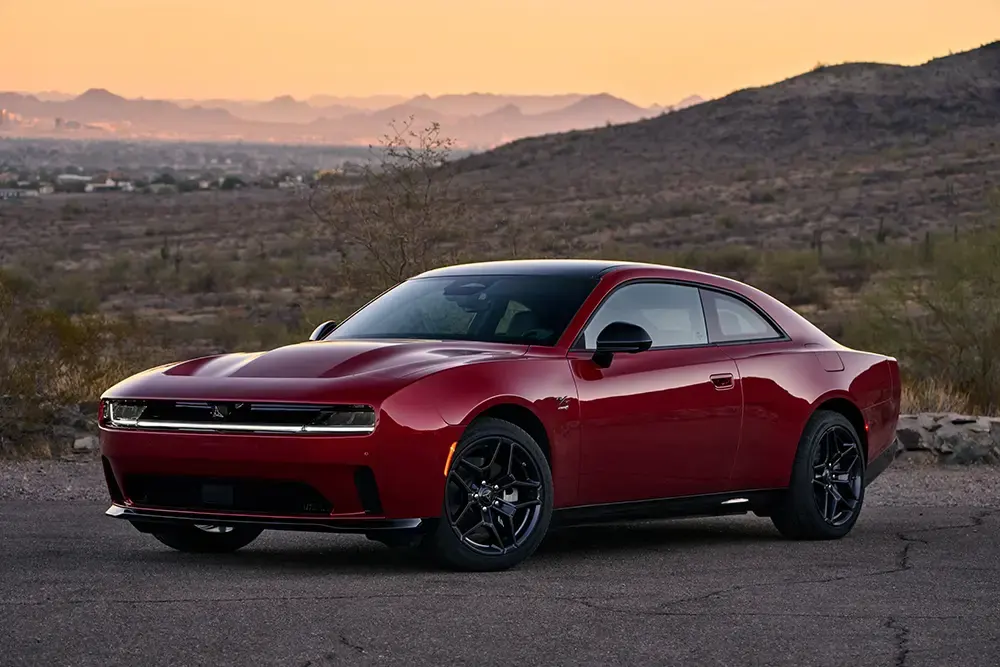
The new generation follows a dual approach. On one side, the petrol-powered SIXPACK version targets drivers who still want a mechanical experience close to the brand’s tradition. On the other, the electric Charger Daytona aims to bring the Dodge name into the electrified era. This coexistence is not simple, because the challenge concerns the very identity of the model, which must remain recognizable even when a V8 soundtrack no longer accompanies acceleration.
Fabio Catone, head of Dodge in Europe, described the Charger’s return as “a significant moment for the brand.” According to him, the operation brings an unmistakable American name back to the European market, aimed at customers who seek character and authenticity rather than the established formulas of European sports cars.
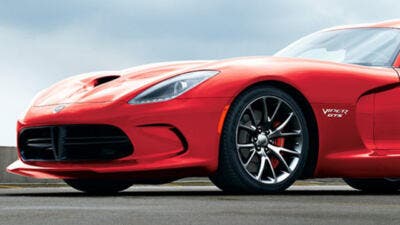
Since its debut in 1966, the Charger has helped define the muscle car image, with its fastback line, driver-focused cabin and powerful V8 engines. It has never been an elegant or discreet sports car, but rather a car designed to stand out: recognizable, exaggerated and deeply American in spirit. Its legend also grew beyond dealerships thanks to appearances in cult films and series, from Bullitt to the Fast & Furious saga, which turned the Charger into a pop icon capable of reaching even those who do not closely follow the car world.
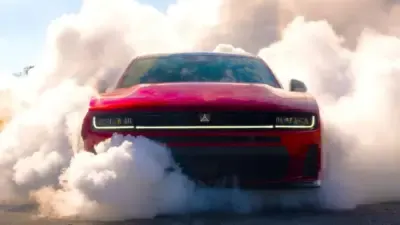
The model’s reputation also comes from its long relationship with competition, especially NHRA drag racing, where Dodge has always cultivated a more muscular and performance-focused image. This philosophy differs from European sports car culture, favouring brutal launches and straight-line performance. It remains a reference point for the new generation as well, and Dodge intends to preserve it regardless of the chosen power source.
For Dodge, the real test will now be the European market, deeply changed by emissions regulations and new driving habits. The wide track, muscular proportions and aggressive design remain the Charger’s calling cards, but the challenge will be to prove that the American muscle car myth can survive both the energy and cultural transition, splitting itself between petrol and electric power without losing what it has built over 60 years of history.