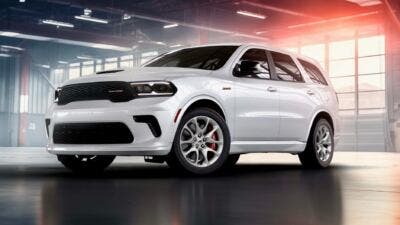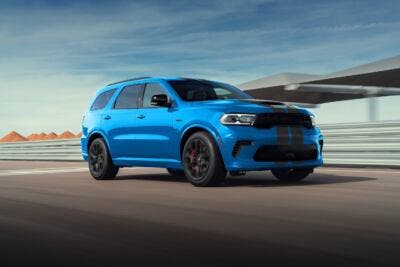
The Dodge Durango sold more than 81,000 units in 2025, up 37 percent from the previous year, and it carried that momentum into the first quarter of 2026 with more than 20,000 deliveries and growth close to 50 percent. Those numbers have pushed the SUV back to its strongest levels of the last twenty years, a result that would have been hard to predict for a model whose current generation has been on the market since 2011 and that, on paper, should already be in the final stage of its commercial life.
Dodge Durango is defying expectations with a huge sales rebound
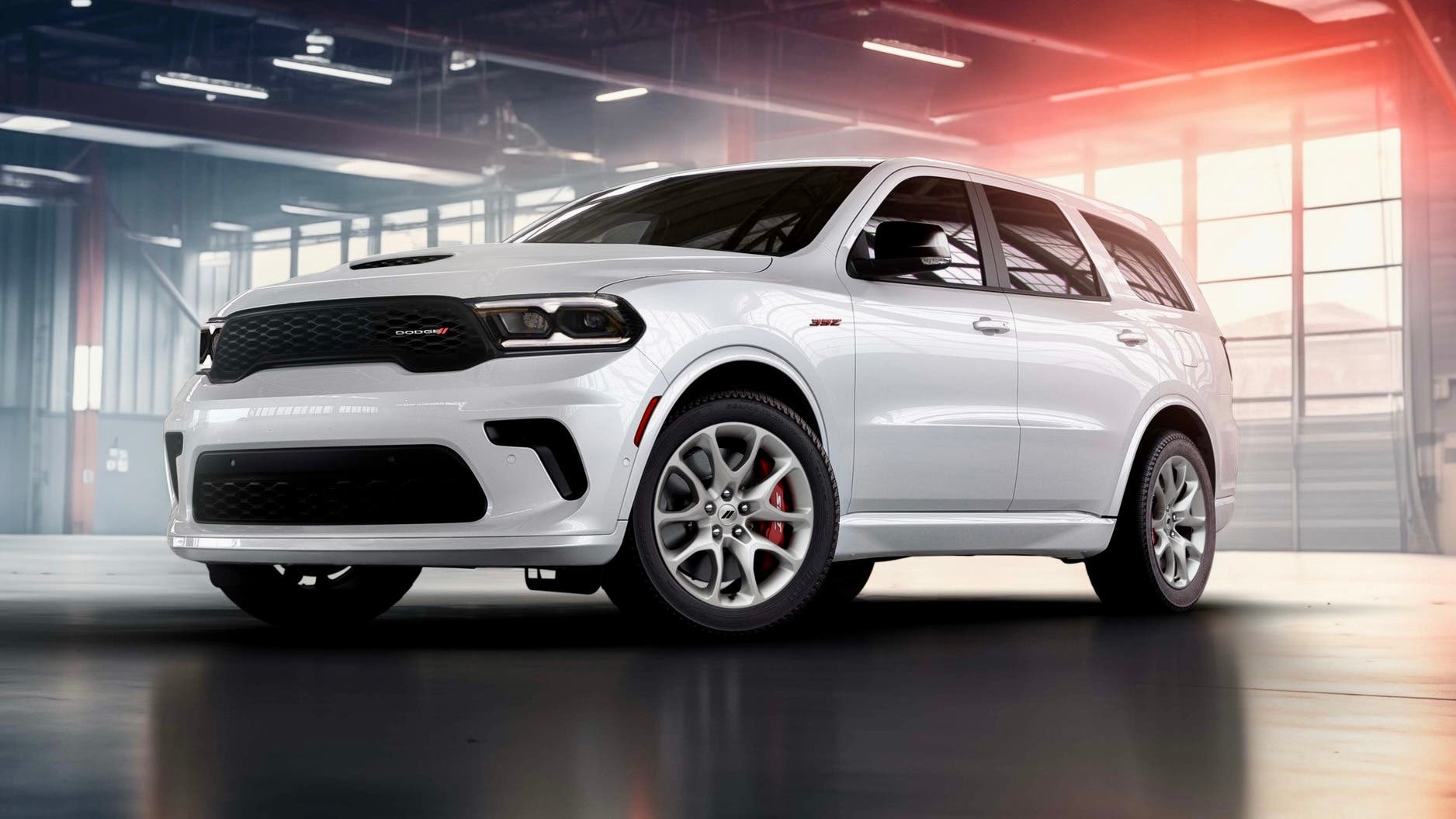
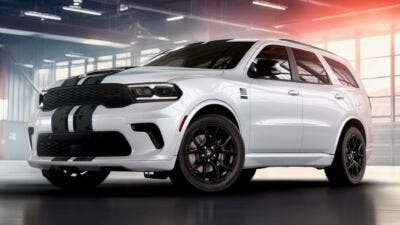
Dodge CEO Matt McAlear credited the rebound to two main factors, a revised pricing strategy and the return of the HEMI V8 across the lineup. In a segment where most automakers have gradually downsized or eliminated large-displacement engines, the Durango has gone in the opposite direction, turning the V8 into a point of distinction rather than a legacy problem to manage. The lineup starts with V6 versions priced around $40,000 and climbs to the 710-horsepower SRT Hellcat, which sells for more than $80,000. Several special editions have also helped keep the model visible over the last few months.
The Durango’s ability to generate rising volume with a mechanical setup and overall formula that many had considered outdated says something important about real customer demand. A slice of the market still does not identify with the direction most rivals have taken. Physical controls, real knobs, large naturally aspirated or boosted engines, and a muscular driving character now stand out in a modern SUV landscape dominated by screens, electrified powertrains, and ever more invasive digital interfaces. In that context, the Durango’s traditional formula has become a differentiator in a way that would have seemed unthinkable ten years ago.
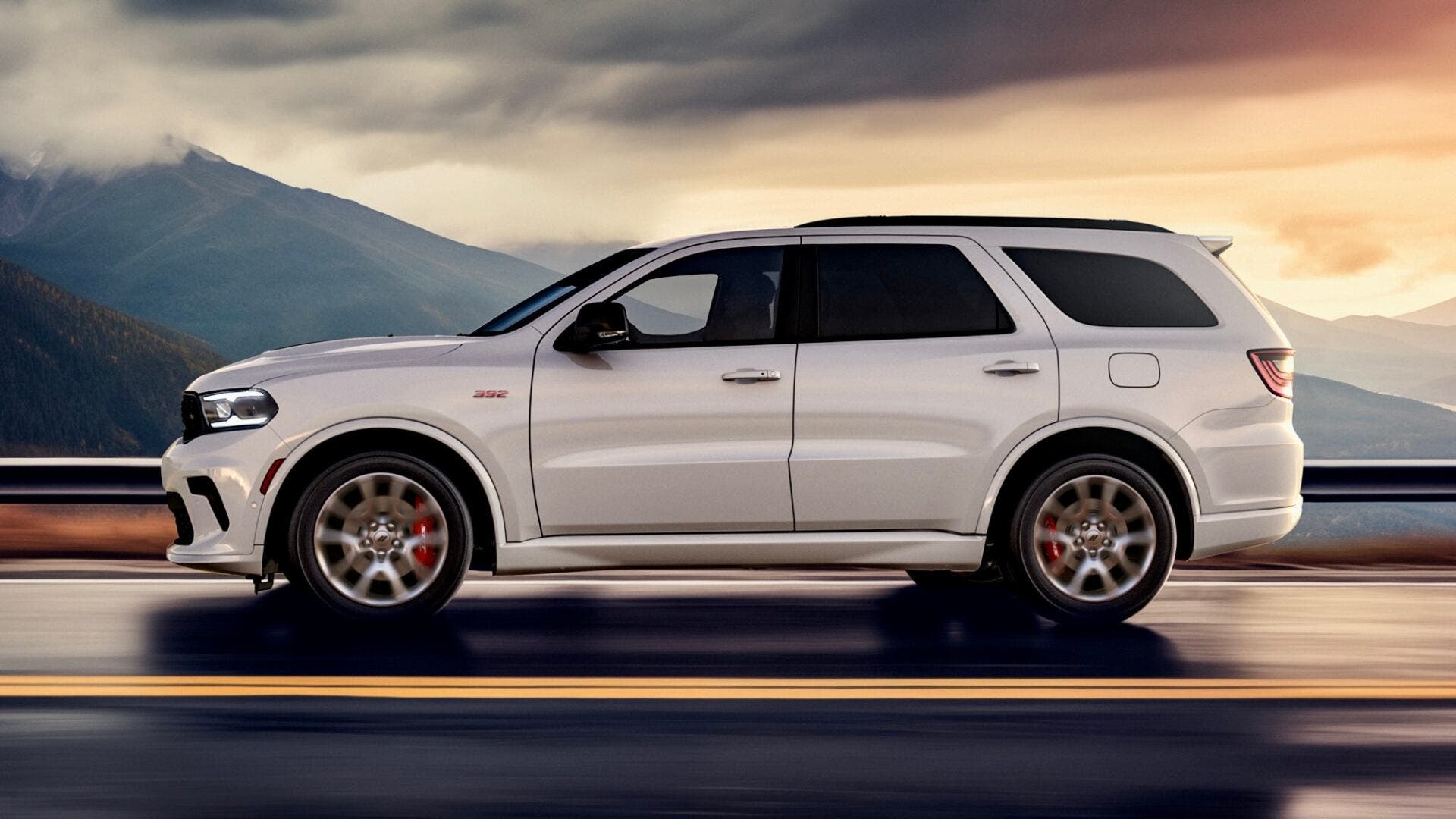
The V8’s performance and towing capability, combined with a three-row format that remains smaller than full-size SUVs such as the Chevrolet Tahoe and Ford Expedition, allow the Durango to occupy a space that very few models cover with the same formula. The next generation is not expected before 2029, which means the current model will need to remain on sale for at least three more years. In light of the recent results, that prospect now looks far less problematic than it did even twelve months ago.