Canada has just made a decision that is bound to spark debate, especially in the United States. Ottawa has chosen to ease tariffs on electric vehicles produced in China in exchange for concessions in the agricultural sector. The move disrupts the balance in North America and, somewhat paradoxically, could benefit Western brands more than Chinese ones.
Canada lowers tariffs on Chinese EVs in strategic trade shift
Under the agreement, Canada will allow the annual import of around 49,000 electric vehicles from China with a reduced tariff of 6.1%, down from the previous 100% rate that effectively blocked their entry. Many expected this opening to flood the market with unknown low-cost Chinese models, but the reality looks quite different. The biggest winners may actually be brands consumers already know well.
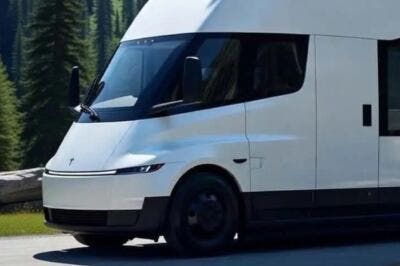
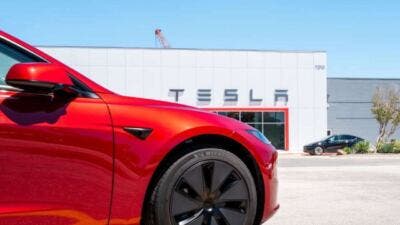
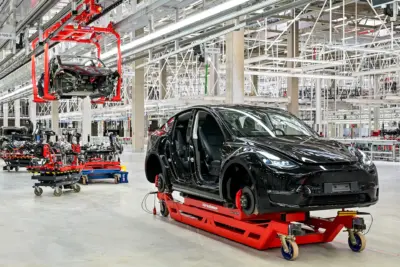
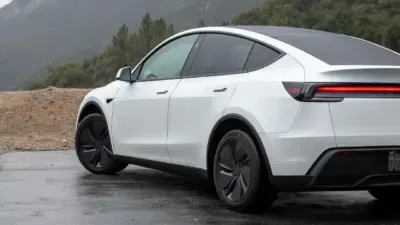
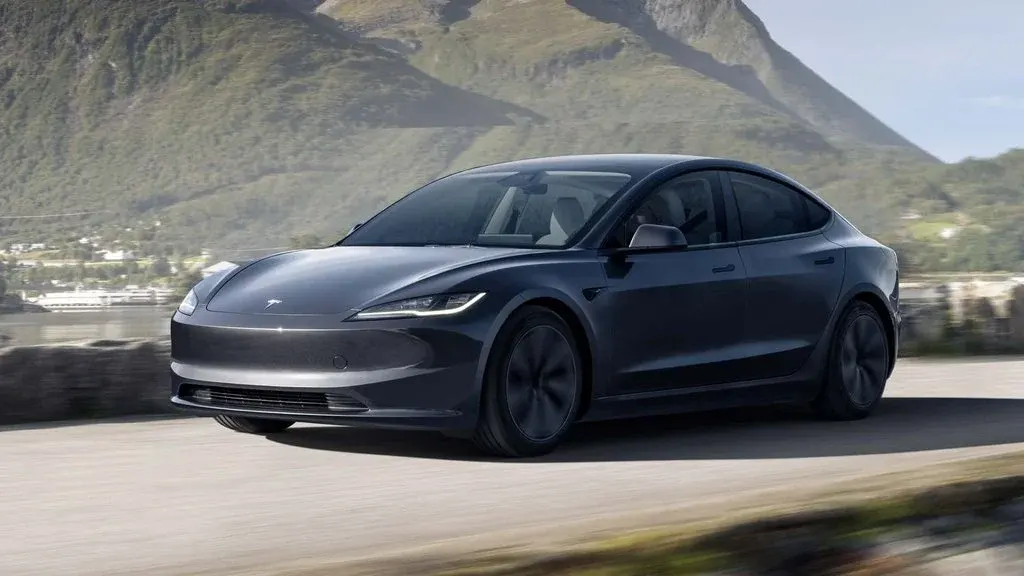
Tesla stands out as one of the main beneficiaries of the decision. In the past, the company imported thousands of Model 3 and Model Y vehicles from its Shanghai plant for the Canadian market, before tariffs made the operation uneconomical. That scenario now becomes viable again, thanks to significantly lower production costs compared to North American or European factories.
A similar situation applies to the Geely Group, which owns Volvo, Polestar, and Lotus. All three brands already meet North American homologation standards and can take immediate advantage of the new rules. The most striking case is Lotus: its electric Eletre SUV, built in China, could see substantial price cuts, with some estimates suggesting reductions of up to 50%. Polestar, which had previously rushed to reorganize its production to avoid tariffs, also stands to benefit from the new framework.

Behind the decision lies a broader strategy. Canada agreed to open its market to Chinese-built vehicles in exchange for agricultural concessions, particularly involving canola exports. The government also pledged to streamline homologation procedures to speed up the introduction of new models. In addition, by 2030, half of the vehicles imported under this scheme must carry a price below 35,000 Canadian dollars. The goal is to bring truly affordable electric cars back to the market, an entry-level segment largely abandoned by Western automakers.
This move marks a clear departure from the U.S. approach, even as Donald Trump appears to be softening his stance on Chinese manufacturers. While the United States weighs its next steps, Canada is betting on free trade and accepting the risks of tougher competition. In the short term, consumers stand to benefit, but it remains to be seen how domestic industry will respond once Chinese brands, or Western brands producing in China, begin to make a real impact.