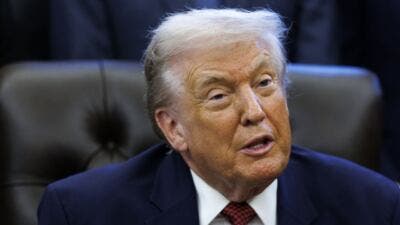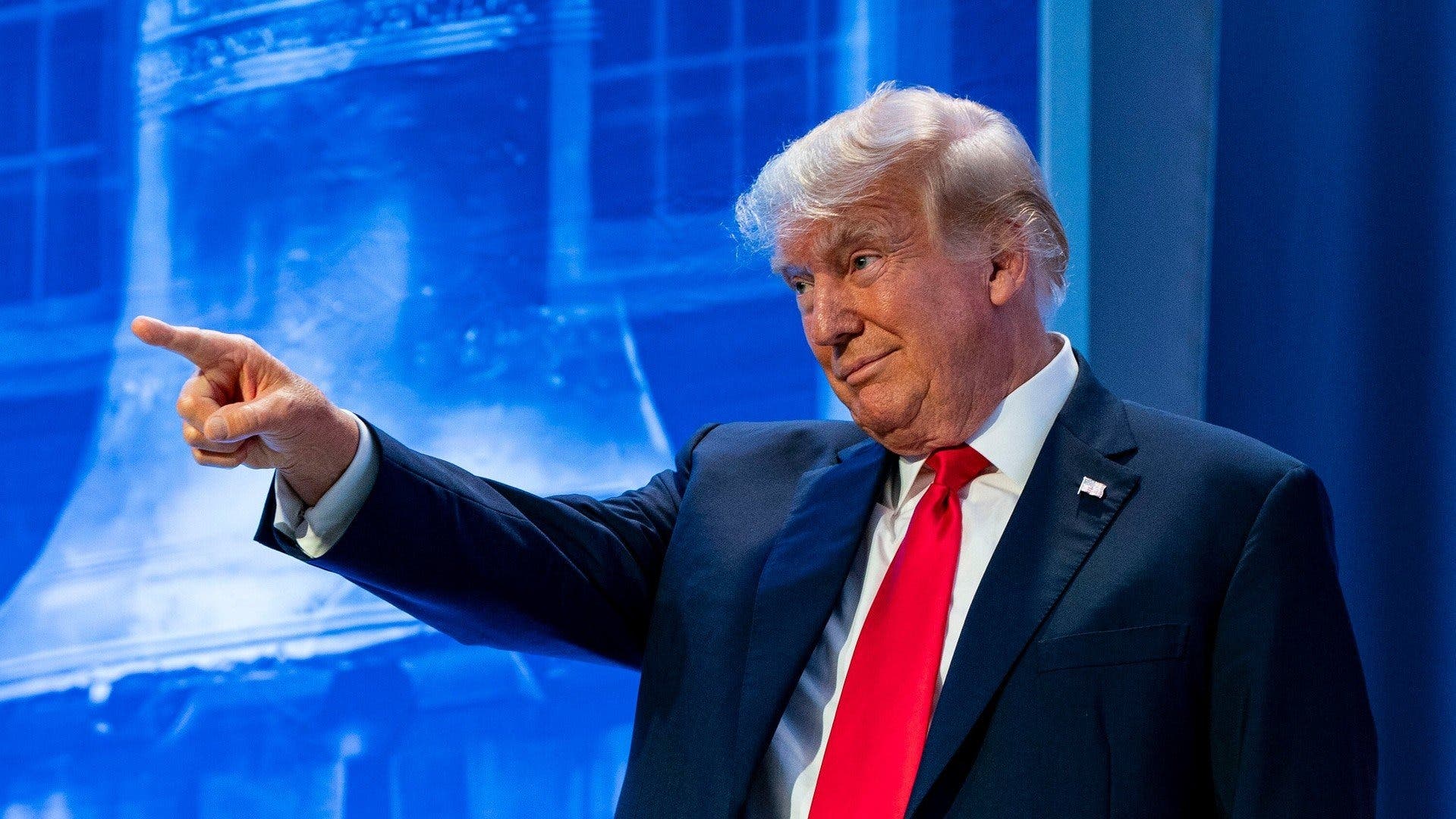
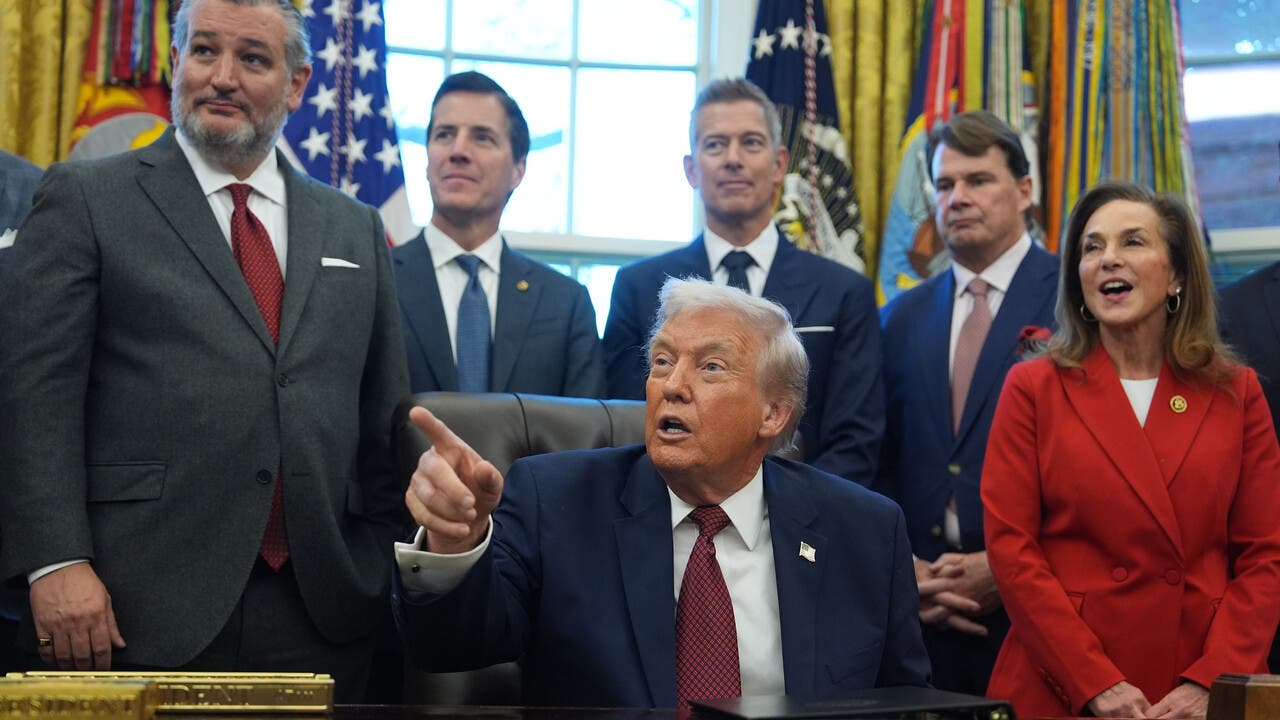
Donald Trump has long built much of his political rhetoric around direct confrontation with China, especially when it comes to industry and trade. Yet during a recent speech in front of top U.S. automotive executives in Detroit, he surprised many with remarks that sounded almost like a historic opening. Chinese automakers, he said, can enter the United States, but only if they build their vehicles on American soil and hire American workers.
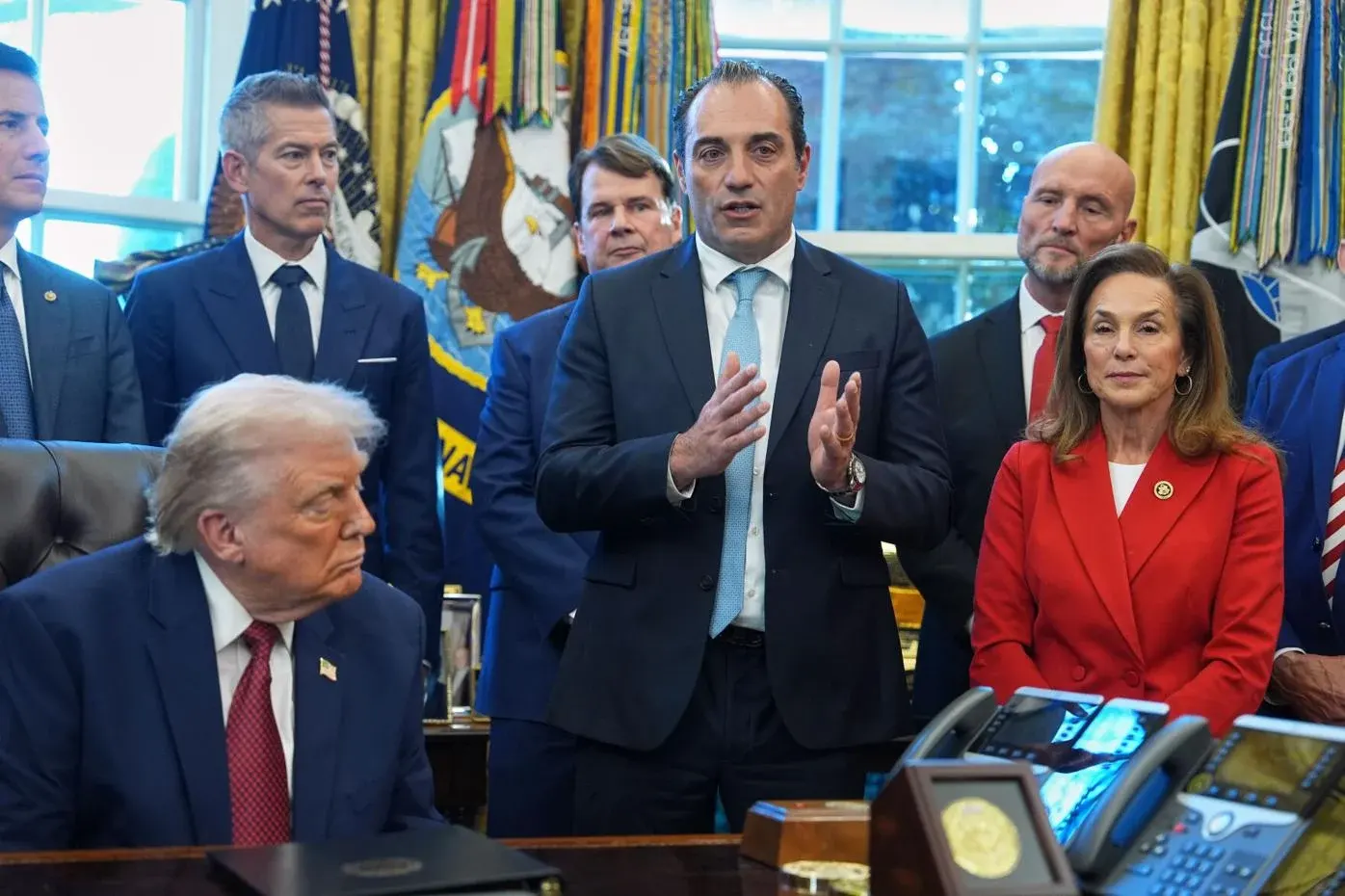
The statement left more than a few executives puzzled, particularly among representatives from Ford, General Motors, and Stellantis who were in attendance. Still, this was not a sudden contradiction. Rather, it reflects a strategy that is evolving in form. Trump no longer appears focused on sealing the market behind insurmountable barriers, but instead on capturing the economic value generated by China’s automotive industry and bringing it directly to the United States.
Trump opens the door to Chinese carmakers in the U.S., with conditions
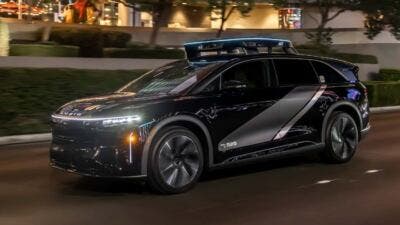
The context has clearly changed. Chinese automakers no longer play the role of inexperienced outsiders. On the contrary, they now arrive with industrial strength and technological capabilities that are evident to all. The latest CES in Las Vegas offered a clear example, with Chinese brands dominating the scene. Even Ford CEO Jim Farley admitted he has been driving a Xiaomi SU7 imported from China for months, calling it a concrete answer to what Apple failed to achieve in the automotive space.
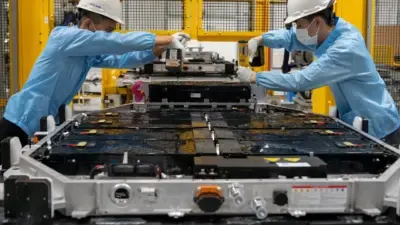
BYD, already the world’s leading electric vehicle manufacturer ahead of Tesla, is seriously considering building a plant in the United States. Geely, which controls brands such as Volvo and Polestar, is also evaluating a direct entry into the U.S. market with its own brand. These are not vague hypotheses. These groups hold a real advantage in batteries, software, and technological integration, areas where Detroit is still trying to catch up.
Trump’s move therefore looks like a high-stakes gamble. On one hand, it promises new jobs and potentially more affordable vehicles for consumers. On the other, it exposes historic American brands to fierce competition on their home turf. A cultural shift is already underway. Younger buyers show fewer prejudices toward Chinese brands and place greater value on price, technology, and connectivity than on the badge on the hood.
The idea of a young Midwesterner buying a Chinese-built SUV assembled in their own state no longer sounds far-fetched. And that is precisely what worries American automakers, now forced to defend their territory against rivals fluent in the language of electrification and software.
In the end, the strategy is not entirely new. In the 1980s, Japanese manufacturers followed a similar path to bypass tariffs and conquer the U.S. market. The difference today lies in the scale of the challenge. Chinese automakers are not arriving with factories and capital alone, but with a technological edge that could reshape the balance of the global automotive industry. And this time, the battle may prove far tougher for Detroit than expected.