Antonio Filosa used his visit to Brazil to underline just how central South America has become to Stellantis’ global balance. Today, the region accounts for about 20 percent of the group’s total revenue and in 2025 it moved past the one-million-vehicle mark in annual sales. South America is no longer just an important market for a few brands inside the Stellantis portfolio. It now contributes directly to the growth and profitability of the entire company, and management is treating it with a level of attention that only a few years ago was reserved almost entirely for Europe and North America.
Antonio Filosa says South America is now central to Stellantis’ global business

During his remarks, Filosa stressed the need to protect Brazil’s industrial competitiveness and called for action to close the gap that currently weighs on the country’s automotive sector compared with other markets. He said Stellantis wants to build fairer competitive conditions and support growth across the whole supply chain, from automakers to suppliers and related industries, through measures that can strengthen Brazil’s industrial base over time. Stellantis has been pushing this position with increasing insistence, and it ties directly to the investments the group is making in the region.
Stellantis is carrying out a 32 billion real plan in South America, the largest investment program ever launched in the history of the region’s auto industry. In 2026, the group expects to introduce 16 new models and model updates. Among those launches will be vehicles equipped with bio-hybrid technology developed and produced directly in Brazil. That detail confirms that the group also sees the country as a laboratory for technical solutions tailored to local conditions and potentially transferable to other markets.

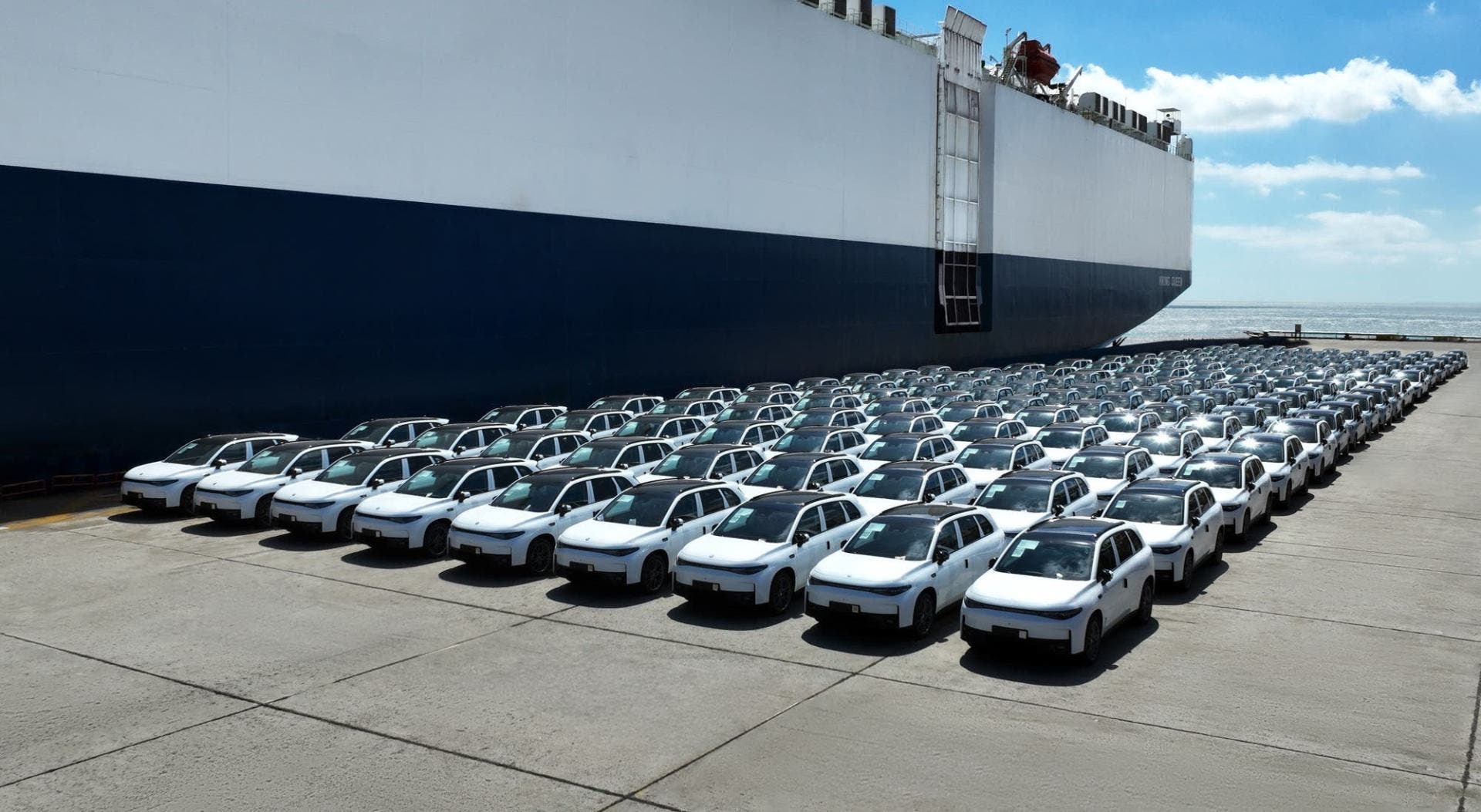
Recent decisions tied to Leapmotor reinforce that picture even more. Stellantis has confirmed local production in Brazil of the B10 and C10 SUVs, along with the development of the world’s first REEV Flex technology, effectively bringing its Chinese partner into the group’s South American industrial system. That move says a great deal about how Stellantis is using Brazil not just as a destination market for vehicle sales, but as a platform where it can concentrate investment, technological development, and new partnerships. In doing so, the company is building an increasingly important part of its broader industrial strategy in the region.