

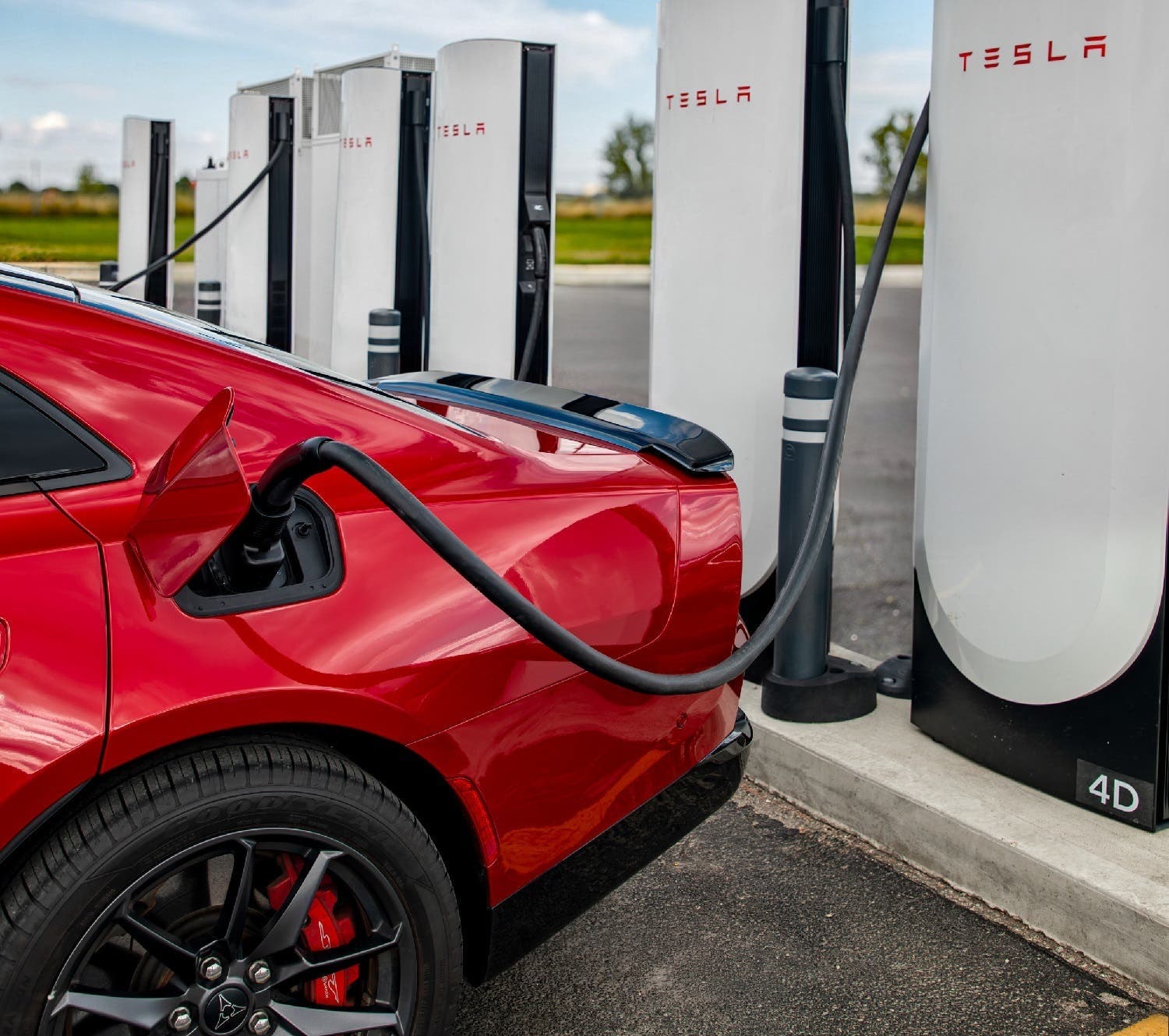
EV charging infrastructure in the United States is preparing for a generational leap that today’s vehicles still cannot fully exploit. While most electric cars sold in North America accept peak charging rates between 350 and 500 kW, several operators are already preparing networks capable of delivering 600 kW and more, with systems designed to reach up to 1.2 MW ahead of the arrival of electric trucks such as the Tesla Semi, heavy commercial vehicles and future high-performance EVs.
Ultra-fast EV chargers are coming to America, but cars are not ready yet
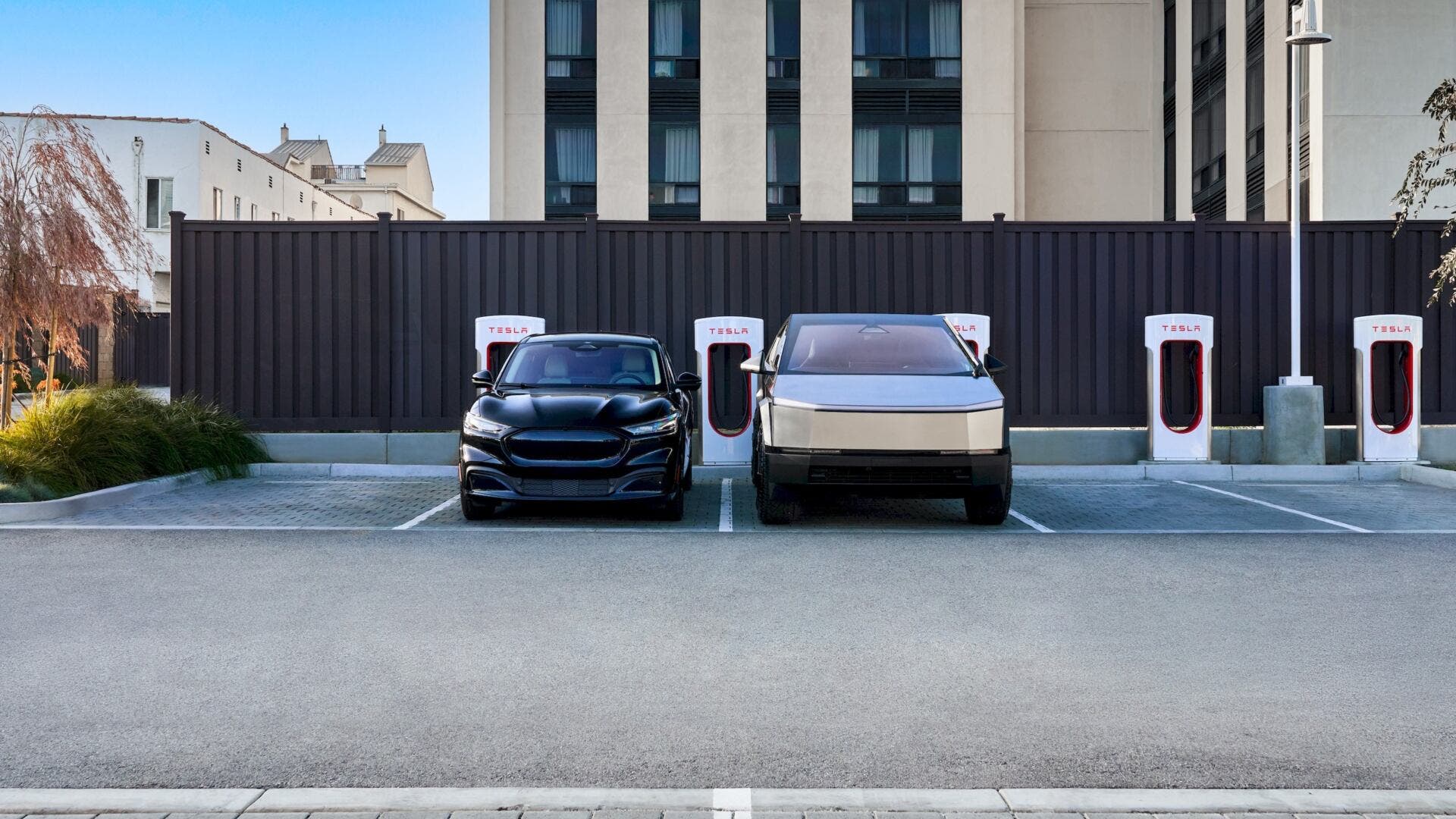
In April, ChargePoint introduced what it calls the world’s fastest standalone charger, capable of delivering 600 kW without requiring an external power cabinet. ABB has announced plans for 1.2-MW charging stations, while Kempower has shown a system equipped with a Megawatt Charging System connector rated up to 1.2 MW and a 560-kW CCS outlet.
Alpitronic is also preparing to bring units to the United States capable of reaching 1,000 kW for heavy-duty vehicles and 600 kW for passenger cars. Tesla, which for years kept its Superchargers between 250 and 325 kW, has also started rolling out new V4 stations rated at 500 kW.
These high power levels do not only address the need to shorten charging stops for individual vehicles. They also allow smarter energy distribution across multiple occupied stalls at the same time. In practical terms, if an older EV can absorb only 55 kW and a newer model can accept up to 400 kW, the system can assign each vehicle the right amount of power without waste and without penalizing other users connected to the same station.
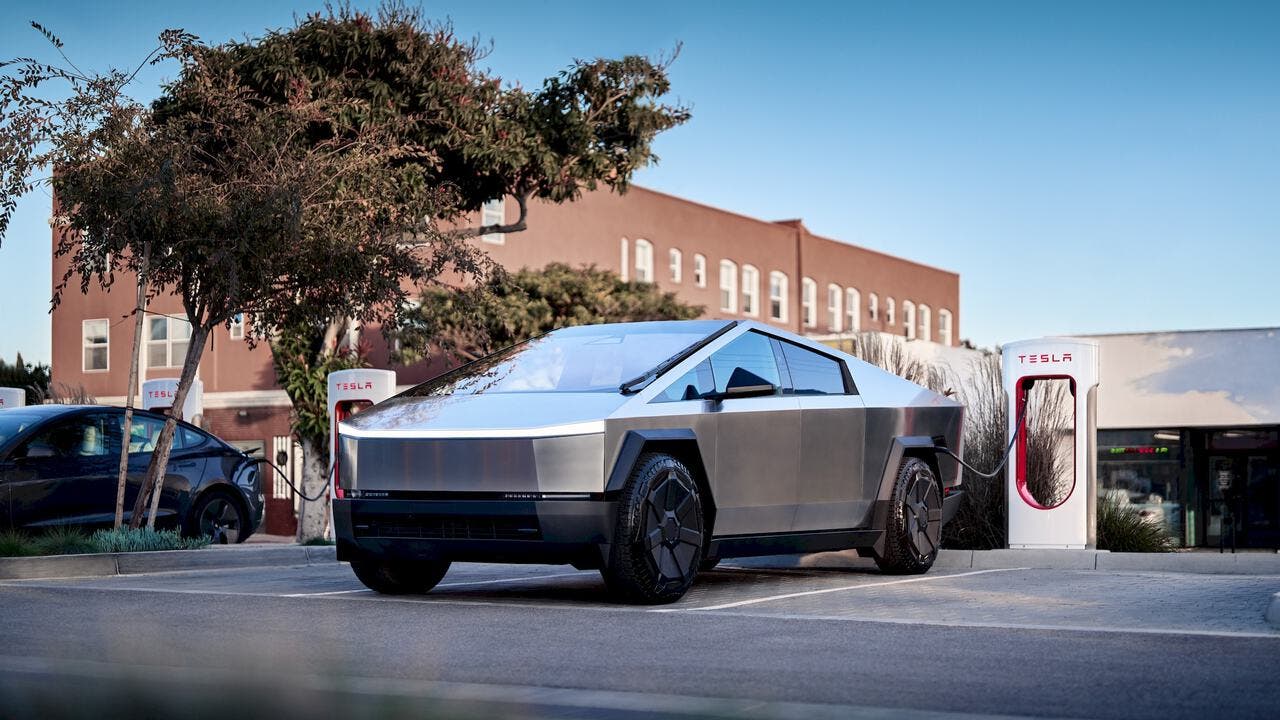
The main limit remains vehicle-side compatibility. The Tesla Cybertruck has reportedly been seen reaching around 500 kW on V4 Superchargers, although official specifications indicate a lower figure. Some of the most advanced models on the market, including the Lucid Gravity, Porsche Cayenne Electric and BMW iX3, remain around the 400-kW mark. In China, the picture already looks different, with BYD introducing 1.5-MW Flash Charging stations and Geely working on similar systems.
North American operators are therefore investing well ahead of actual demand, betting on the arrival of a new generation of vehicles designed to accept significantly higher charging power than today’s EVs. That could also include Chinese electric cars equipped with particularly advanced charging technologies.
In short, infrastructure is moving faster than the products that will need to use it, and the challenge for automakers will be closing that gap before the technological advantage of these networks remains unused.