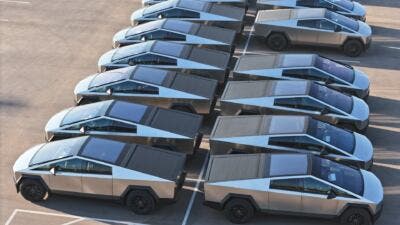
The Tesla Cybertruck appears to have ended the final quarter of 2025 with just over 7,000 units sold, a volume that falls far short of the expectations that surrounded the electric pickup at launch and even farther below the 250,000 annual units Tesla seemed to be targeting in the project’s early stages. What makes the figure more meaningful is the composition of those deliveries, because according to several reports, companies tied directly to Elon Musk’s wider ecosystem absorbed a notable share of the Cybertrucks that reached registration.
Tesla Cybertruck appears to depend heavily on Musk’s wider business empire

SpaceX, The Boring Company, Neuralink, and xAI reportedly bought around 1,350 units in the fourth quarter of 2025 alone, with several hundred more added in the first months of 2026. In some cases, such as SpaceX, a practical use aligned with the vehicle’s characteristics seems plausible. In others, the functional link appears far less obvious. Taken together, the pattern raises questions about how much Cybertruck demand is truly coming from the market and how much is instead helping support production volumes that would otherwise look even weaker.
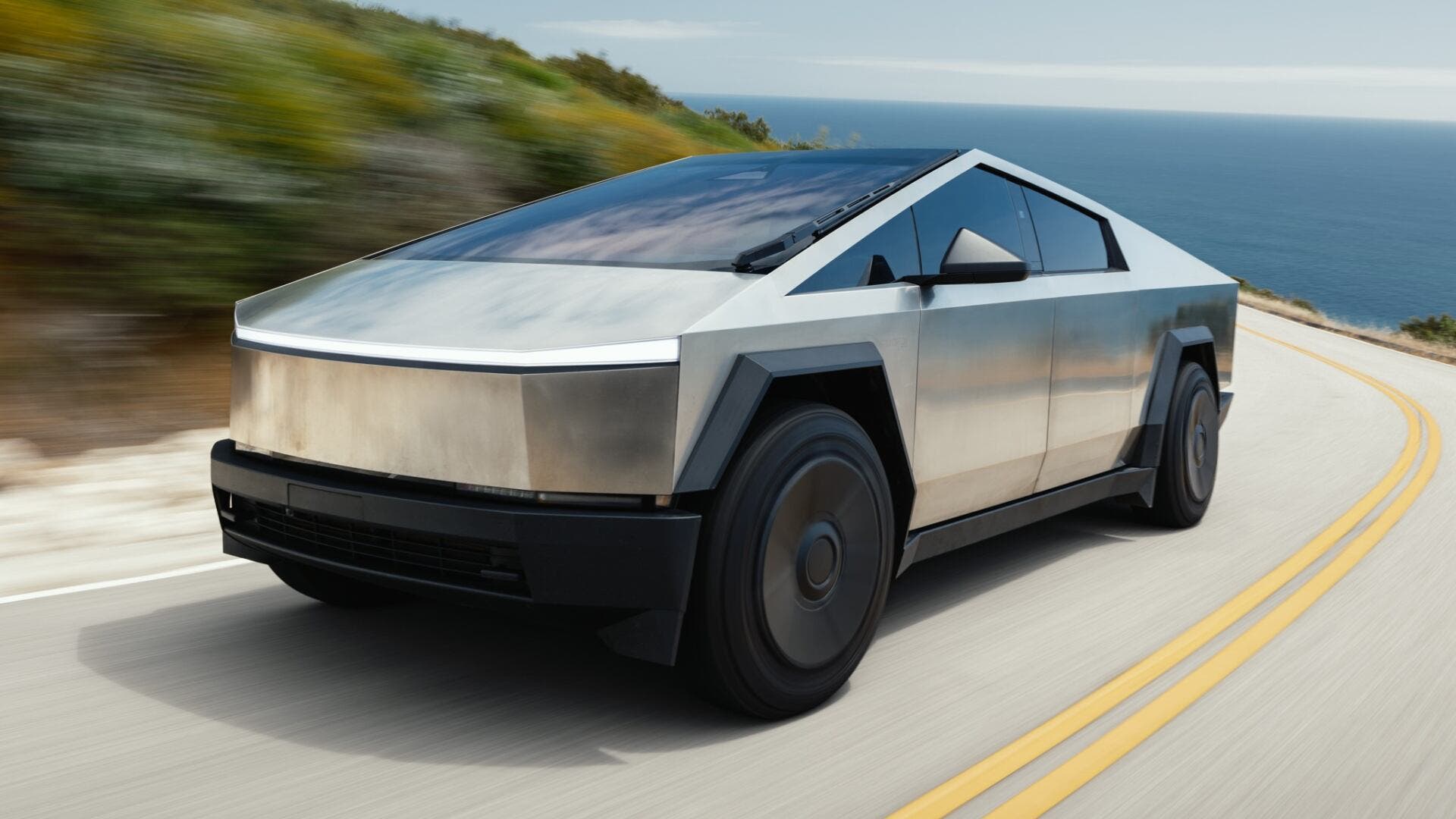
The contrast with the original projections is hard to ignore. Expectations have shrunk dramatically, and Tesla may need to align production with demand that now looks structurally lower than originally forecast. At the heart of that gap between expectations and commercial reality seems to be the distance between the Cybertruck’s visual impact and its suitability for everyday use. Its high price, oversized dimensions, and a level of practicality that many owners have judged inferior to traditional pickups have helped turn it into an object with strong symbolic force but limited commercial penetration, a model that generated huge media attention while struggling to produce sustainable volume.
The Cybertruck’s case also fits into a broader pattern now emerging in the U.S. auto market. Over the past few years, several automakers have invested in extreme, expensive, highly theatrical vehicles, assuming buyers would continue to absorb ever higher price tags. Changing economic conditions, with a higher cost of living, less accessible financing, and a stronger customer focus on real-world usefulness rather than visual impact, are now reducing the commercial sustainability of that approach. The market is increasingly rewarding models built around function and increasingly punishing those that relied above all on novelty value.