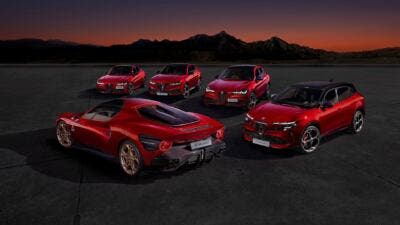
Italian registration figures between January and May 2026 clearly show the phase Alfa Romeo is currently going through. The brand recorded a 20% drop compared with the same period in 2025, while in May alone deliveries stopped at 1,789 units, down from 2,497 the previous year. The comparison with premium rivals in the same month widens the gap even further, with Audi at 7,535 registrations, BMW at 6,717 and Mercedes at 4,473. These differences reflect not so much a gap in prestige, but rather a disparity in the depth and freshness of the ranges on offer. Without wanting to twist the knife, another figure shows that the brand has lost as many as 150,000 annual registrations since 1990.
Alfa Romeo registrations fall again as the brand waits for new models
The Biscione still retains an emotional capital that very few brands can claim, built over decades of racing, sports saloons, coupés that became icons and cars that, for many people, represent personal memories before they are even seen as objects. However, the market does not live on heritage alone. In a context where new manufacturers, especially Chinese ones, are pushing hard on prices, technology and launch speed, brand identity by itself does not generate sales.
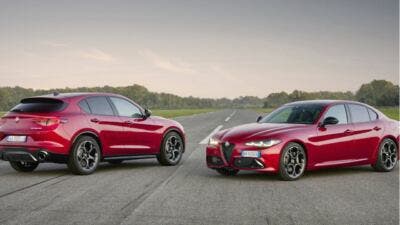
The Giulia and Stelvio still hold strong technical and symbolic value, especially in their Quadrifoglio versions, but after years of incremental updates and special editions, their commercial appeal has gradually weakened in the absence of a proper generational change.
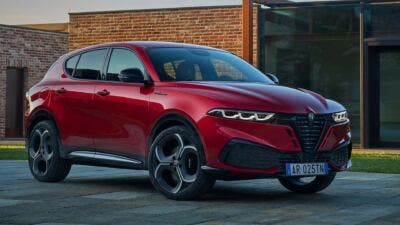
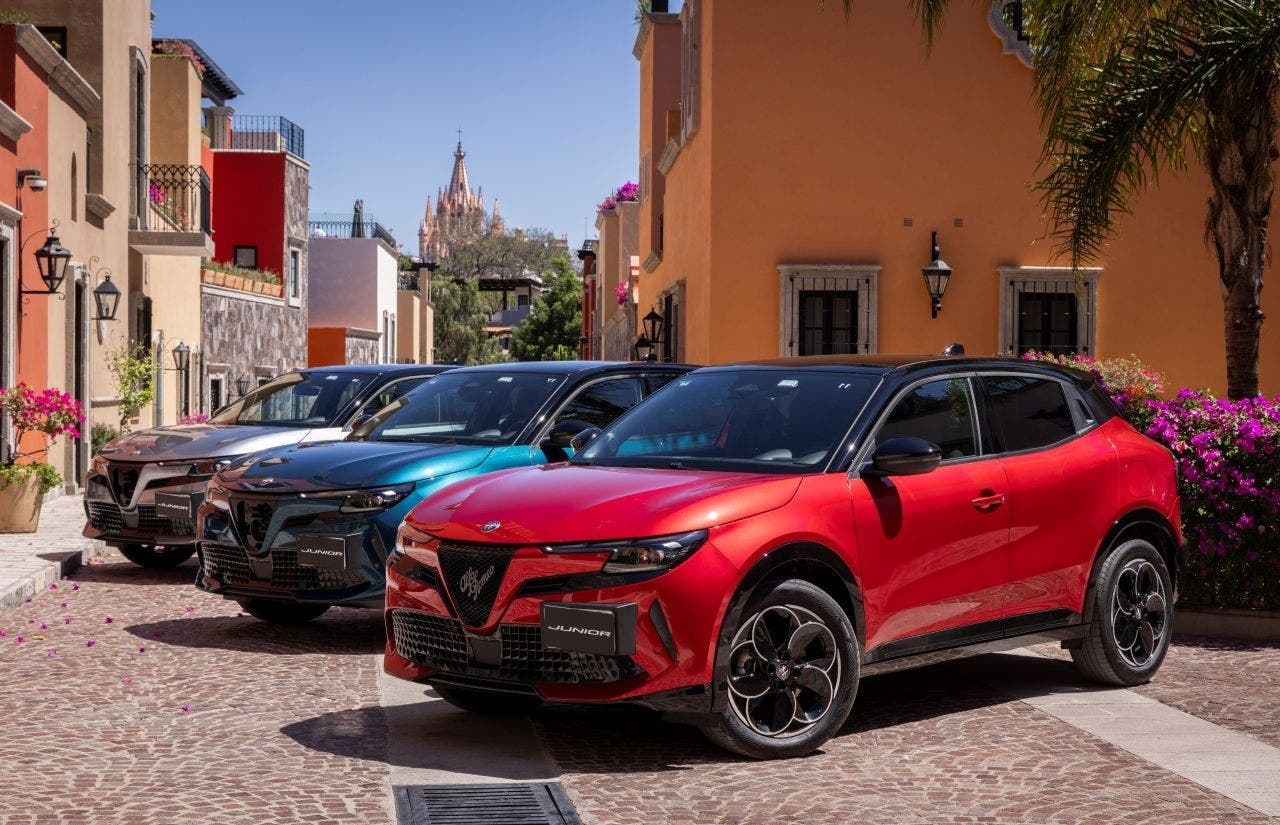
There are some signs of movement. The Junior is gaining ground in the compact SUV segment, while the Tonale facelift should correct some of the limits that emerged during the first phase of its commercial life. However, a real relaunch requires a more structured line-up and a defined industrial strategy.
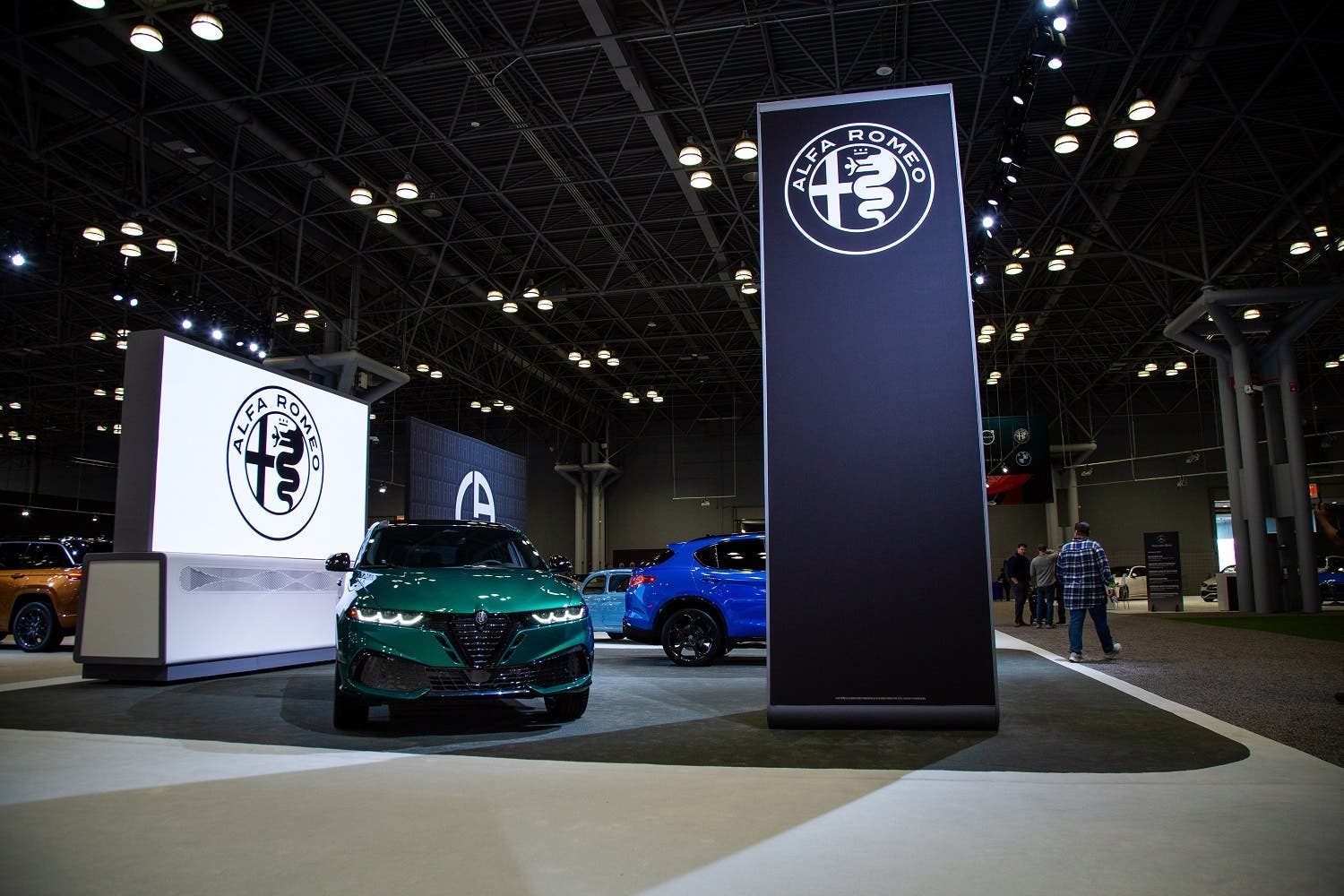
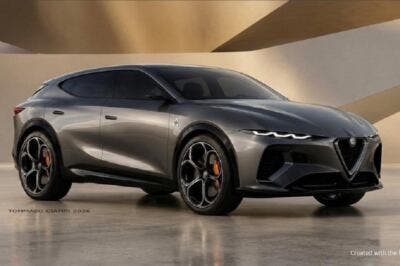
The FaSTLAne 2030 plan and the €5 billion investment announced by Stellantis in Italy by 2030 create a framework in which Alfa Romeo could find space through two central projects: the Tonale successor expected in Melfi from 2028 on the STLA Medium platform, and a future Giulietta that would bring the brand back into a historic and strategic segment for the European market. Emanuele Cappellano, head of Stellantis Europe, has outlined a production reorganisation that assigns upper-mid-range and luxury vehicles to Melfi, Cassino and Modena, giving Alfa Romeo a position consistent with its brand positioning.
The most delicate issue remains the future of the Giulia and Stelvio, whose absence from the industrial plan slides had fuelled strong concern among Alfa Romeo enthusiasts. The brand later clarified that a D-segment model is in development, and Cappellano reiterated the intention to keep both names in the range, but precise indications on timing, architecture and powertrains have not yet emerged.
Without these answers, the relaunch path remains incomplete, because Alfa Romeo needs new, recognisable models capable of translating its historical legacy into sustainable volumes.