From around 224,000 registrations in 1990 to an estimated 73,000 in 2025, Alfa Romeo’s commercial trajectory spans more than three decades of a progressively weakened line-up and relaunches that never truly consolidated. The figure, taken from a chart published on the Autopareri forum, captures a brand that still holds enormous symbolic appeal but struggles to turn that appeal into steady sales volumes.
Alfa Romeo needs more than heritage to reverse decades of decline
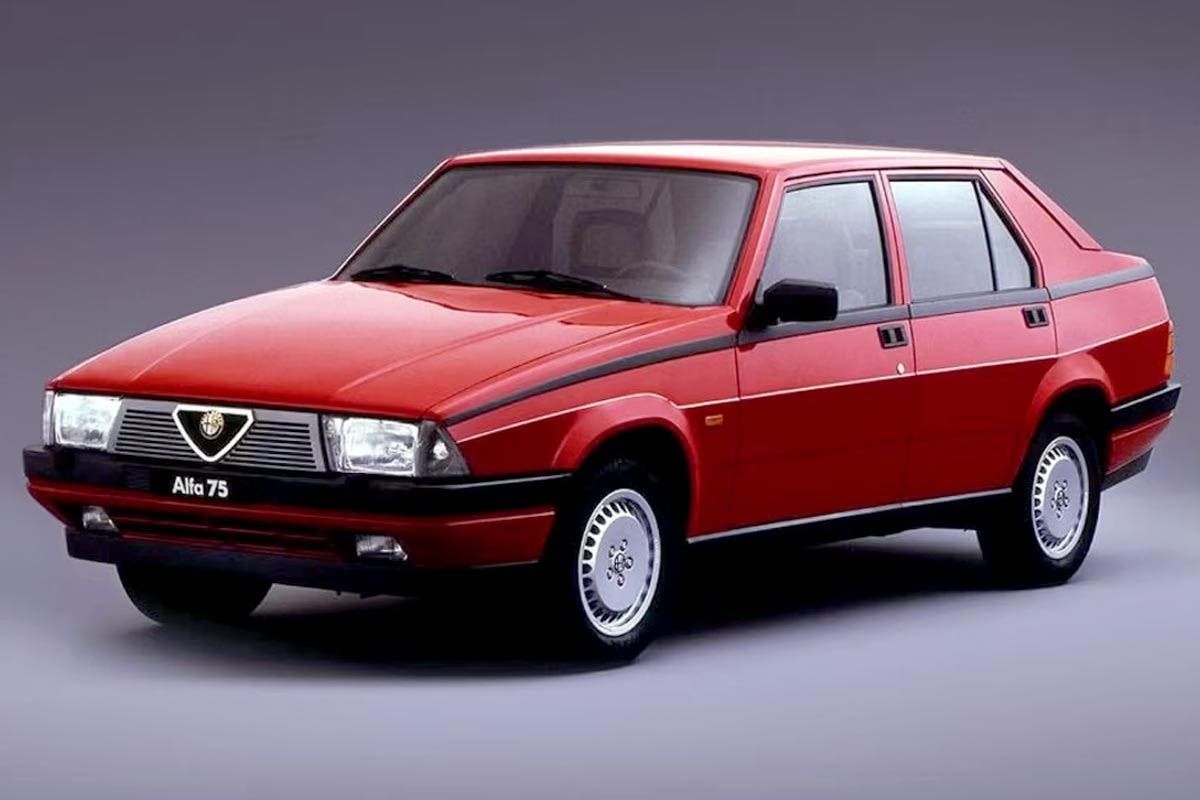
At the beginning of the 1990s, the Biscione could rely on a varied range. The 75 represented the last old-school rear-wheel-drive saloon, the 33 delivered volume in the compact segment, and the 155 built part of its legend through its DTM victory against the German manufacturers. A second positive phase came between the end of the decade and the early 2000s, when the 156 and 147, joined by the 166, GTV and Sportwagon versions, allowed the brand to cover several segments at the same time and maintain real visibility on European roads.
Alfa Romeo, however, failed to maintain that product continuity. Some models left the market without direct replacements, others arrived too late, and the range gradually became thinner. This reduced the brand’s ability to reach different types of customers and compete with German premium brands, which were expanding their line-ups in every direction during the same period.
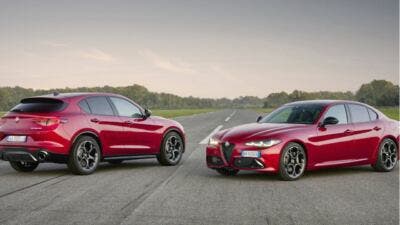
The relaunch with the Giulia and Stelvio, between 2017 and 2018, brought registrations back to around 120,000 units and showed that customers still paid attention to Alfa Romeo when the product felt credible. But without a wider supporting range, those two models could not carry the entire brand on their own. In 2022, with the line-up still limited, registrations fell to around 51,000 units, the lowest point in the historical series.
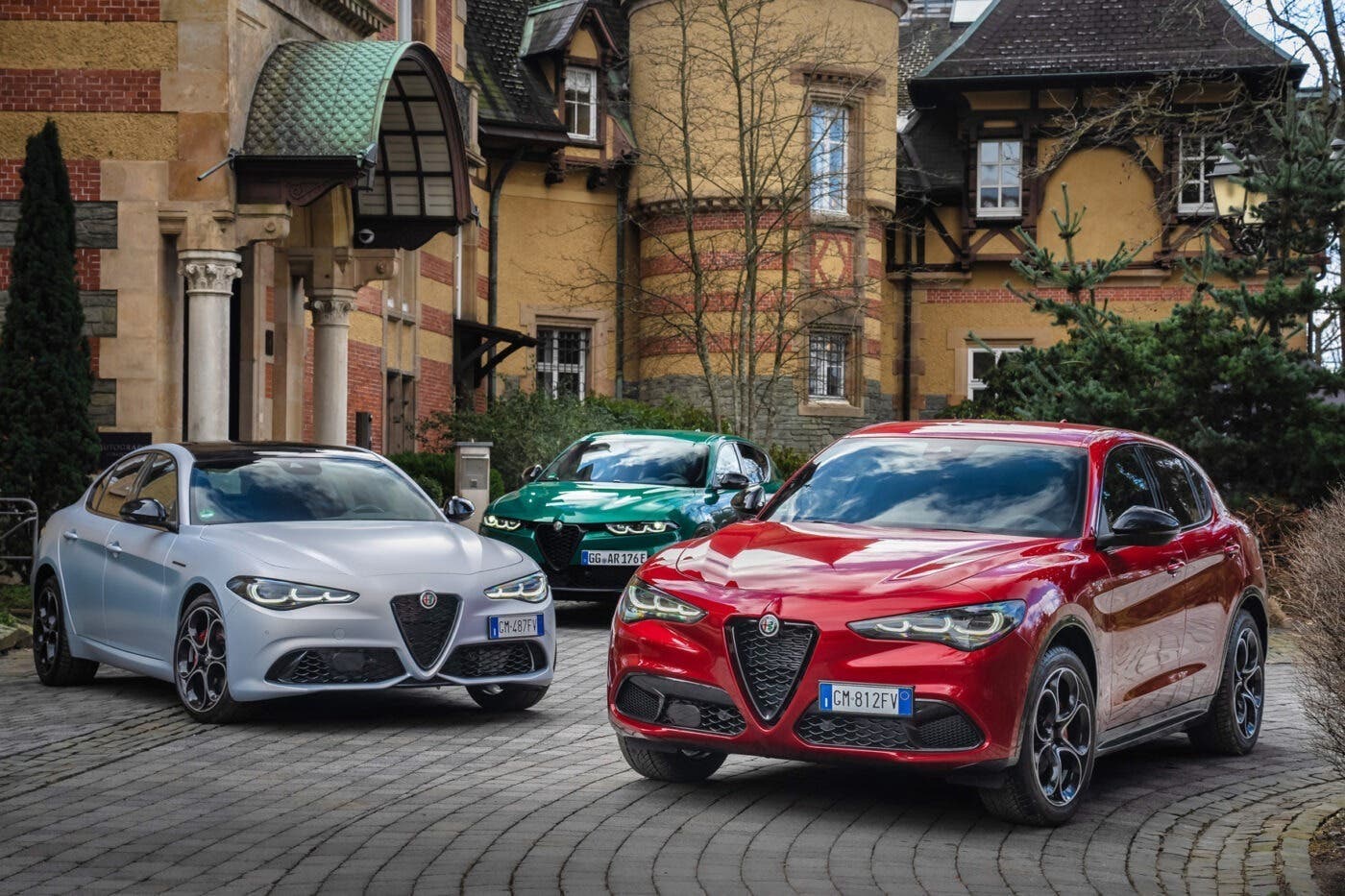
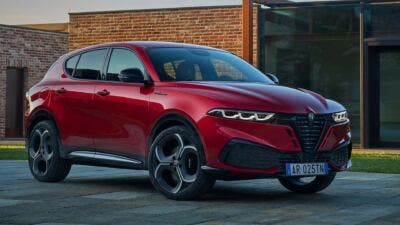
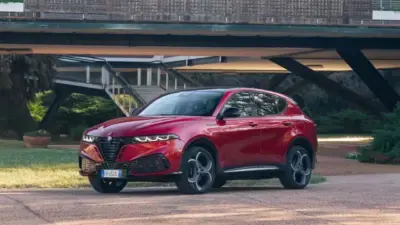
2025 brought a partial recovery, mainly thanks to the Junior, which allowed Alfa Romeo to enter the B-SUV segment and reach a more accessible part of the market. Alongside it, the Tonale covers the C-SUV segment without dominating an extremely crowded category, while the Giulia and Stelvio continue to play an image-building role with limited volumes.
To truly reverse the trend, Alfa Romeo would need what it has lacked most often over the last few decades: a stable and sufficiently broad range capable of covering the segments where the European market generates the highest volumes. Over the next few years, a new C-SUV that will succeed the Tonale and a possible hatchback should arrive. Together with the Junior, Giulia and Stelvio, these models could restore a balance to the line-up that has been missing for a long time.
The challenge will remain double. Alfa Romeo must increase its commercial presence without diluting the identity built around driving pleasure and sporty character, which still represents its strongest distinctive asset.