On May 21, Antonio Filosa will present Stellantis’ new strategic plan, an event that could also offer meaningful clues about Alfa Romeo’s future. The presentation may not go deep into every single brand, but it is just as plausible that Santo Ficili will provide more specific guidance soon afterward on the direction Alfa Romeo intends to follow in the coming years, a step that industry observers and brand enthusiasts have been waiting for for months.
Alfa Romeo is heading into a crucial month that could finally bring answers
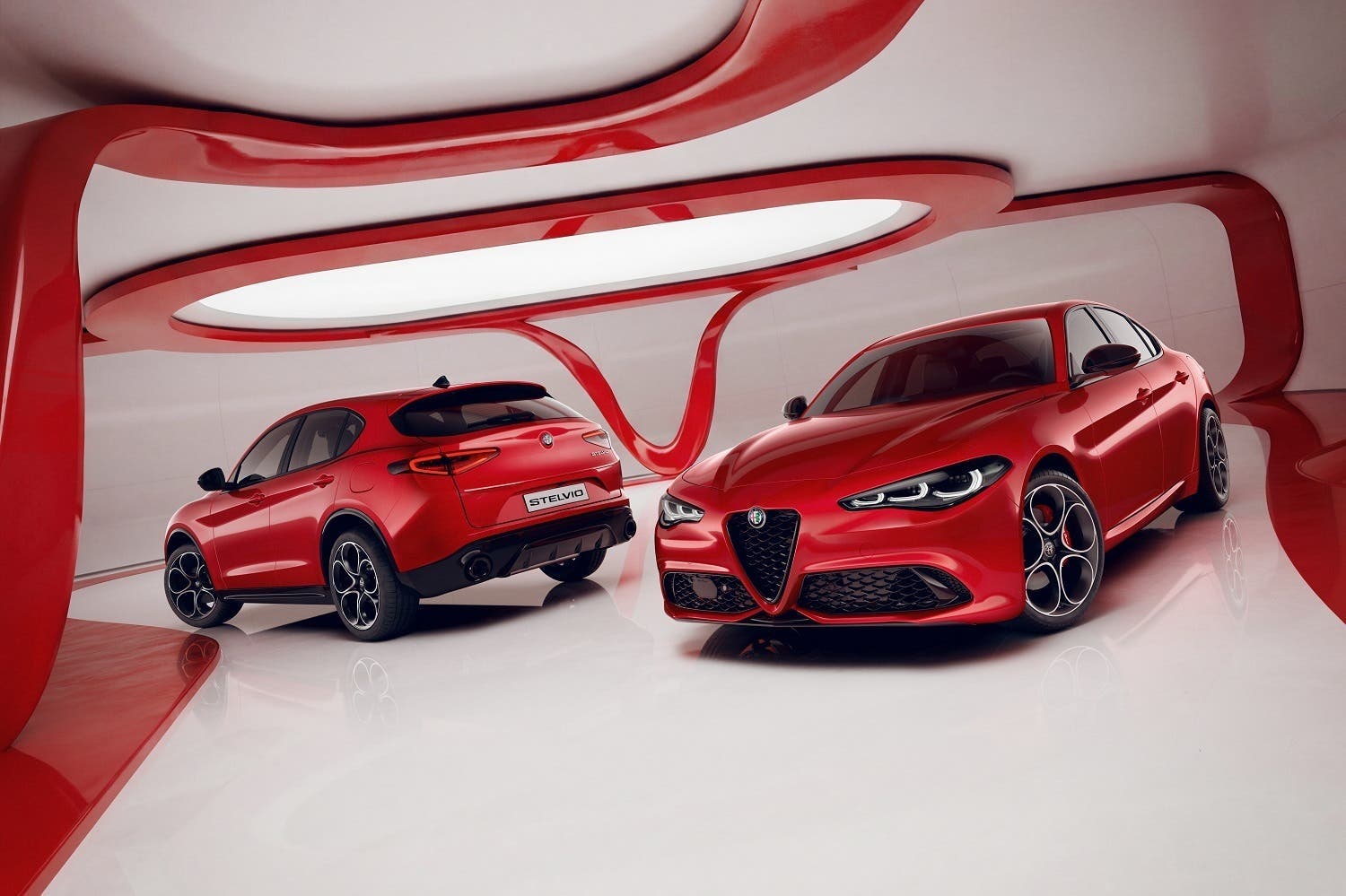
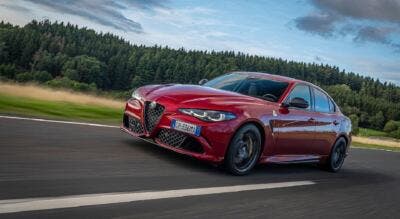
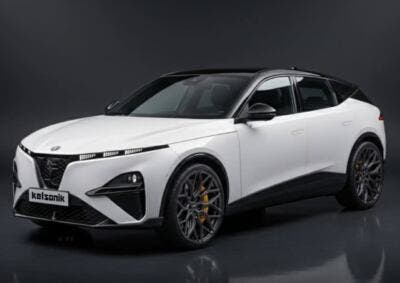
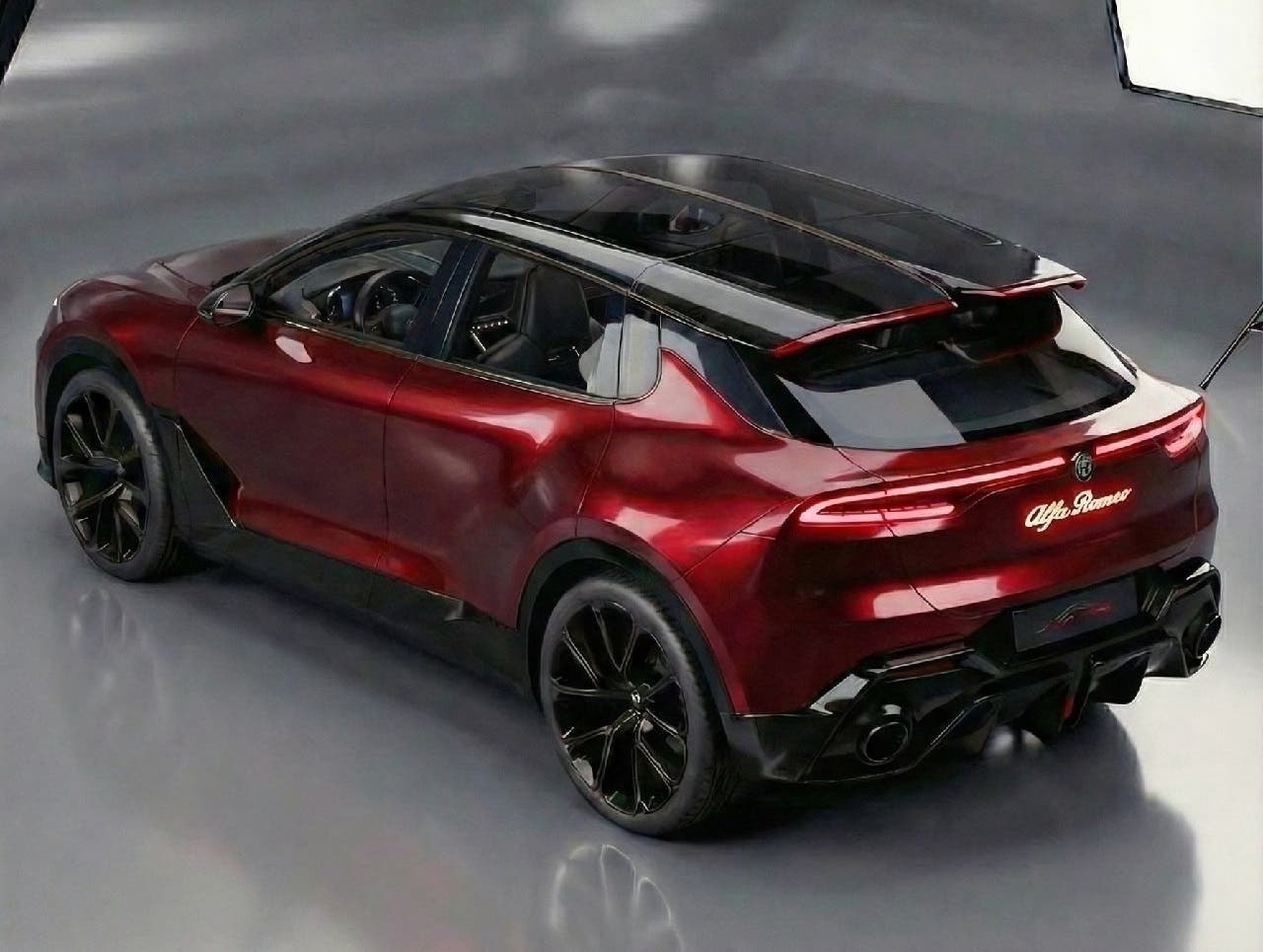
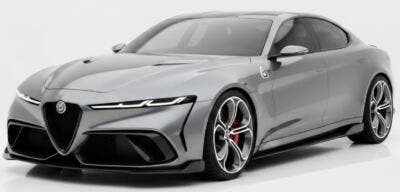
Most of the attention centers on the Giulia and Stelvio, the two most anticipated models of Alfa Romeo’s next phase. Reports continue to suggest major changes compared with the original projects, with rumors touching powertrains, design language, and even the technical platform on which the two models will be built. One of the key questions will be understanding when they will arrive and how much substance there really is behind the idea of a deep revision of the original plan. Any delay or major rethink would have direct consequences for Alfa Romeo’s ability to remain competitive in the European premium segment.
The picture, however, does not stop with those two flagship models. In the coming weeks, we may also learn which other vehicles Alfa Romeo plans to bring to market and how broad the future lineup will be. That issue will play a major role in shaping the brand’s image among both customers and dealers. Even more important will be understanding what role Stellantis wants Alfa Romeo to play inside the group. In the past, Alfa Romeo was presented as Stellantis’ global premium brand, but it remains to be seen whether the new Filosa-led phase will confirm that position or scale it back, especially at a time when margin pressure is weighing on the entire industry.
The decisions that emerge may do more than simply define the timing of future launches. They could also reshape Alfa Romeo’s overall weight within Stellantis, making it clearer whether the brand will sit at the center of a strategy with well-defined ambitions or whether it will continue to operate within a more uncertain perimeter. The difference between those two scenarios is significant, because it affects industrial investment, platform allocation, and international market coverage, starting with North America, where Alfa Romeo has gradually reduced its presence in recent years.
Enthusiasts are waiting for answers on timing, electrification, and the brand’s real prospects. After months of rumors, May could become the month when Alfa Romeo’s path toward a relaunch finally starts to take a more readable shape.