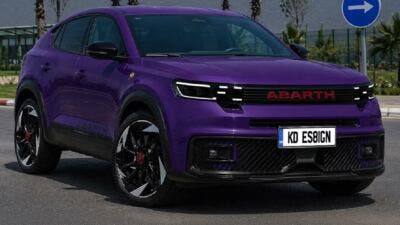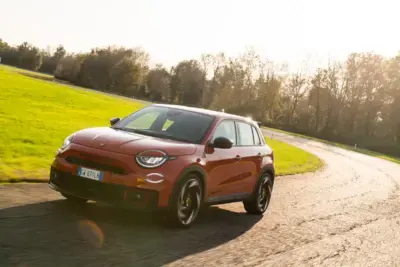
Abarth is considering a return to combustion power, but the current Fiat 500 presents technical and financial obstacles that make a gas-powered performance version difficult to justify. Olivier François confirmed that the brand is exploring the idea, while suggesting that its first new combustion model could use a different Fiat as its foundation.
Abarth wants combustion engines back, but the Fiat 500 is a major problem
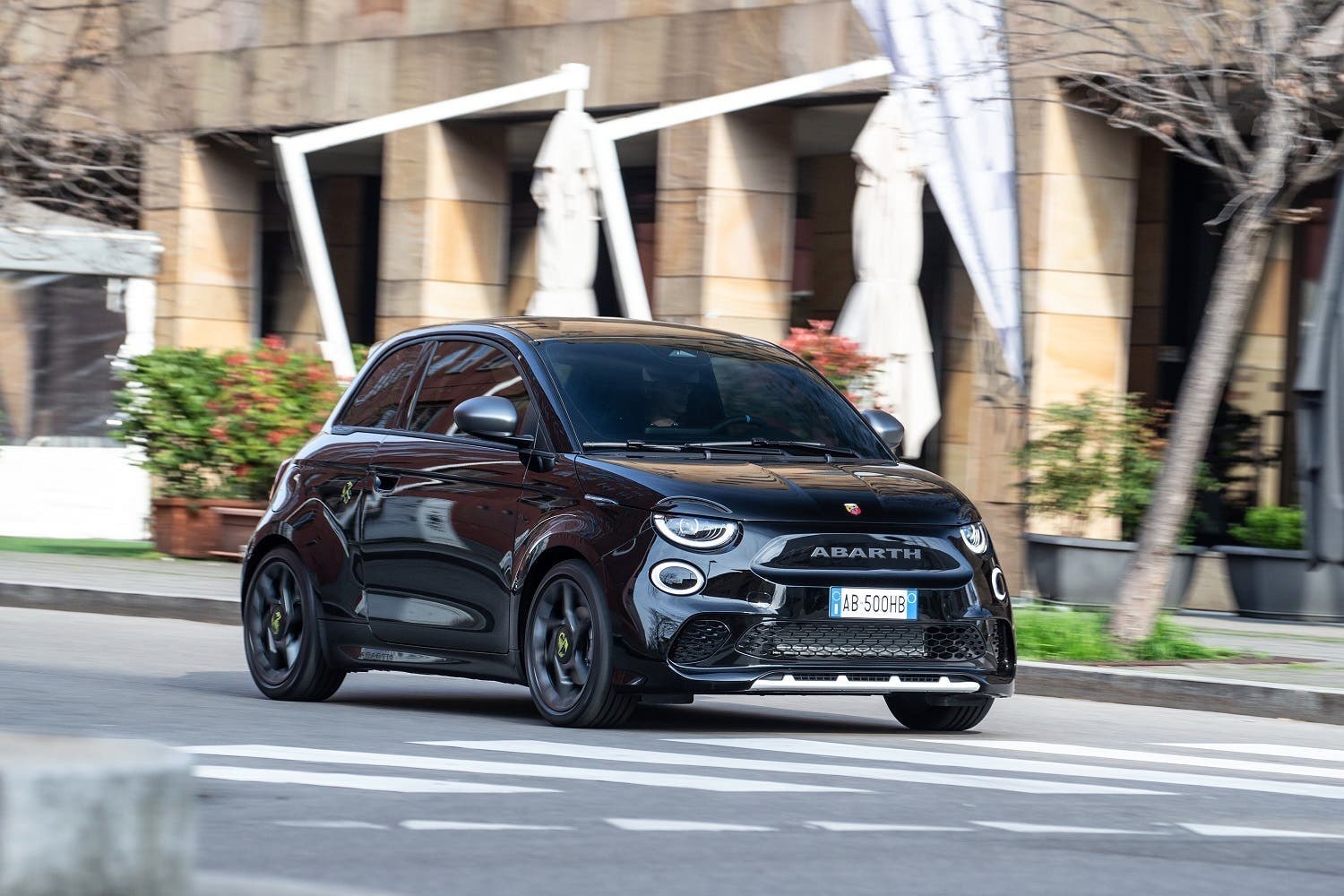
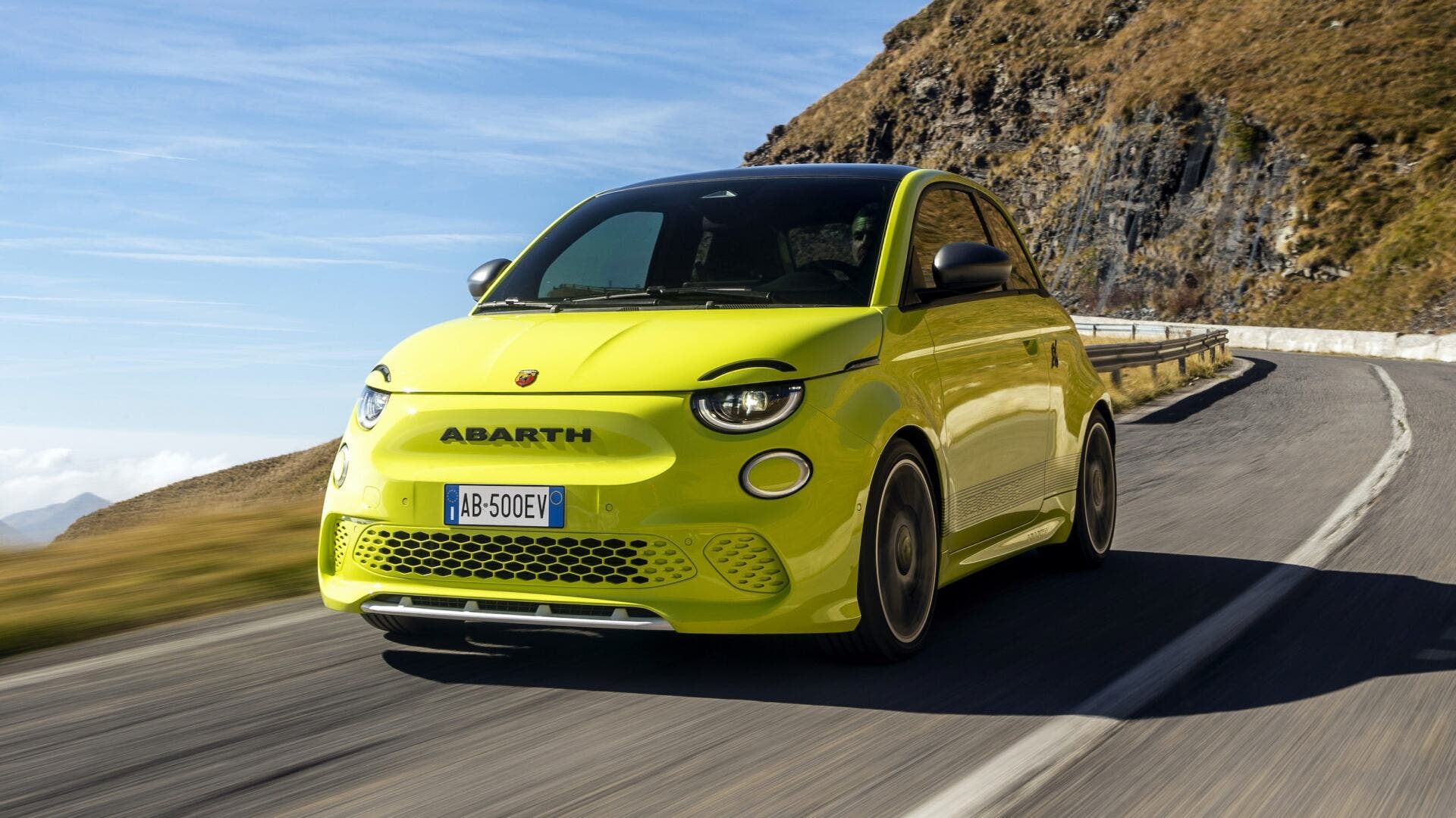
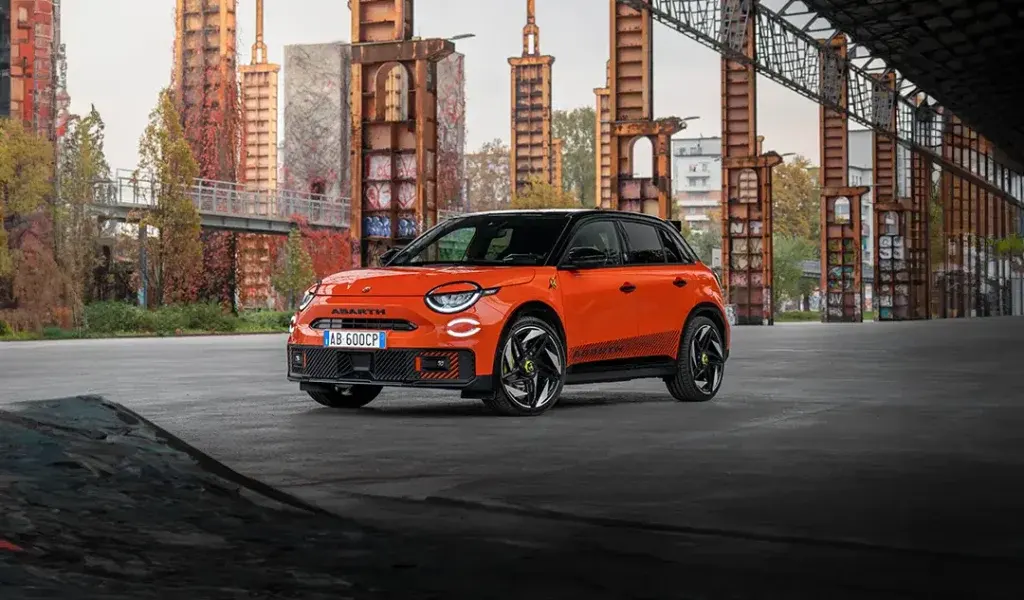
The Scorpion lineup has been fully electric since 2023, when production of the previous Fiat 500 ended along with the Abarth 595 and 695. The 153-hp 500e and 276-hp 600e replaced them, offering strong acceleration but a very different driving experience from the earlier turbocharged models.
The difference goes beyond engine noise. Gas-powered Abarths built much of their character around low weight, sharp mechanical responses, and relatively easy modifications to the suspension, exhaust, and engine. That tuning potential, supported by decades of aftermarket upgrades and enthusiast gatherings, made the 595 and 695 accessible performance cars for a broad community.
The electric models must carry considerably more weight. The 500e weighs around 2,943 pounds, while the 600e approaches 3,750 pounds. Their power and torque offset some of that extra mass, but they cannot fully reproduce the agility and responsiveness of a lighter car.
Installing a high-performance engine in the current 500 would require far more than a conventional powertrain update. Fiat originally designed the model as an EV, and even developing the later Hybrid version required extensive modifications to accommodate a naturally aspirated 1.0-liter three-cylinder engine producing just 64 hp.
An engine comparable to the previous 177-hp 1.4-liter turbo used in the 695 would require a different cooling system, a suitable transmission, and major suspension and brake upgrades. Fiat would also need to put the entire vehicle through a new homologation process, creating costs that would be difficult to recover from the relatively limited sales of a small performance car.
François openly acknowledged the complexity of converting the current 500, reducing the chances of an immediate combustion-powered Abarth based on this generation. The situation could change with its successor, expected around 2030 and likely designed from the start to support multiple powertrains.
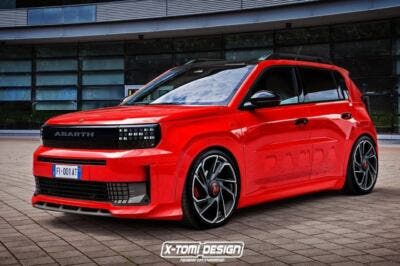
The Fiat 600 offers a technically simpler alternative. Its platform already supports electric, hybrid, and gasoline powertrains, reducing the number of changes needed to develop a combustion-powered Abarth. Its larger body and more practical cargo capacity would also make it easier to use every day without sacrificing performance.
A gas-powered Abarth 600 remains unconfirmed, and François provided no details about engines or timing. However, his reference to alternatives beyond the 500 makes the 600 appear more realistic than an immediate conversion of the smaller model.
A return to gasoline would not necessarily end Abarth’s electric strategy. The brand could offer both powertrain types, reconnecting with traditional performance enthusiasts while continuing to develop its battery-powered lineup.