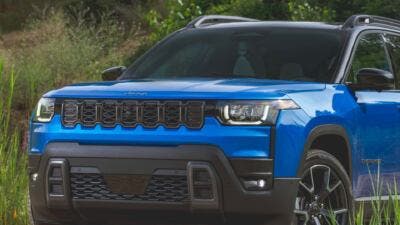
The return of the Jeep Cherokee is crucial to the brand’s relaunch plan in the United States. The name is set to come back with the sixth generation, internally identified as Cherokee KM, expected as a 2026 Model Year. Its role will be central in a decisive phase for Jeep, which is aiming to rebound after several difficult years and return to sales volumes close to one million units per year in its home market.
New Jeep Cherokee: the comeback could change brand’s U.S. future
To understand the importance of this comeback, it is enough to look at what the Cherokee represented in the past. The KL generation, produced until February 2023, experienced rapid growth right from its debut, followed by a long slowdown phase. In the United States, it surpassed 220,000 units in 2015 and came close to 240,000 in 2018, while globally, including Canada, China and Europe, it exceeded 350,000 units per year.
Then the decline began: just under 200,000 units in 2019, around 135,000 in 2020, below 90,000 in 2021, down to under 50,000 in 2022, and its effective exit from the scene in 2023 with the closure of the Belvidere, Illinois plant. The main factors behind the downturn were the lack of true hybrid powertrains, an aging project and increasingly aggressive competition.
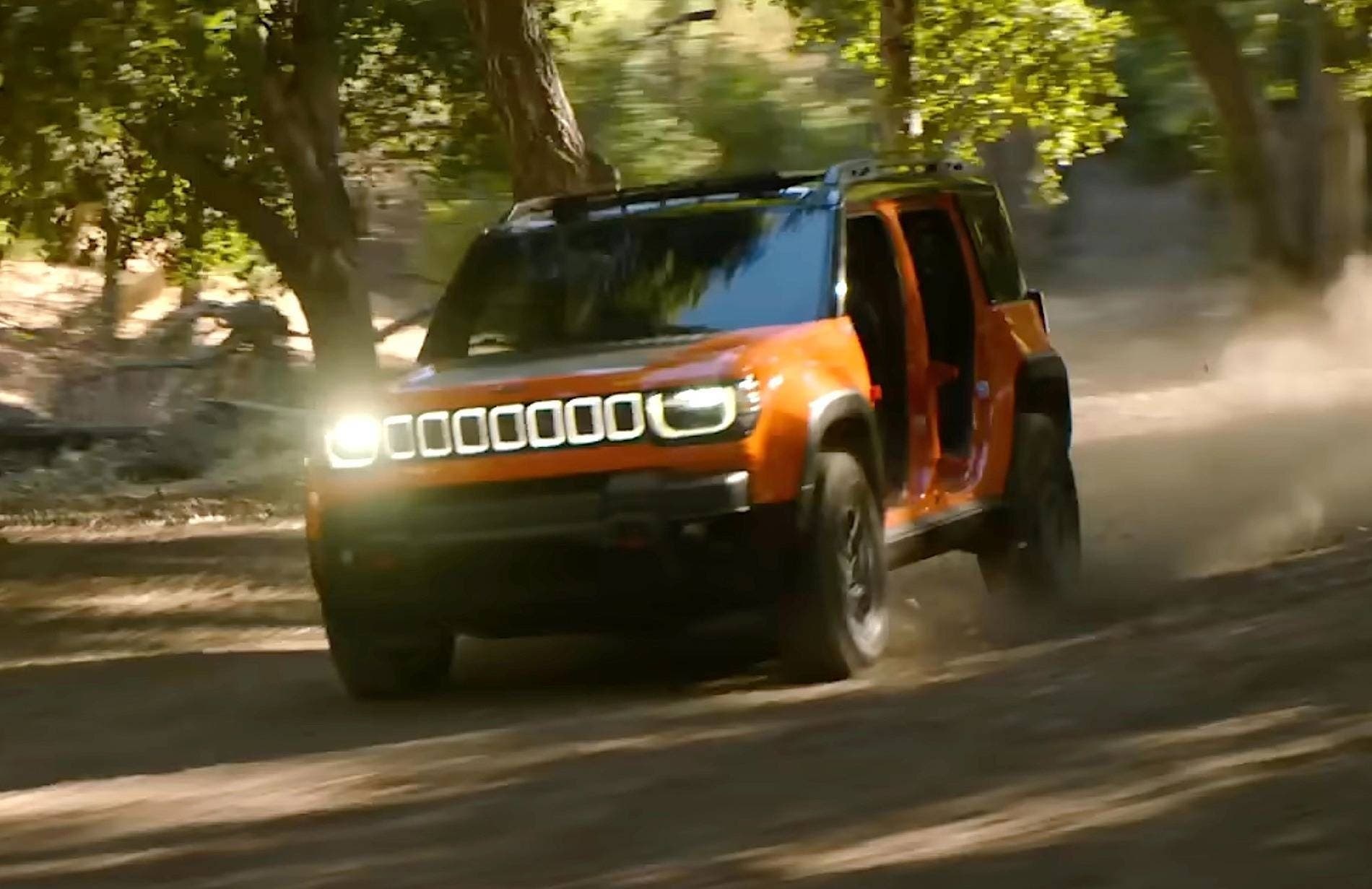
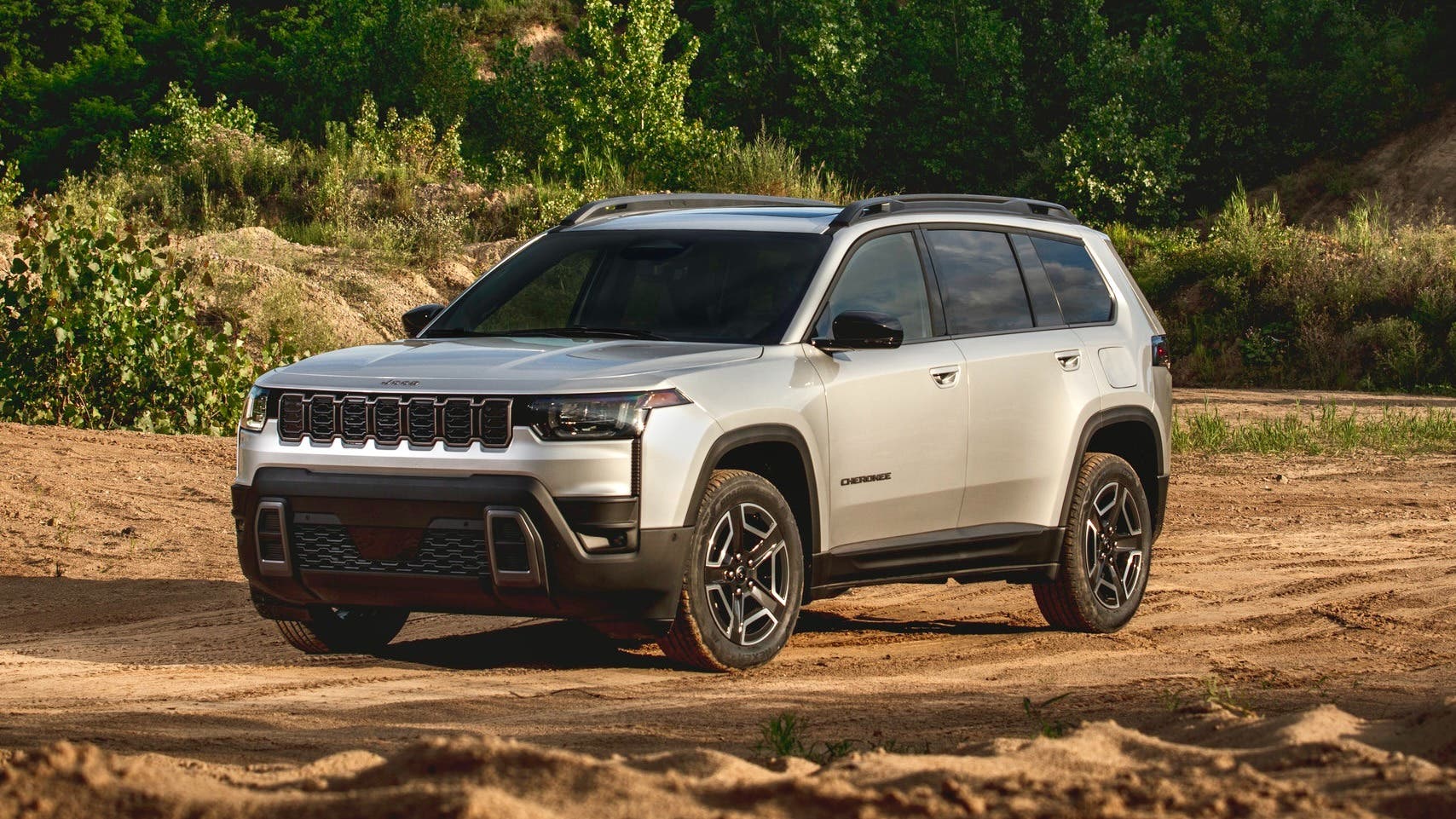
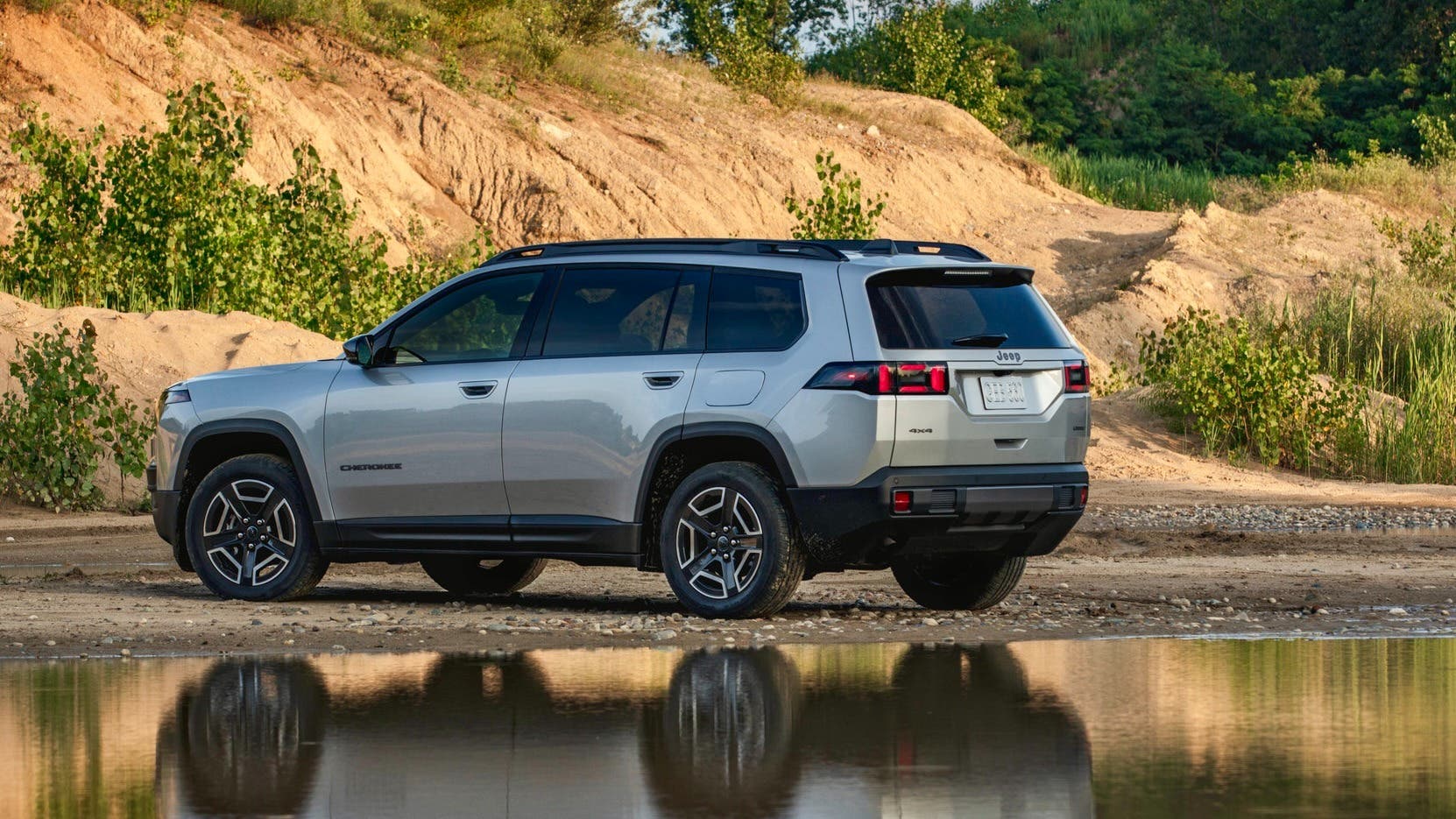
The new Jeep Cherokee 2026 therefore starts from completely different premises. It will be an all-new model, developed to return strongly to the heart of the midsize SUV segment. From a technical standpoint, it will use a STLA-family platform, designed from the outset for electrification. At launch, a full-hybrid powertrain is expected, based on a 1.6-liter turbo engine paired with two electric motors, for an output of around 210 horsepower, while a fully electric version cannot be ruled out in the future.
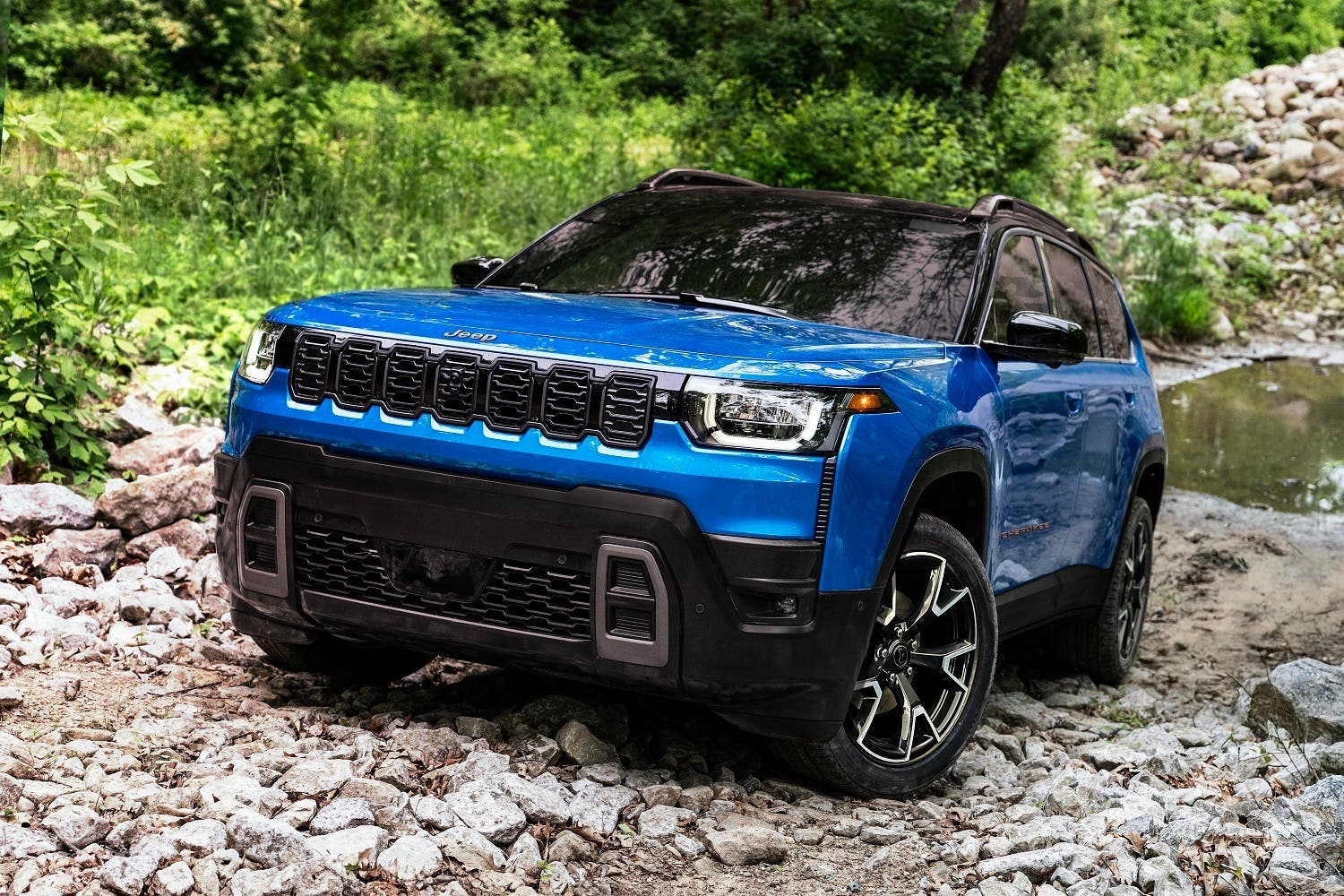
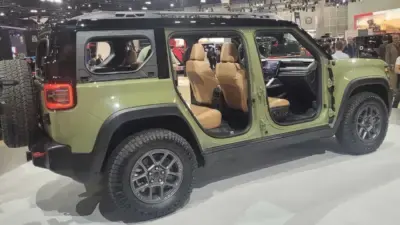
Larger and more robust than the Compass, yet positioned below the Grand Cherokee, it will precisely fill the market gap Jeep left open after the KL’s exit. The interior will also be completely new, featuring more space, digital instrumentation, the latest-generation driver-assistance systems and infotainment updated to the most recent standards.
On the industrial side, Stellantis is also betting on the reopening of the Belvidere plant, with an investment of about 600 million dollars. From 2027–2028, both the new Cherokee and the Compass for the North American market are expected to be produced there, strengthening the “Made in USA” image and reducing exposure to tariffs.
The brand’s goal, at least when the CEO was Antonio Filosa, now at the helm of Stellantis, was to bring Jeep back to one million annual sales in the United States by 2027. In 2023, the brand stopped just above 640,000 units, driven mainly by the Wrangler, Grand Cherokee and Compass. To close the gap, at least 350,000 additional vehicles per year are missing, and in this scenario the return of the Cherokee is considered one of the key levers.
If the new generation were able to approach even 150,000–200,000 units per year, it would alone cover a significant portion of the path toward the one-million target. This time, however, the Cherokee will arrive in a far more crowded market, with almost all competitors already offering hybrid or plug-in versions. Jeep will therefore have to play its cards well in terms of pricing, perceived quality and positioning, avoiding overlap with other SUVs in the lineup. If the product hits the mark, it could once again become one of the pillars of the range. Otherwise, the one-million-sales goal will remain very distant.