One and a half billion euros. For Stellantis, it was just the buy-in for a high-stakes poker game in Shenzhen. Back in October 2023, the group snatched a 20% stake in Leapmotor and grabbed the steering wheel of a 51% controlled joint venture. The mission was simple, if a bit audacious: take a Chinese brand and park it right next to the family silver, Fiat, Peugeot, and Opel.
Fast forward to early 2026, and the “invasion” is officially ahead of schedule. We’re talking over 800 points of sale across Europe. Stellantis didn’t spend a dime on new bricks and mortar. They just cleared some floor space in their existing dealerships.
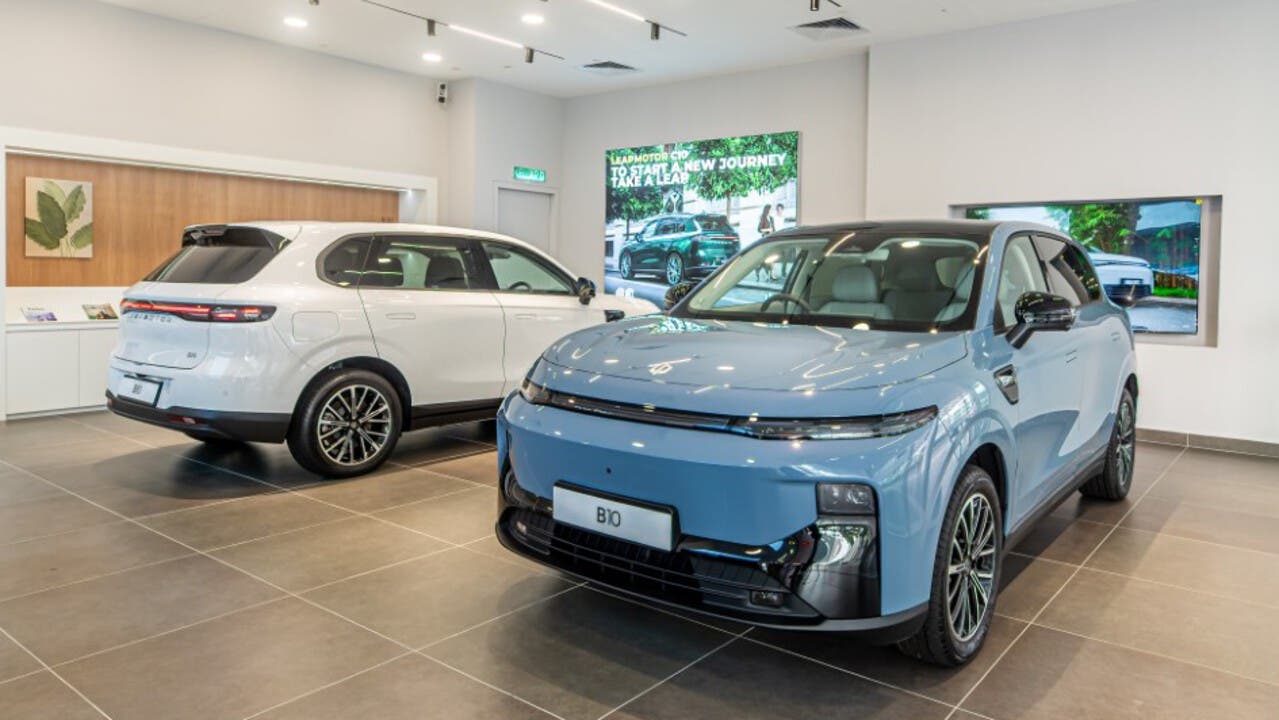
Now, the Leapmotor T03 and C10 are staring at customers in Milan and Madrid, sharing the fluorescent glow with Citroëns and Opels. Most industry observers were hovering like vultures, waiting for the inevitable. The cheap Chinese newcomer devouring the market share of the storied European brands.
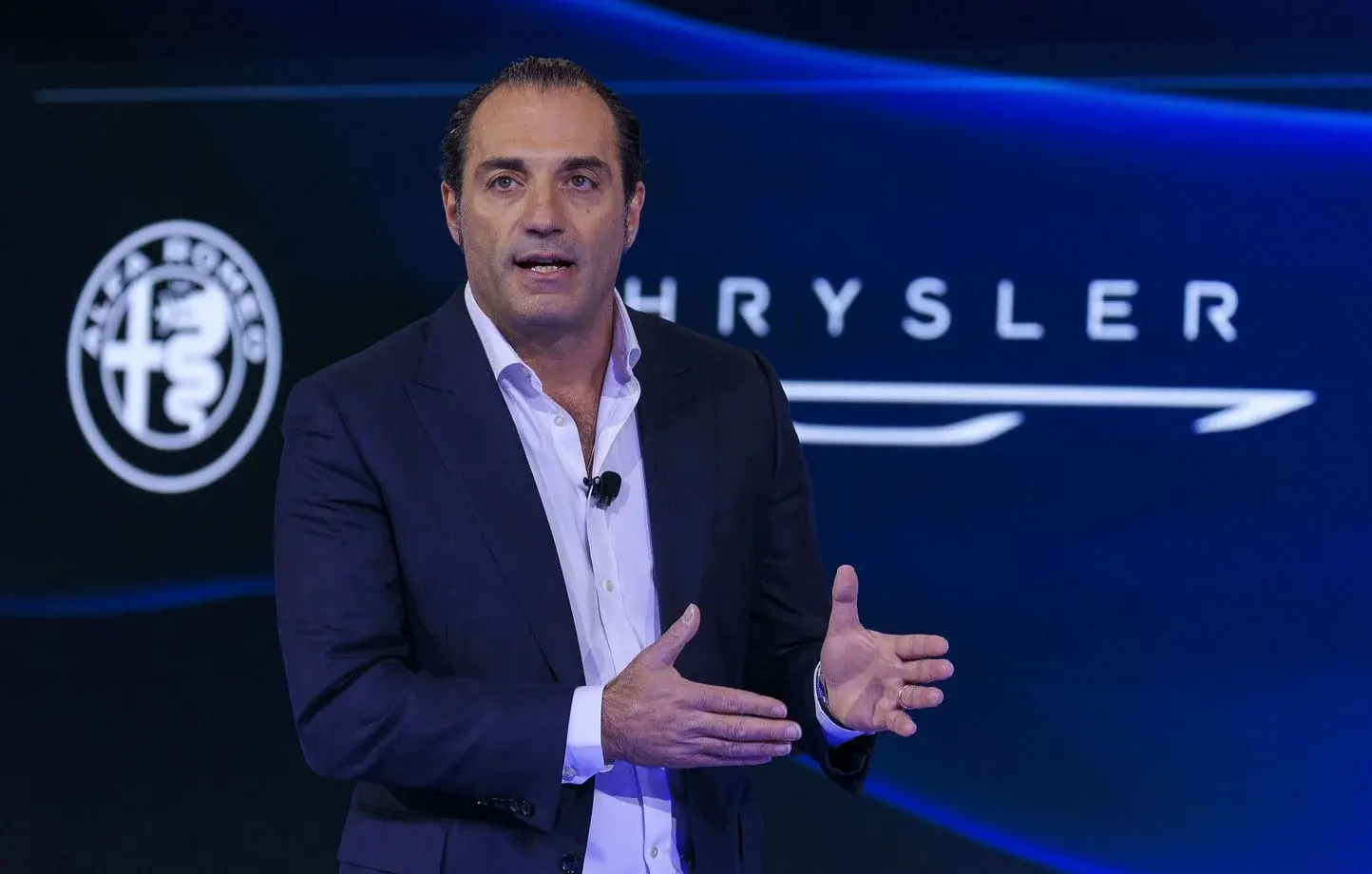
Except, the cannibal apparently isn’t hungry. During the Q1 2026 earnings call, CEO Antonio Filosa laid out the numbers with a level of bluntness that must have stung the doomsayers. Stellantis grew with Leapmotor and, crucially, without losing a step elsewhere. Fiat accelerated in Italy, Citroën gained ground across the continent, and Opel pulled off a strong recovery. Meanwhile, Leapmotor quietly moved 24,000 units. The feared “cross-shopping” epidemic has been described by Filosa as “very, very limited”.
The logic is almost too simple for the analysts to grasp. Leapmotor is the gateway drug for the budget-conscious EV buyer, targeting the “first-time electric” crowd with aggressive pricing. Peugeot and Opel are playing a different game entirely, leaning into their premium positioning and complex heritage. The segments barely touch.
For Stellantis, this is peak pragmatism. They get to road-test cutting-edge Chinese tech and boost volume without sacrificing their crown jewels or building a single new showroom. It’s a low-risk, high-reward experiment in cohabitation.