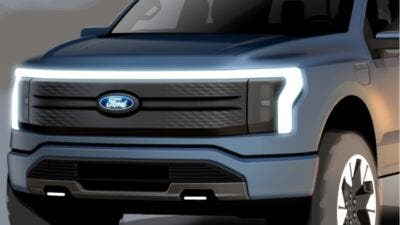
Long ago, globalization was the ultimate corporate religion, and outsourcing manufacturing to China was seen as a stroke of pure financial genius. Today, that economic fairy tale has turned into a bureaucratic horror show. Ford and several legacy automakers are currently on their knees, frantically begging the US government for special dispensation just to keep selling vehicles that have parked on American dealership lots for years.
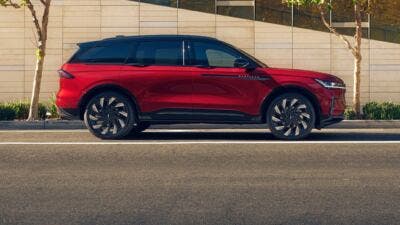
A massive federal crackdown on Chinese software and hardware embedded within connected vehicles. Specifically, Ford has been forced to plead with the US Department of Commerce for permission to continue importing its Lincoln Nautilus SUV.

While the software driving the Nautilus was proudly developed by engineers right in the United States, it happens to be physically installed inside a Chinese assembly plant. Because of that single geographic detail, this luxury cruiser is now treated like a national security threat. With model year 2027 imports scheduled to land in January, Dearborn executives have only a handful of months to navigate an opaque, incredibly murky licensing process.
This high-stakes technological purge originally began under Joe Biden’s administration in January 2025, driven by fears that Beijing could use connected cars to harvest sensitive data on American citizens, and the strict rules have been enthusiastically maintained by the Trump administration.
The software ban strikes hard for the 2027 model year, while an even more apocalyptic hardware ban looms for 2030. Untangling the physical component supply chain will be an infinitely more agonizing and expensive headache than rewriting code.
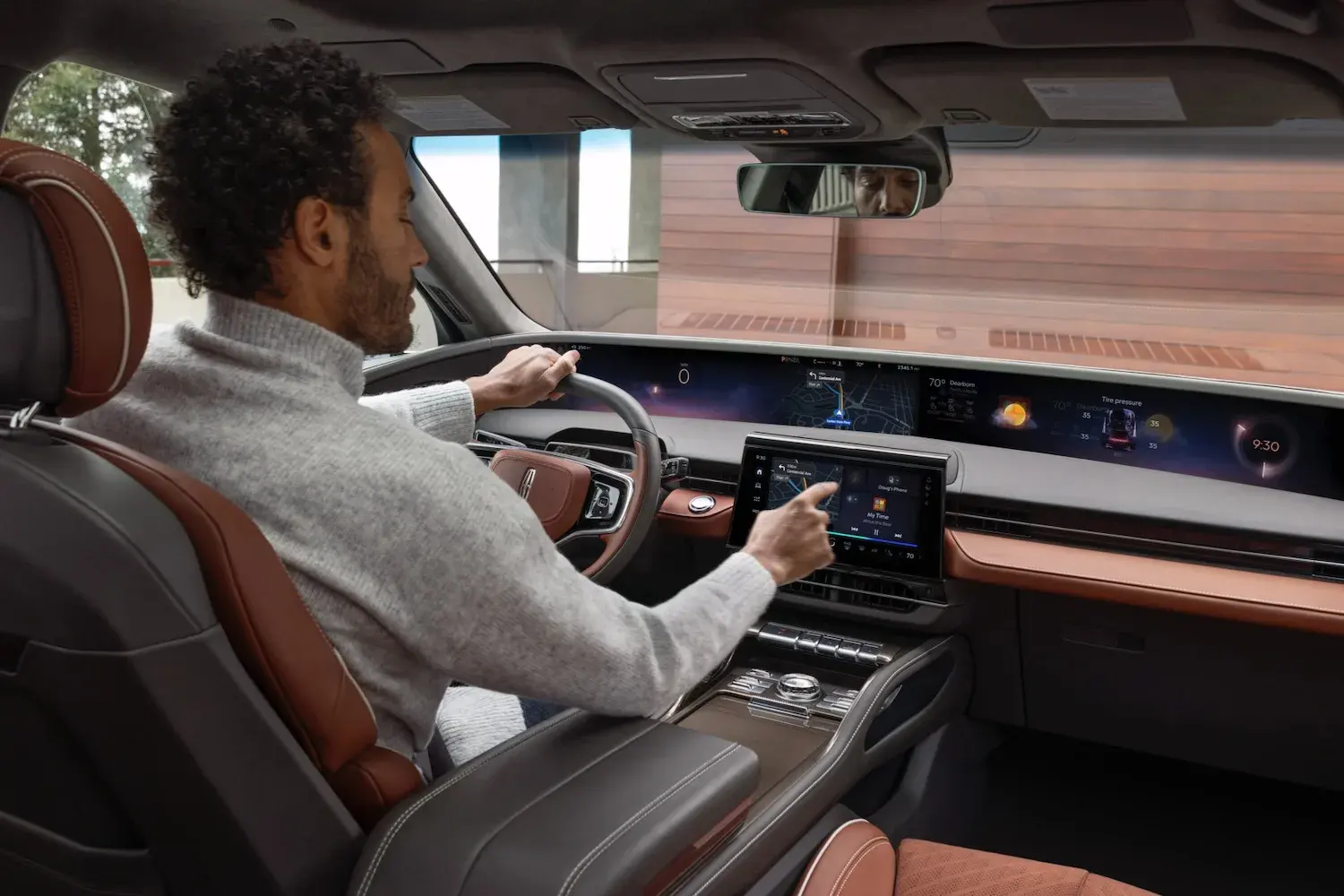
Meanwhile, Volvo, which is majority-owned by China’s Geely, managed to score a temporary waiver, though it still faces the exhausting task of scrubbing its entire US lineup to meet Washington’s moving goalposts.
Suppliers are utterly bewildered; the Motor & Equipment Manufacturers Association practically begged the government to clarify whether a single line of code written by a global team could get an entire vehicle “forbidden”. The paranoia has gotten so extreme it even reached the tire industry. Pirelli warned that one of its high-tech smart tires faced a total ban simply because a Chinese entity holds a major stake in the company. After a frantic intervention by the Italian government to strip that shareholder of board influence, Pirelli capitulated and announced it would just build the tires in a domestic US plant instead.