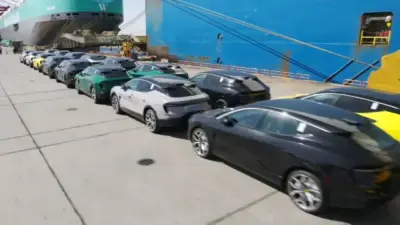
Washington has finally realized that the affordable electric vehicle parked in your driveway might be doing more than just saving you money at the pump. It might be filing a full report on your morning commute to a server farm in Chengdu. In a rare moment of bipartisan harmony, Representative John Moolenaar (R-Mich.) and Representative Debbie Dingell (D-Mich.) have teamed up to introduce a bill that essentially puts a “Not Welcome” sign on the front door for Chinese vehicles and components.
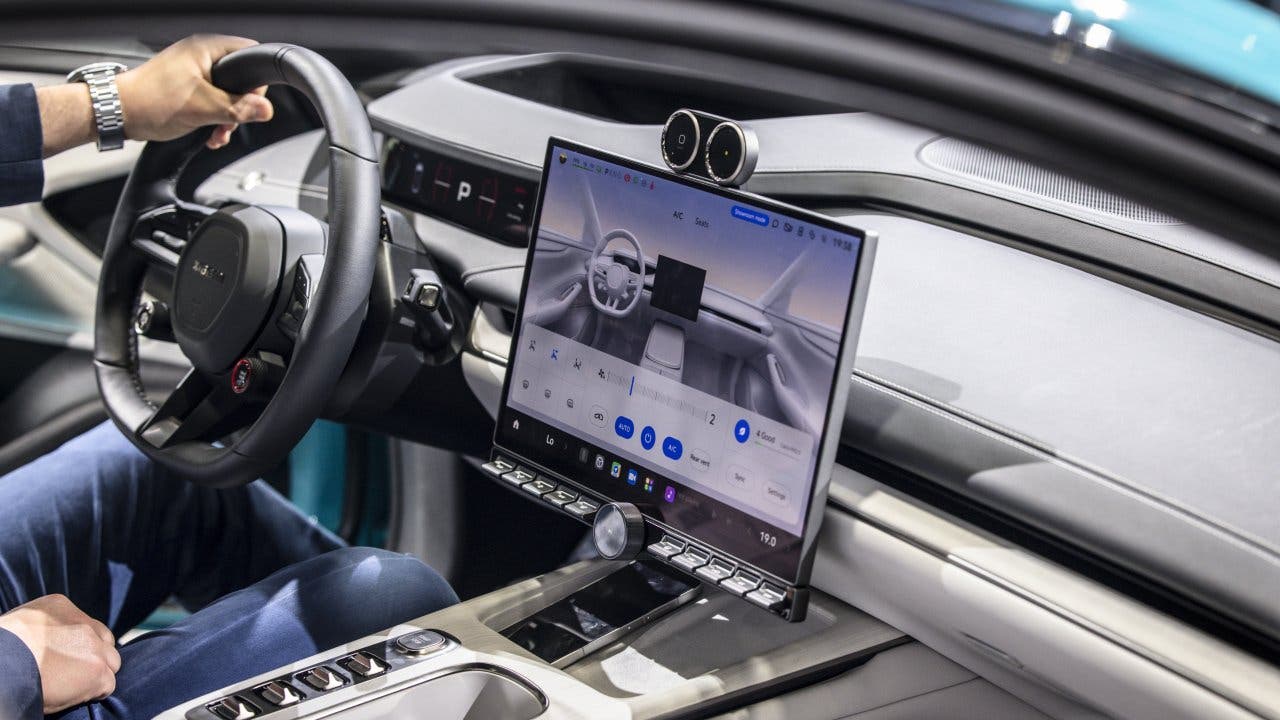
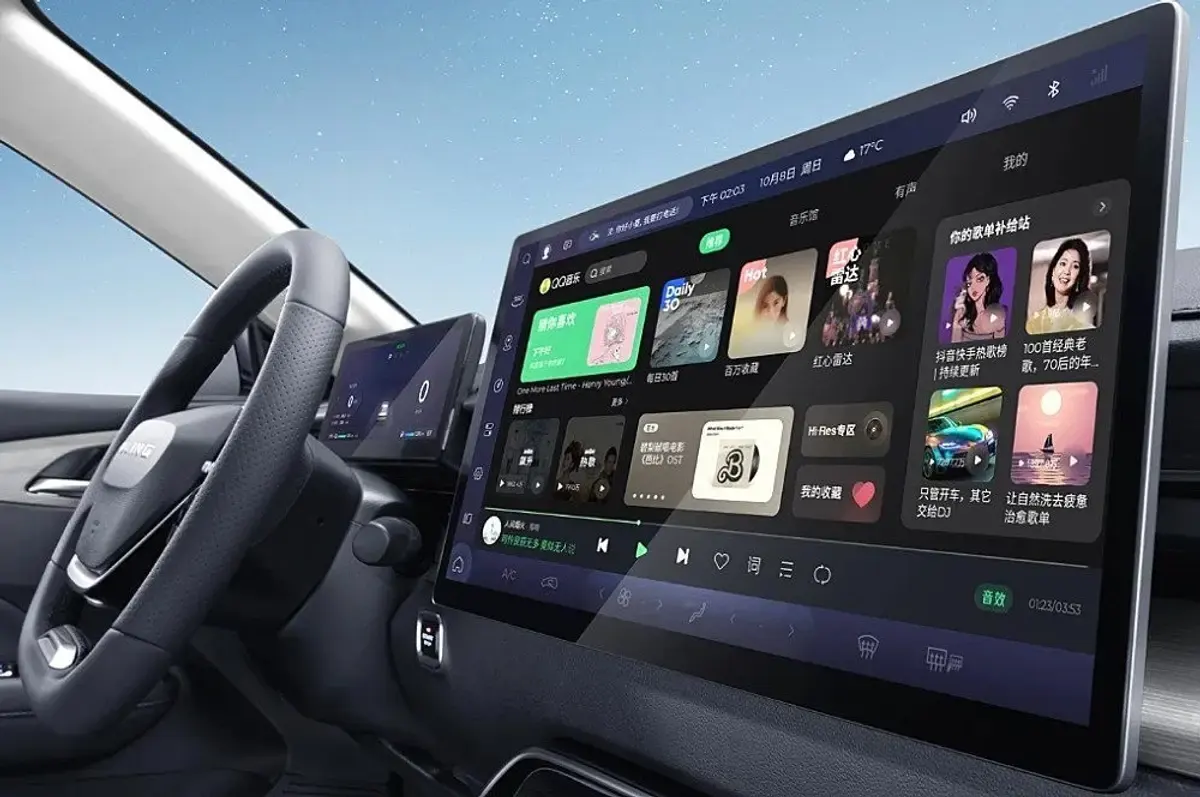
The concern? It’s not just about losing market share. It’s about the fact that your car has become a 4,000-pound smartphone with a trunk, capable of tracking your location, your passengers, and even the “critical infrastructure” you drive past while looking for a Starbucks.
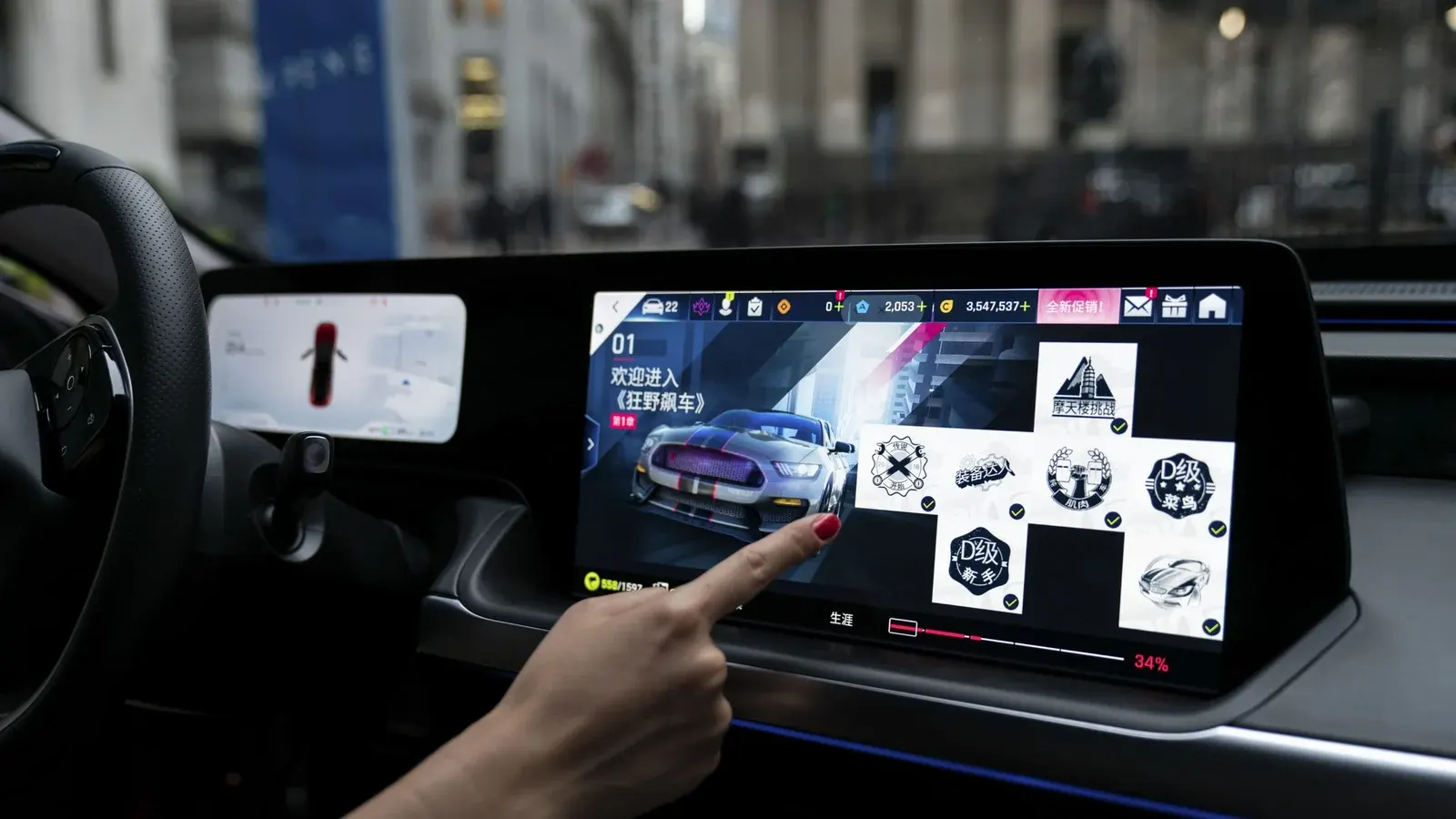
The rhetoric coming out of the House is remarkably blunt. Lawmakers are describing these modern Chinese imports as “sophisticated surveillance packages on wheels”. It turns out that when you load a car with enough sensors to navigate a parking lot, you also create a perfect tool for international espionage.
This legislative push follows a trail of breadcrumbs left by the FBI and the Department of Commerce. Back in 2024, FBI Director Christopher Wray warned that state-sponsored hacker groups like Volt Typhoon were already burrowing into American infrastructure. Now, the fear is that letting Chinese software and hardware into the American fleet is like handing the keys to the kingdom to someone who’s been trying to pick the lock for years.
Then there is the “small” matter of the $230 billion. That is the staggering amount of state subsidies and financial assistance the Chinese government pumped into its EV sector between 2009 and 2023. It’s hard to talk about “fair competition” when one side is playing with a quarter-trillion-dollar house-money advantage.
The House proposal mirrors the Senate’s “Connected Vehicle Security Act of 2026,” spearheaded by Senators Bernie Moreno and Elissa Slotkin. The message is clear: if the car is “connected,” we need to be very sure about who is on the other end of the line.
Washington is betting that Americans would rather pay a bit more for a car that doesn’t treat their privacy like a buffet for foreign intelligence. In the high-stakes game of global automotive dominance, the “check engine” light is finally blinking red for Beijing.