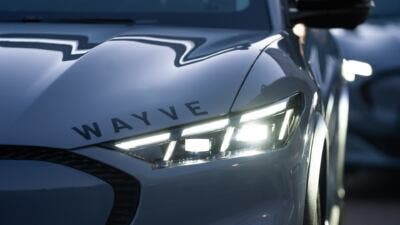
British startup Wayve has closed a new $1.2 billion funding round to advance autonomous driving technology. Including additional tranches tied to agreed milestones with Uber, the total rises to $1.5 billion, bringing the company’s overall funding to $2.8 billion and its estimated valuation to around $8.6 billion.
The list of investors is notable. Alongside Nvidia and Microsoft stand three major automakers: Stellantis, Mercedes-Benz and Nissan. The fact that such names chose to invest in a single autonomous driving startup shows how AI applied to mobility has returned to the top of the industry agenda, after a period when several projects were scaled back or shelved. General Motors and Ford, among others, stepped back from their own programs.
Wayve raises $1.2B as Stellantis, Mercedes and Nissan back autonomous driving
CEO Alex Kendall highlighted an important detail: “Wayve still retains much of the funding raised in 2024 during the SoftBank-led round. In a sector where cash burn is the norm, starting from a strong financial position makes the difference between those who can develop patiently and those forced to chase progress.”
Wayve operates on two fronts. The first involves robotaxis, with an operational launch planned in London in partnership with Uber, aiming to expand to at least ten major cities during 2026. In the British capital, it will face direct competition from Waymo, Alphabet’s autonomous driving company and current global benchmark. The second front focuses on advanced driver assistance systems sold to automakers. Nissan has already announced it will integrate Wayve technology into its vehicles in Japan by 2027.
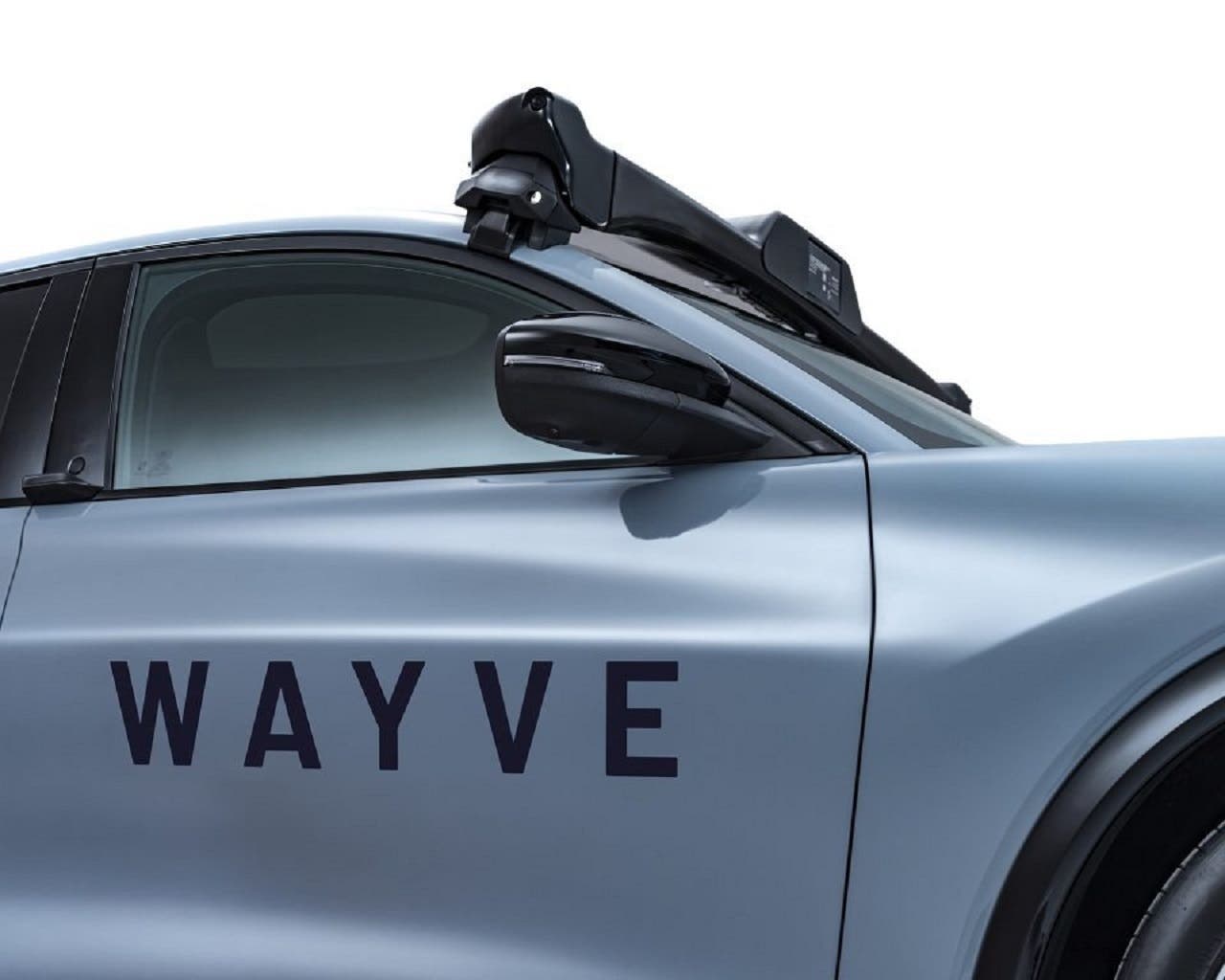
For Stellantis, Mercedes and other industrial partners, investing in Wayve means gaining access to advanced AI platforms without having to develop everything internally, a significant advantage in a phase where technological competition increasingly revolves around software and data processing capabilities.
Kendall did not hide the company’s ambitions. In his view, over the long term every vehicle will be capable of driving itself. “An IPO remains a possibility, but first Wayve must prove its technology works at scale, accumulating millions of real-world miles and earning the trust of a market that has already seen too many unfulfilled promises,” he concluded.