

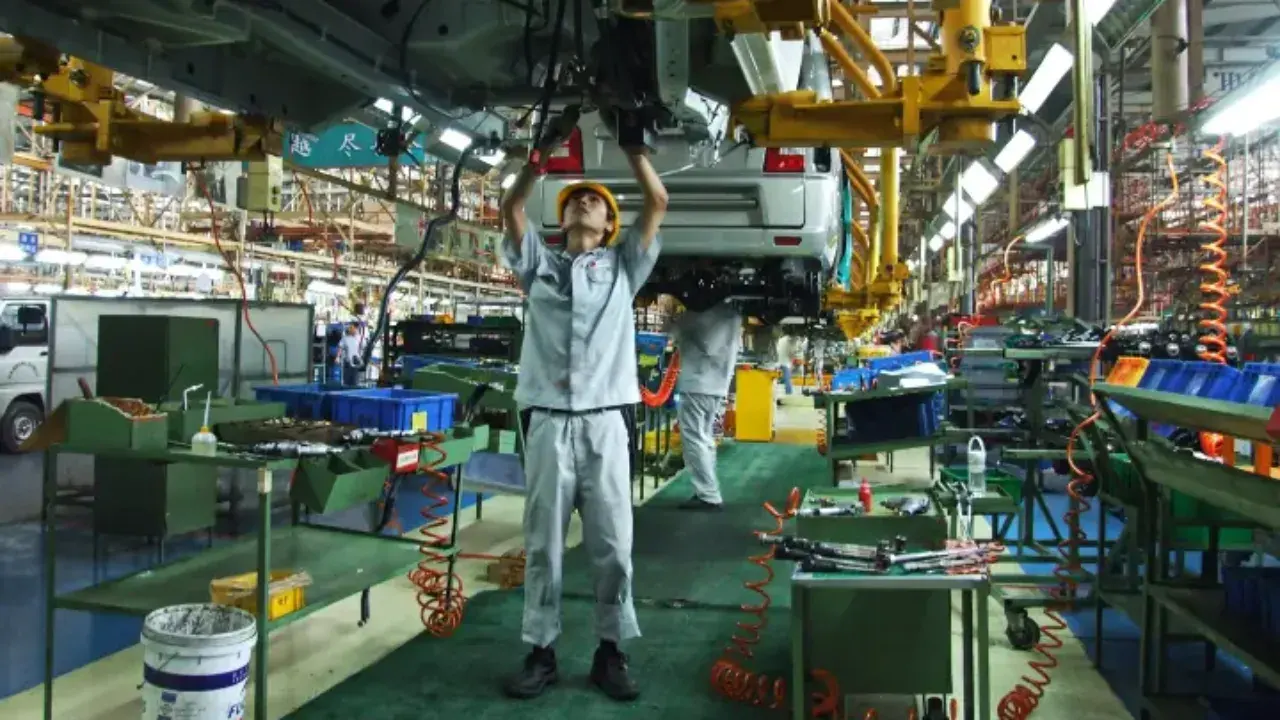
Washington politicians are preparing to vote on a piece of legislation designed to ban something that is already effectively banned, proving that when it comes to election-year grandstanding, you can never double-lock an empty room. On July 15, the Senate Commerce Committee will vote on the Connected Vehicle Security Act of 2026. Introduced by Senators Bernie Moreno and Elissa Slotkin, the legislation aims to officially outlaw the importation, manufacturing, sale, and resale of connected vehicles, software, and hardware linked to China and other designated “foreign adversaries.”
Senator Slotkin recently warned that Chinese electric vehicles are merely “surveillance packages on wheels” threatening national security. It is a terrifying image, provided you completely ignore the fact that modern American cars are also rolling data-brokers tracking your every movement and location.
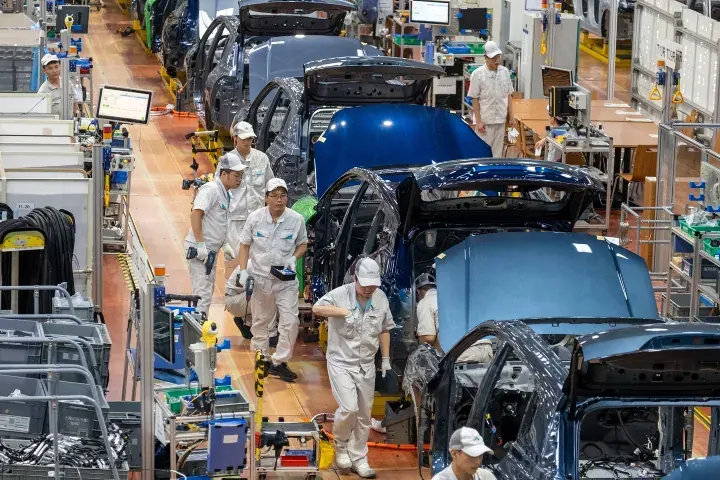
Slotkin also blasted Beijing for heavily subsidizing its automotive sector to undersell Western competition. This is a fascinating critique coming from a government that has quietly pumped an estimated $42 billion in cumulative subsidies, bailouts, and EV grants into its own domestic auto industry over the last three decades.
Consider Geely’s corporate family tree: Polestar is being pushed completely out of the US market by 2027 for failing content rules, while Volvo receives a polite hall pass simply by promising regulators that it stores data on European servers. Meanwhile, Ford is currently petitioning the Commerce Department for a special exemption so it can import the Lincoln Nautilus, a vehicle assembled in China. Add in the fact that countless domestic vehicles run on semiconductors manufactured by China’s SMIC through global suppliers, and Washington’s clean geopolitical line in the sand turns into a muddy mess.
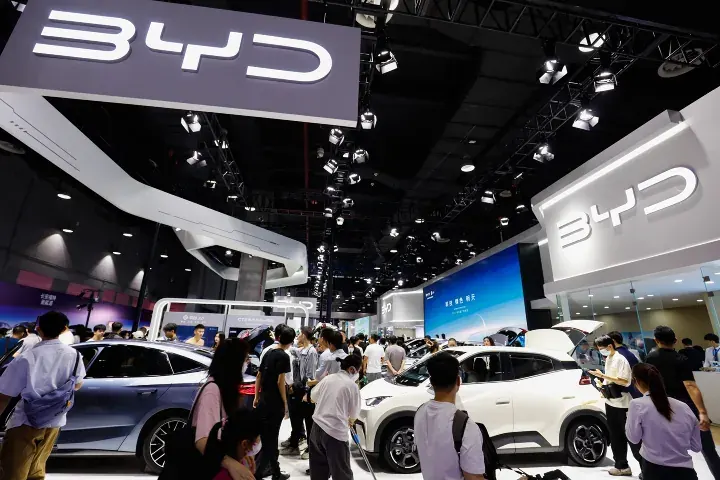
Naturally, legacy automakers are ecstatic. General Motors immediately showered the bill with corporate praise, and United Auto Workers (UAW) President Shawn Fain celebrated its “common sense guardrails”.
Stripped of the patriotic marketing gloss, the bill simply buys Detroit executives time to adjust their chaotic supply chains while locking out cheaper, highly competitive global rivals from a massive automotive market. Ultimately, the Connected Vehicle Security Act of 2026 does very little for actual driver privacy. Instead, it serves as a massive federal power grab, granting the Department of Commerce vague, unilateral authority to ban whatever technology it decides it doesn’t like next.