

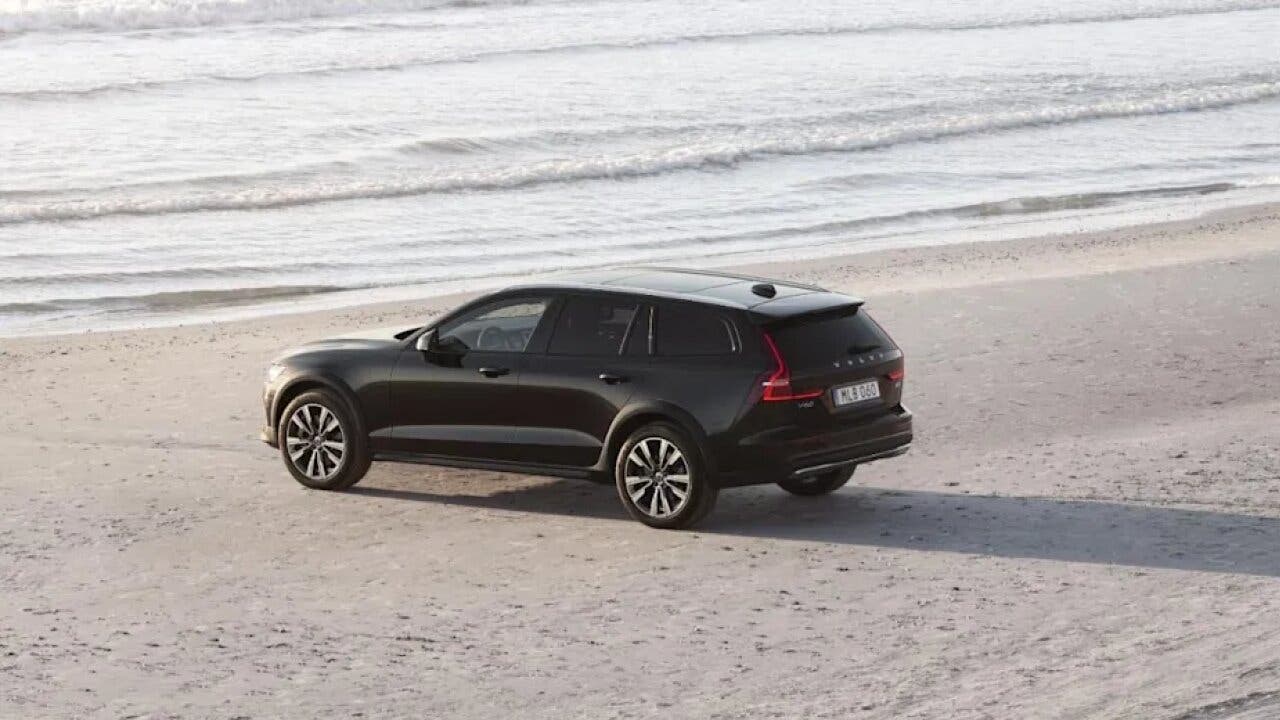
America’s obsession with high-riding, mall-crawling box-monsters has claimed its latest victims: the Volvo V60 and V90 Cross Country. After the 2026 model year, the Swedish brand is officially killing off its last remaining longroofs in the United States, temporarily abandoning the very body style that defines its heritage. It turns out, if a vehicle doesn’t look like a suburban tank, American buyers simply won’t touch it.
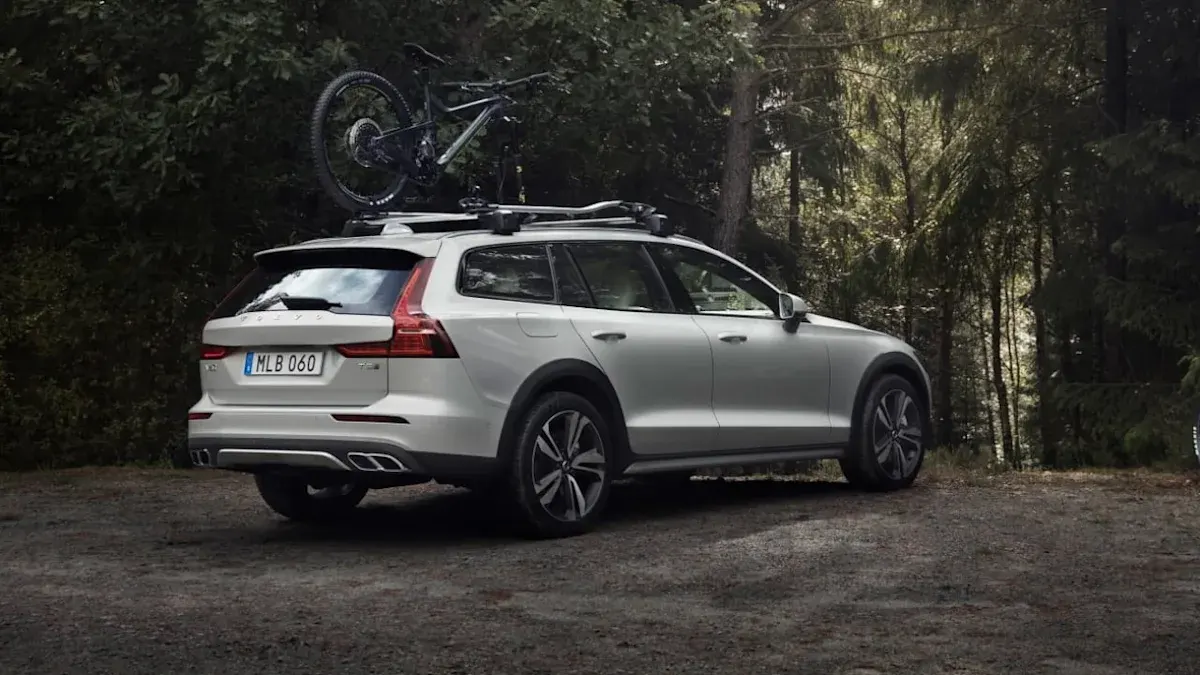
Don’t weep into your vintage tweed jacket just yet, wagon purists. According to a report from Automotive News, Volvo is already plotting a silent, battery-powered counter-offensive for the American market.
The rumored revival involves an all-electric wagon and a sedan sibling, expected to sit somewhere within Volvo’s 60- or 70-series range, potentially adopting an ES60 badge for the three-box version. Both models are currently being developed primarily for Europe on Volvo’s next-generation SPA3 architecture.
While Volvo officialdom is refusing to comment, these sleek EVs are under active consideration for a 2028 US launch once they clear American homologation. Of course, there’s a catch that might disturb the sleep of classic petrolheads. When the longroof returns, there won’t be the glorious, mechanical symphony of a turbocharged five-cylinder or a supercharged four-banger under the hood. This time, the comeback will be entirely battery-powered, manufactured in Europe, and could even spawn a rugged, high-clearance Cross Country variant.
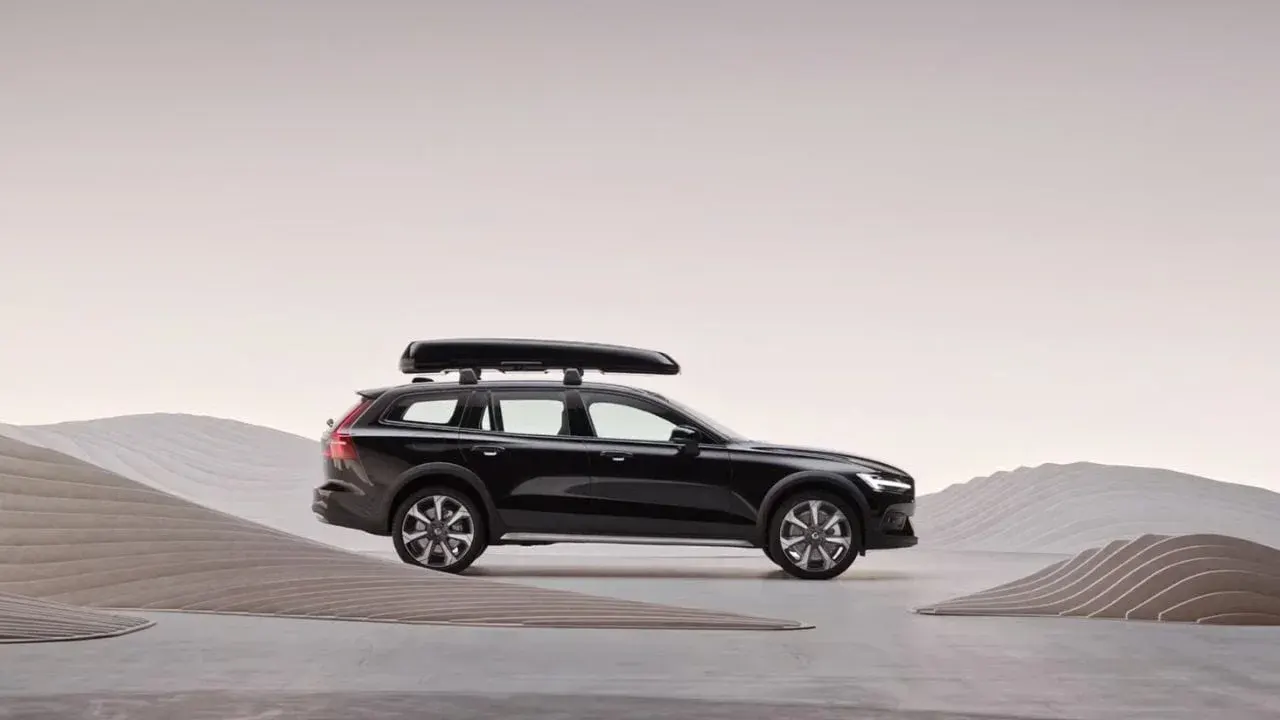
Volvo certainly isn’t expecting these cars to suddenly dethrone the reigning crossover kings. The automaker is targeting a modest, ultra-niche combined annual US sales volume of around 10,000 units for both the sedan and wagon. Pricing is expected to start somewhere in the low-$50,000 range, placing them comfortably in premium territory without pushing buyers into the financial stratosphere.
While manufacturers have spent a decade forcing us into bloated crossovers, former CEO Håkan Samuelsson recently hinted that the market may have swung too aggressively toward SUVs. And physics completely agrees with him. In the uncompromising world of electric vehicles, aerodynamics is god. Taller SUVs push air like a brick wall, whereas a lower wagon body dramatically reduces frontal area and drag, helping engineers extract precious extra driving miles from the exact same battery capacity. Perhaps future generations will look at their parents’ ubiquitous SUVs and want something genuinely different.