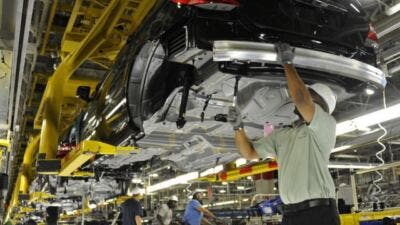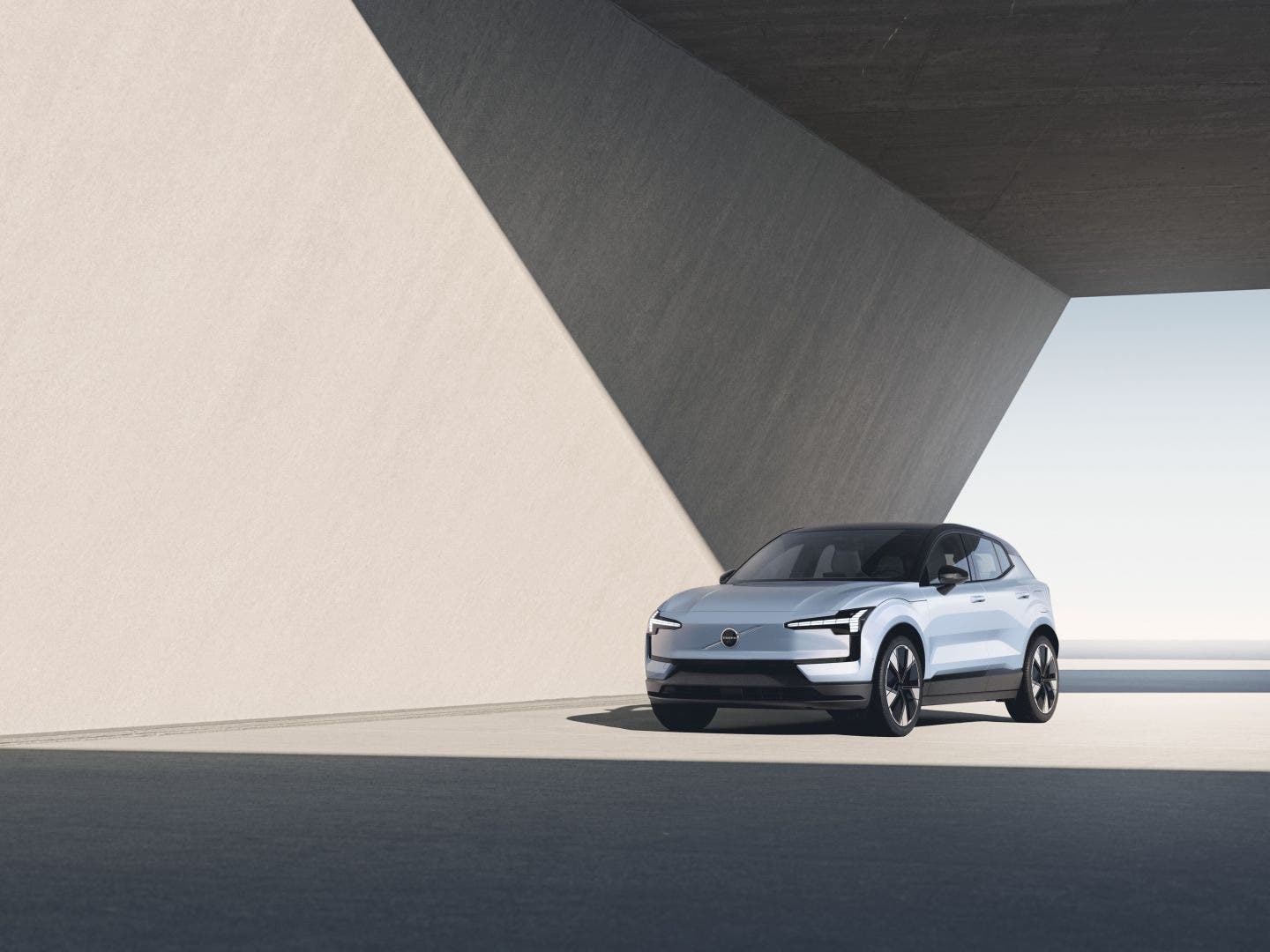
Volvo has decided to withdraw the EX30 from the US market, removing the brand’s smallest and most affordable electric model from its American lineup. According to a company spokesperson who spoke to The Drive, the decision directly responds to changing market conditions and financial factors.
Dealers will stop accepting new orders after March 20, 2026, while Volvo will still build units that customers have already reserved before the production line for the United States comes to a permanent stop after next summer. The decision does not affect the brand’s other electric models, such as the EX60 and EX90, and Volvo will continue to sell the EX30 in Europe, several Asian markets, Canada, and Mexico.
Volvo drops the EX30 in the US and cuts its smallest EV
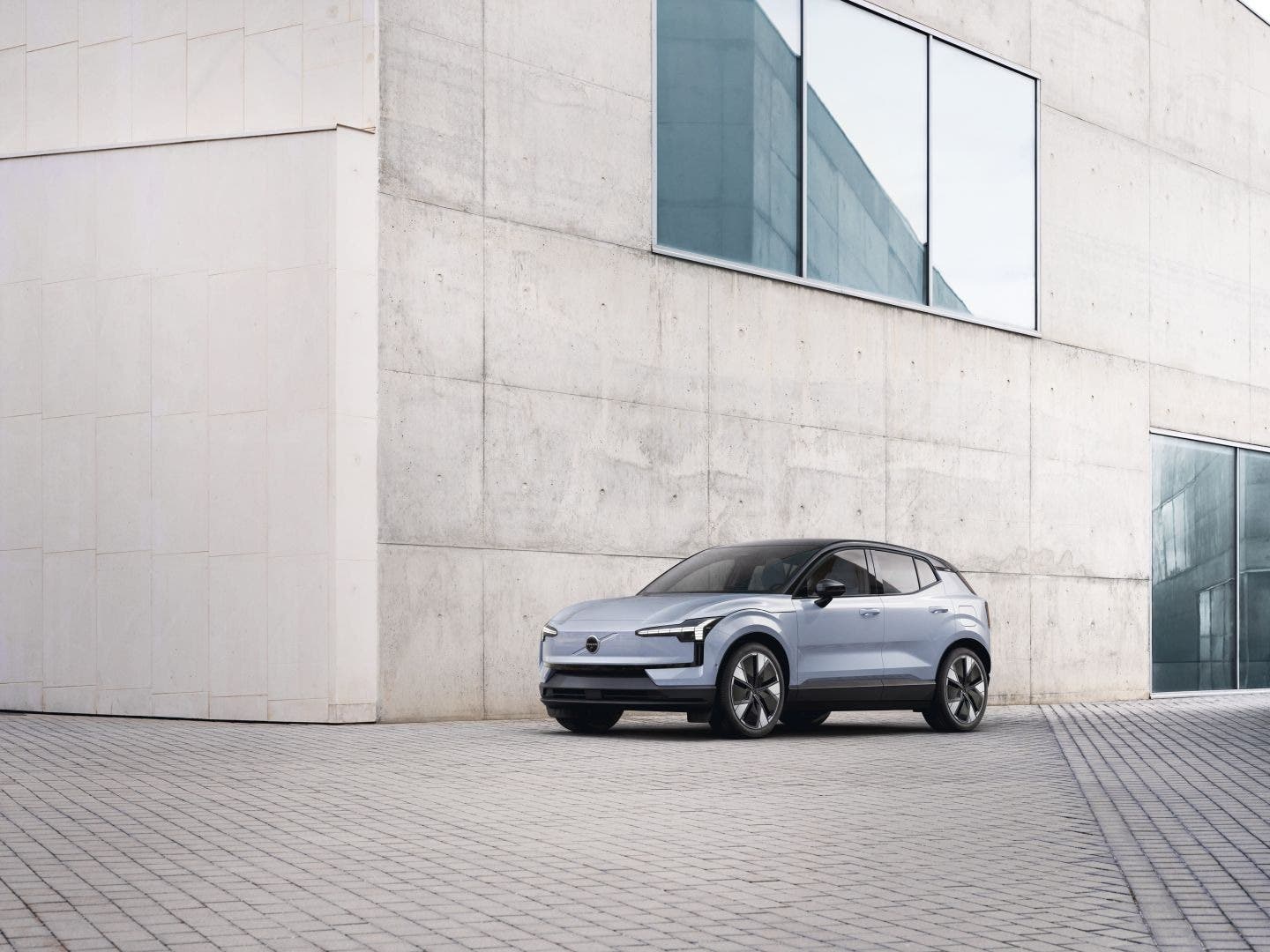
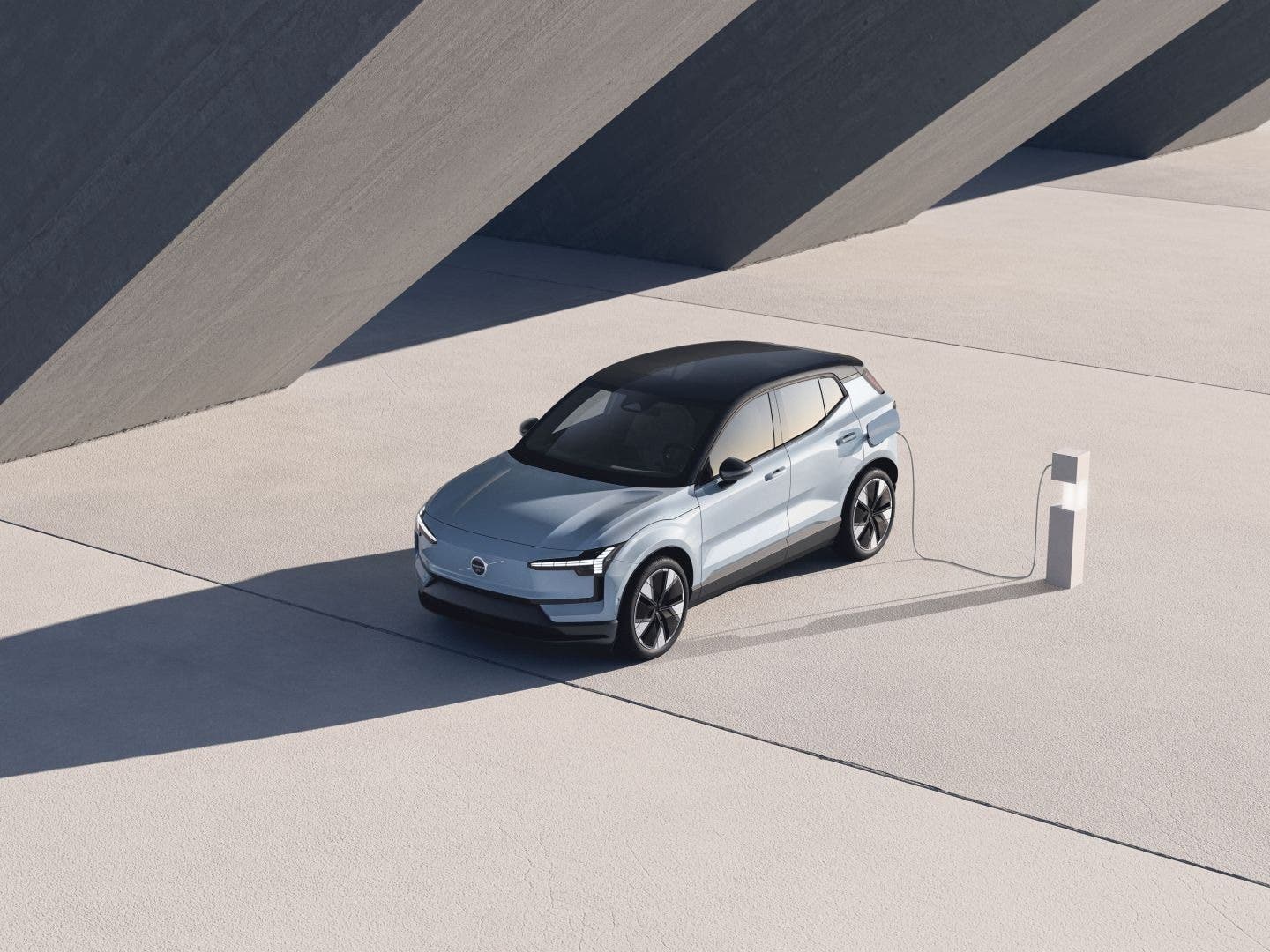
Weak sales results played a major role in the decision, as they did not give the model enough support to remain in the American market. In 2025, Volvo delivered just under 5,400 EX30 units in the United States, equal to about 4.4 percent of the brand’s total sales in the country. That figure did not give the small electric crossover, which measures 4,233 millimeters in length and has a 2,650-millimeter wheelbase, a truly competitive role.
The starting price in the United States stands at $40,345, while the Cross Country variant, which Volvo introduced in the early months of 2026, reaches $49,545. Volvo unveiled the EX30 on June 7, 2023, started production in the autumn of the same year at its Zhangjiakou plant in China, and added the Belgian factory in Ghent in April 2025. The model reached the American market in the middle of 2025.
The EX30 case fits into a broader trend that is pushing several automakers to scale back their electric offerings in the United States. Just last week, Honda announced the cancellation of much of its future 0 lineup, with only the alpha 0 still expected to reach the market, while projects such as the 0 Saloon and the 0 SUV appear to have been set aside before launch.
Honda had planned to assemble both models at the Honda EV Hub in Ohio, the same plant originally intended for the Acura RSX EV, which now also appears headed for cancellation. Ford has withdrawn the F-150 Lightning after nearly three years of production, Nissan has stopped the Ariya, Acura has cancelled the ZDX, and Volkswagen has suspended the ID. Buzz. Over the weekend, reports also indicated that Kia may remove the Niro EV from the American market as well, while keeping native EV models such as the EV6 and EV9 in its lineup.
This picture suggests that many carmakers are gradually redirecting industrial and financial resources toward models and powertrains that can deliver stronger commercial results. At this stage, they appear to favor a strategy of consolidation rather than expansion in their electric offerings.