In January, the United States registered 59,802 electric vehicles, down 41 percent from the same month in 2025, according to S&P Global Mobility data reported by Auto News. Out of nearly 1.2 million vehicles registered during the month, battery-electric models accounted for 5.1 percent of the market, down from 8.3 percent a year earlier. That figure confirms a downward trend that has continued without interruption since the federal tax credit ended on September 30. At the same time, gasoline cars gained 2.3 percentage points and reached 76.6 percent of registrations, while hybrids rose by one point to 14.7 percent.
US EV registrations fall 41 percent after tax credit ends
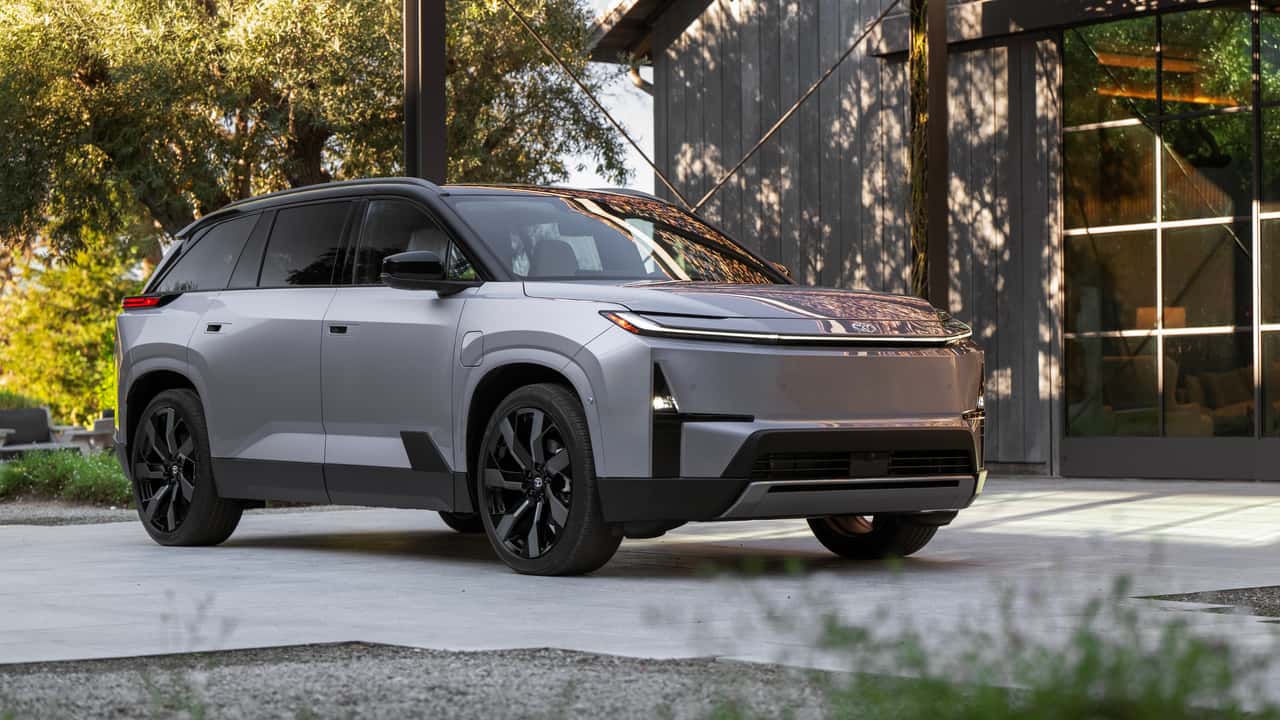
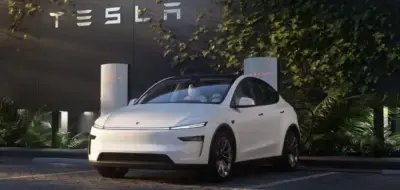
Tesla kept its lead in the US electric segment with 32,123 new registrations in January. Even so, that result marked a 26 percent year-over-year decline. It still gave the brand a 53.7 percent share of the EV market, up from the previous period. Cadillac followed far behind in second place with 3,189 units, more than ten times fewer than the Texas-based automaker, but it ranked among the few brands to post a positive result, with sales up 8.1 percent and segment share rising to 5.3 percent. Toyota also posted growth of 25 percent, although it remained at modest volumes with 2,529 electric registrations.
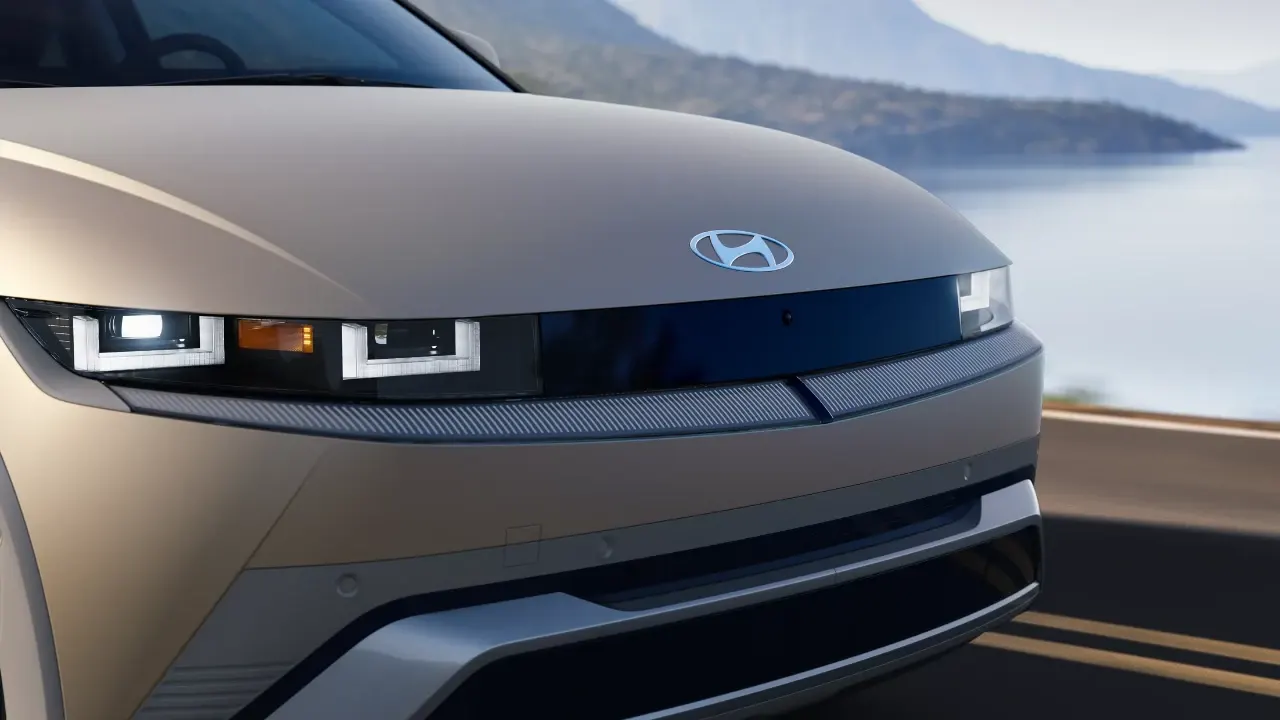
For other automakers, the picture looked much tougher. Registrations of Ford electric models fell 67 percent to 2,772 units. Chevrolet posted a 55 percent decline with 2,658 registrations, while Hyundai lost 23 percent and dropped to 3,027 units, mainly because of weaker Ioniq 5 results. That model fell 22 percent and stopped at 2,101 units. The data seems to show quite clearly how much demand for electric vehicles in the United States relied on the federal tax credit, and how quickly its removal changed the balance of the market.
According to Karl Brauer, executive analyst at iSeeCars, the sector has now entered a phase of adjustment toward a different reality, one without the incentives that had pushed consumers toward battery-powered models and without the emissions penalties that had guided automakers’ industrial strategies. Tom Libby, an analyst at S&P Global Mobility, also described the decline as expected, calling it a true market reset and warning that the recovery path will likely move slowly.