

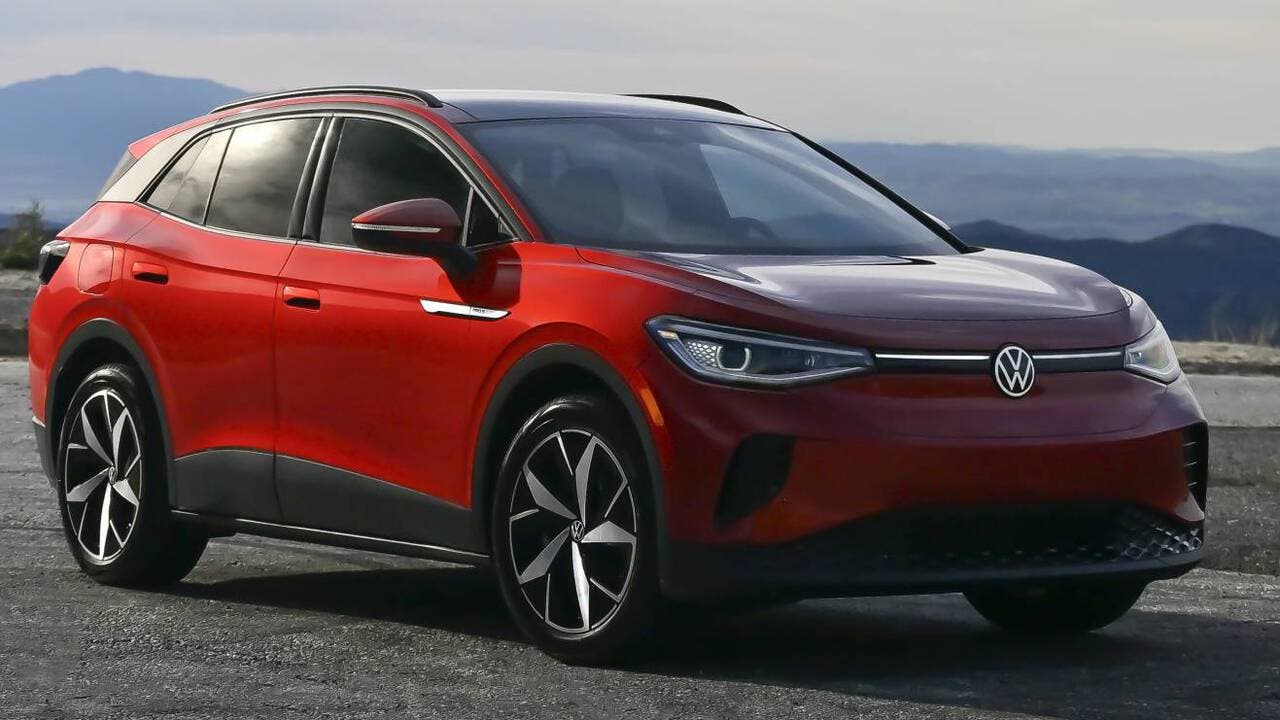
Volkswagen has just issued a recall for over 45,000 ID.4 electric vehicles in the United States. Their high-voltage batteries might spontaneously combust. Three separate recalls in less than two months for the same underlying issue.
The highest fire risk involves 1,299 ID.4s manufactured between November 3, 2022, and September 22, 2024. Owners of these vehicles are advised to park them outside after charging, because apparently, the electric revolution comes with a side of outdoor storage anxiety. The culprit: misaligned electrodes in some battery cells, a defect that could trigger a fire at any moment.
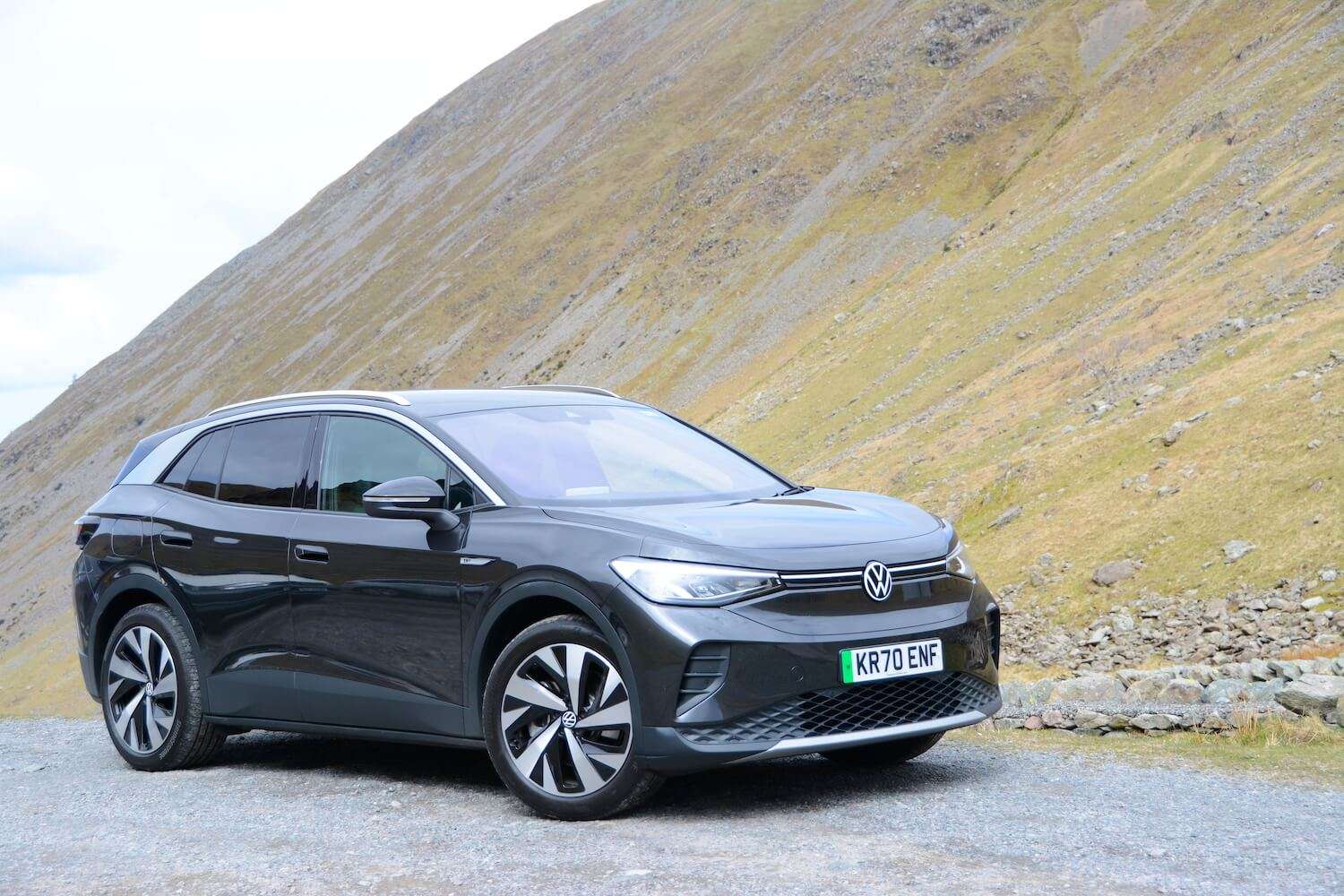
There’s more. These affected vehicles should only be charged to 80%, and owners must avoid DC fast chargers, relying instead on slower AC chargers until the problem is fixed. So much for the “convenience” of rapid charging. Four battery fires have already been reported, and Volkswagen’s solution involves inspecting vehicles at dealerships and replacing potentially defective battery cell modules with new units.
The first recall dropped on December 3, 2025, identifying 311 defective cells in 311 vehicles. By December 15, Volkswagen amended that recall to add another 318 vehicles. Then, on January 21, a second recall covered an additional 670 ID.4s. A third recall, issued the same day, affects 43,881 vehicles from the 2023 to 2025 model years. Owners of these cars can still use DC fast chargers and park indoors, but the recall remains tied to potentially faulty high-voltage battery cells that could overheat and ignite.
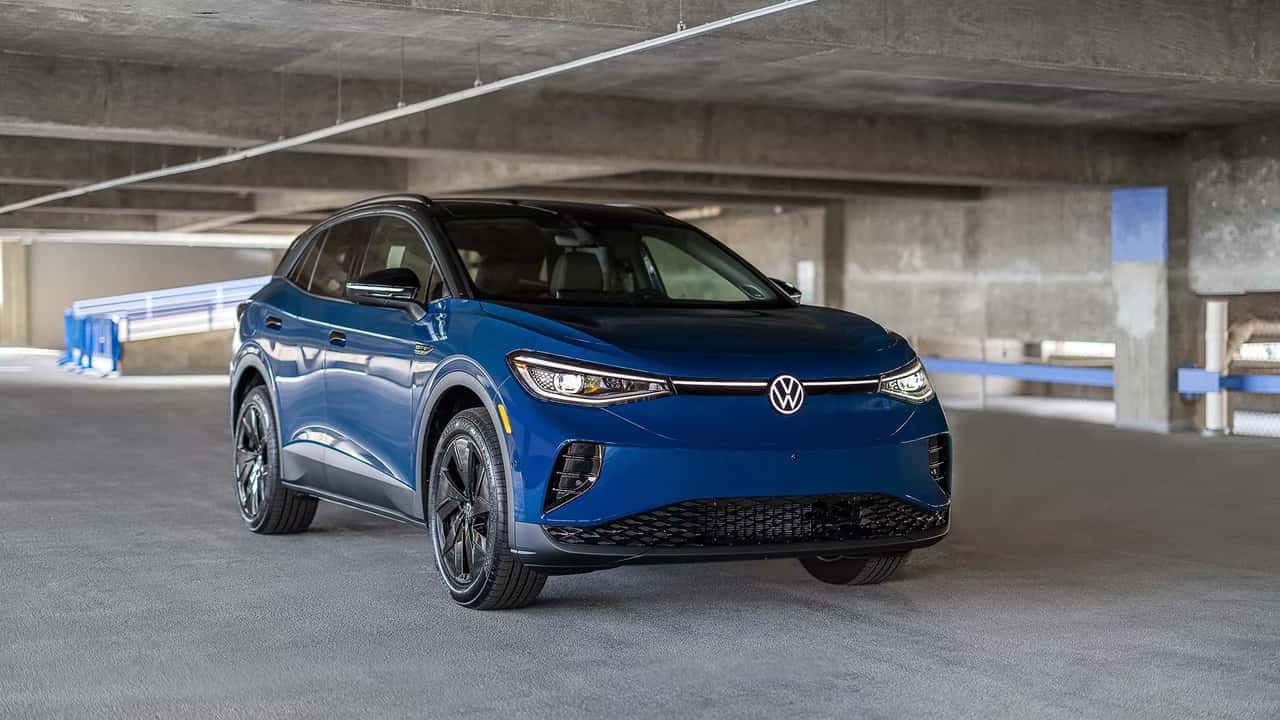
Neither Volkswagen nor SK Battery America, the battery manufacturer, has identified the root cause of these failures, despite what they describe as “extensive analysis of cell module and vehicle data.” Owners might notice reduced driving range or performance if their vehicle is affected.
A battery health check and installation of self-discharge detection software to help identify issues and prevent potential fires. If defective modules are found, they’ll be replaced free of charge. Until then, park outside, charge slow, and hope for the best.