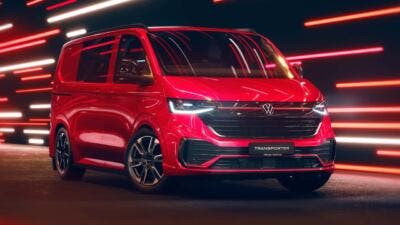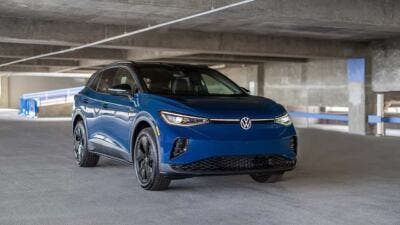
A fully disassembled electric motor can reveal far more than any technical specification sheet. That is exactly what American engineer Sandy Munro has done in recent weeks. Known for his detailed teardown analyses, which often attract attention from automakers and suppliers worldwide, Munro examined Volkswagen’s new APP550 electric motor. This unit powers several models within the Volkswagen Group, including the ID.4, ID.5 and ID.7, as well as the Škoda Enyaq and Audi Q4 e-tron. The results surprised even the most skeptical observers, challenging the widespread belief that Europe lags behind in the global electric technology race.
Volkswagen’s APP550 electric motor teardown reveals surprising engineering
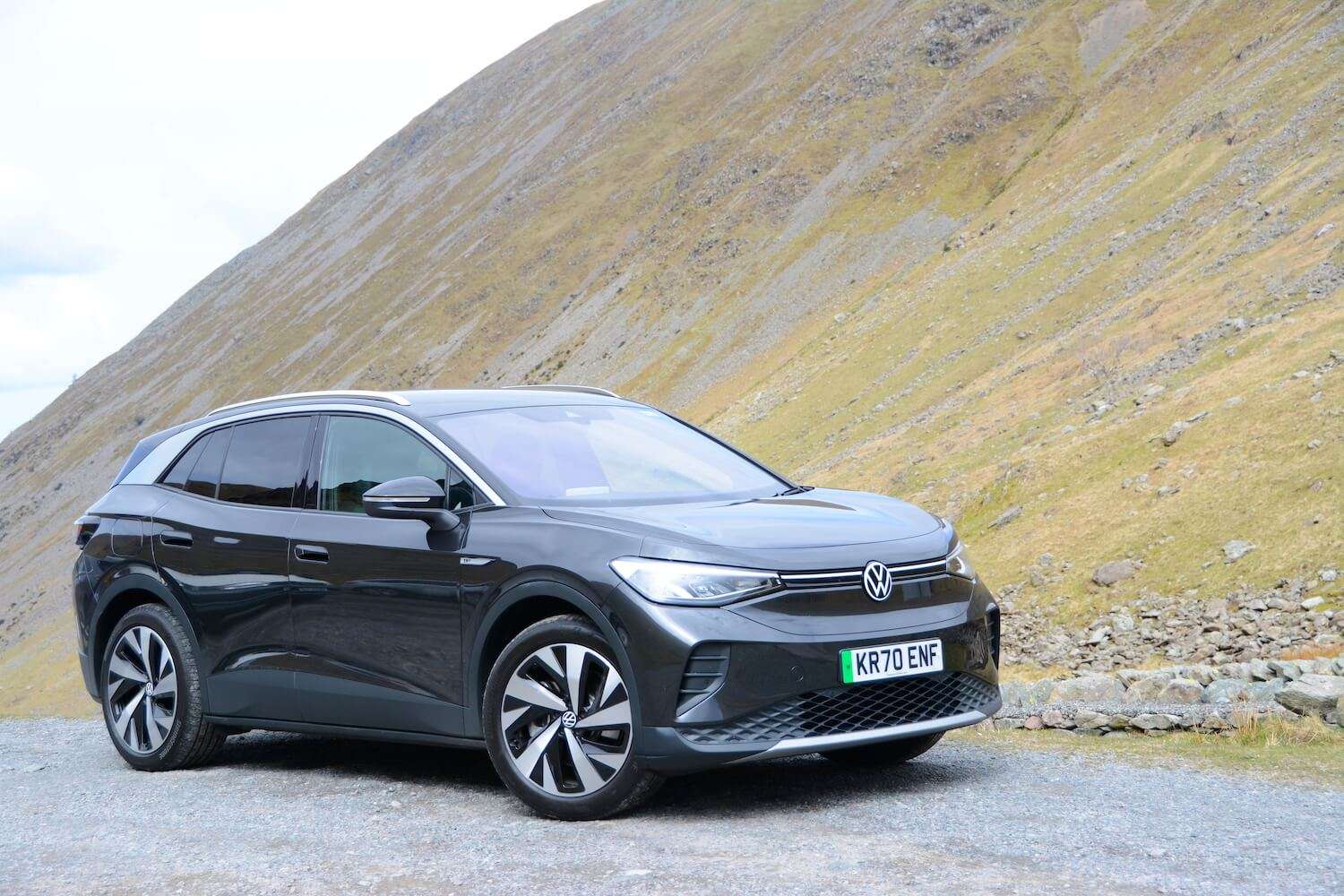
From a performance standpoint, the improvement over the previous generation is clear. The motor delivers 210 kW of power, equivalent to 286 horsepower, along with 560 Nm of torque. While these figures are impressive, they were not the most striking aspect revealed during the teardown. Munro highlighted the overall build quality, noting precise machining, tight tolerances and an assembly standard rarely seen even among today’s most advanced electric drive systems.
The core innovation lies within the rotor, where Volkswagen adopted a subtle yet highly effective solution. Instead of using single permanent magnets, engineers divided them into multiple slightly offset segments. This configuration creates a more uniform magnetic flow during rotation, reducing vibrations and noise while delivering noticeable comfort benefits inside the cabin.
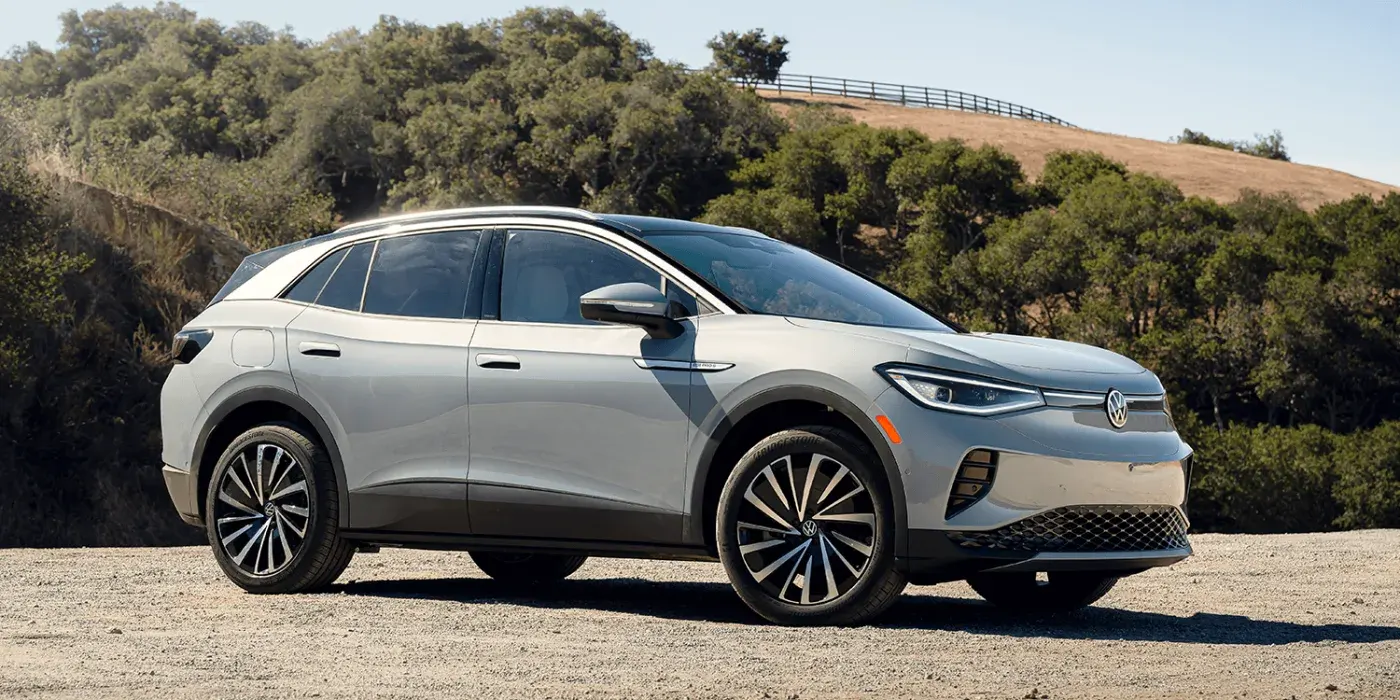
Engineers also placed strong emphasis on thermal management. The system combines oil and water cooling without relying on additional dedicated pumps. The lubricant circulates through the transmission itself, helping dissipate heat efficiently before it reaches the main cooling circuit. This approach reduces production costs while maintaining strong thermal performance.
According to Munro’s analysis, the APP550 also shows strong potential for future development. Its architecture already appears compatible with 800-volt systems, a technology expected to significantly reduce charging times at high-power stations and increasingly adopted by premium manufacturers.
As competition from Chinese automakers continues to grow, Volkswagen responds by focusing on build quality, an area where European brands still aim to maintain a competitive advantage.