

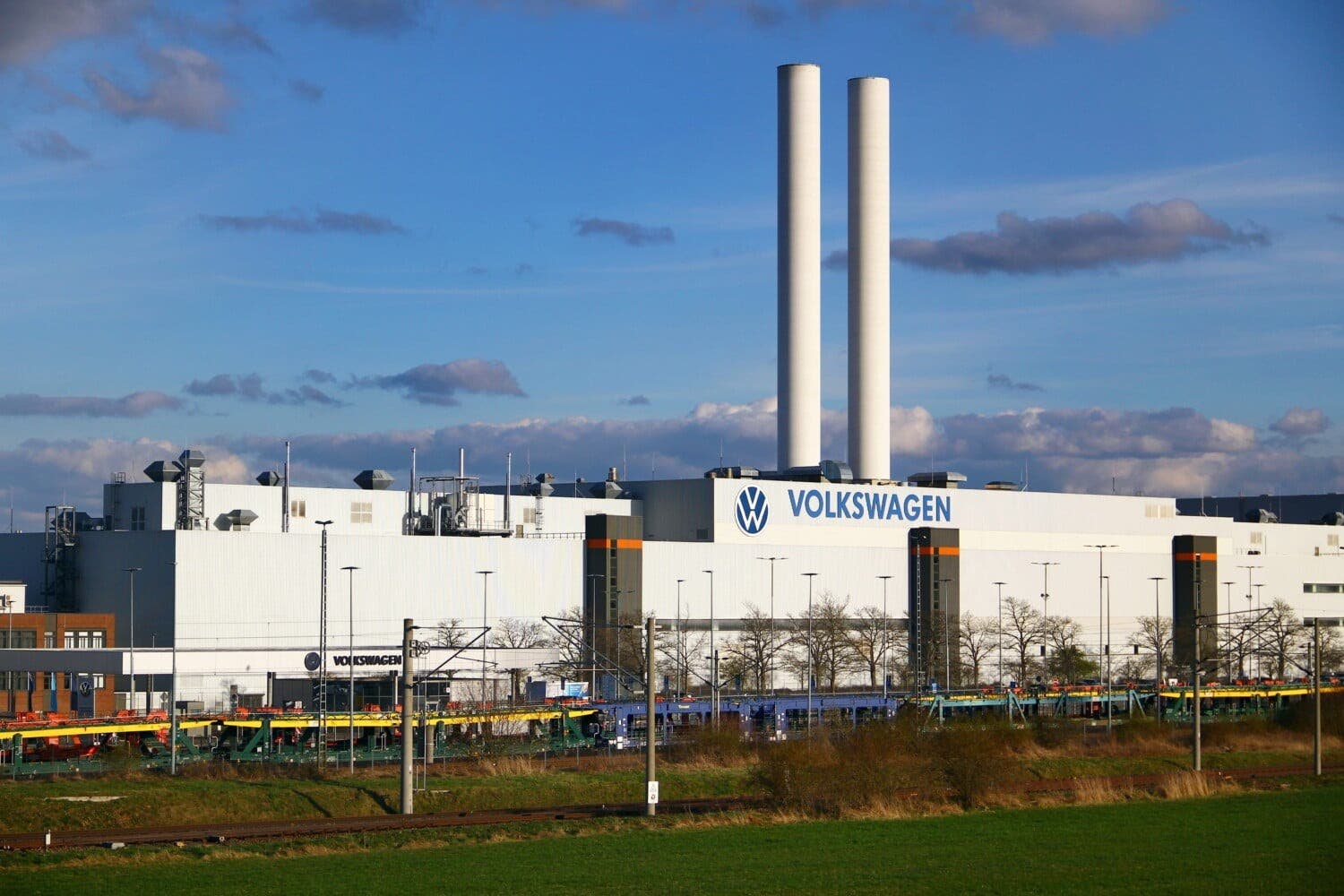
Volkswagen closed 2025 with net profit down 44%, falling to €6.9 billion, the lowest level since the Dieselgate scandal in 2016. The operating margin more than halved to 2.8% of revenue, weighed down by roughly €9 billion in extraordinary costs. These include €5 billion linked to Porsche’s revised electric strategy, as the brand had to extend the lifecycle of its combustion engines after realizing the transition would be more complex than expected. Another €3 billion resulted from tariffs introduced by Donald Trump, along with the costs tied to the group’s ongoing internal restructuring.
Volkswagen’s rescue plan could involve up to 50,000 job cuts
These results will likely affect the job cuts announced earlier, and the final number could exceed previous estimates. According to the latest indications, layoffs in Germany could approach 50,000 jobs by 2030, significantly higher than the 35,000 positions initially discussed. The restructuring no longer affects only the Volkswagen brand, which has faced pressure for some time, but also Audi, Porsche, and Cariad, the group’s software division. Cariad was originally expected to become a cornerstone of Volkswagen’s digital future but has instead turned into one of the most problematic areas over the past two years.
On the commercial side, the picture appears mixed. Europe and South America still provide some stability, but deliveries in North America have dropped by 12%, partly due to tariffs introduced by the Trump administration. The most delicate situation remains China, a market that for years represented one of Volkswagen’s main profit engines. The group’s share there continues to decline, with a 6% drop amid strong competition from local manufacturers. These rivals often move faster in development, offer more aggressive pricing, and align more closely with Chinese customer expectations in terms of technology and connectivity.
CEO Oliver Blume has acknowledged that profitability will remain under pressure in 2026, driven by rising raw material costs and increasingly intense competition. The group aims to restore margins to a range between 4% and 5.5%, a goal that will require action on multiple fronts. In China, Volkswagen is preparing a new offensive based on models developed specifically for that market. The company recognizes that brand prestige and technical know-how alone are no longer enough to defend a position that once seemed secure.
For Europe’s largest automaker, the coming years represent a phase in which adaptation is no longer optional but essential to remain relevant in an industry changing faster than many traditional manufacturers had anticipated.