
In the United States, Chinese cars remain almost entirely absent from the market, blocked by tariffs of more than 100 percent on electric vehicles imported from China, which Washington justifies on grounds that include data security, job protection, and the defense of domestic industry. Even so, American consumers do show interest in these models, and that interest appears more widespread than trade policy might suggest.
Many US consumers would welcome Chinese EVs, report says
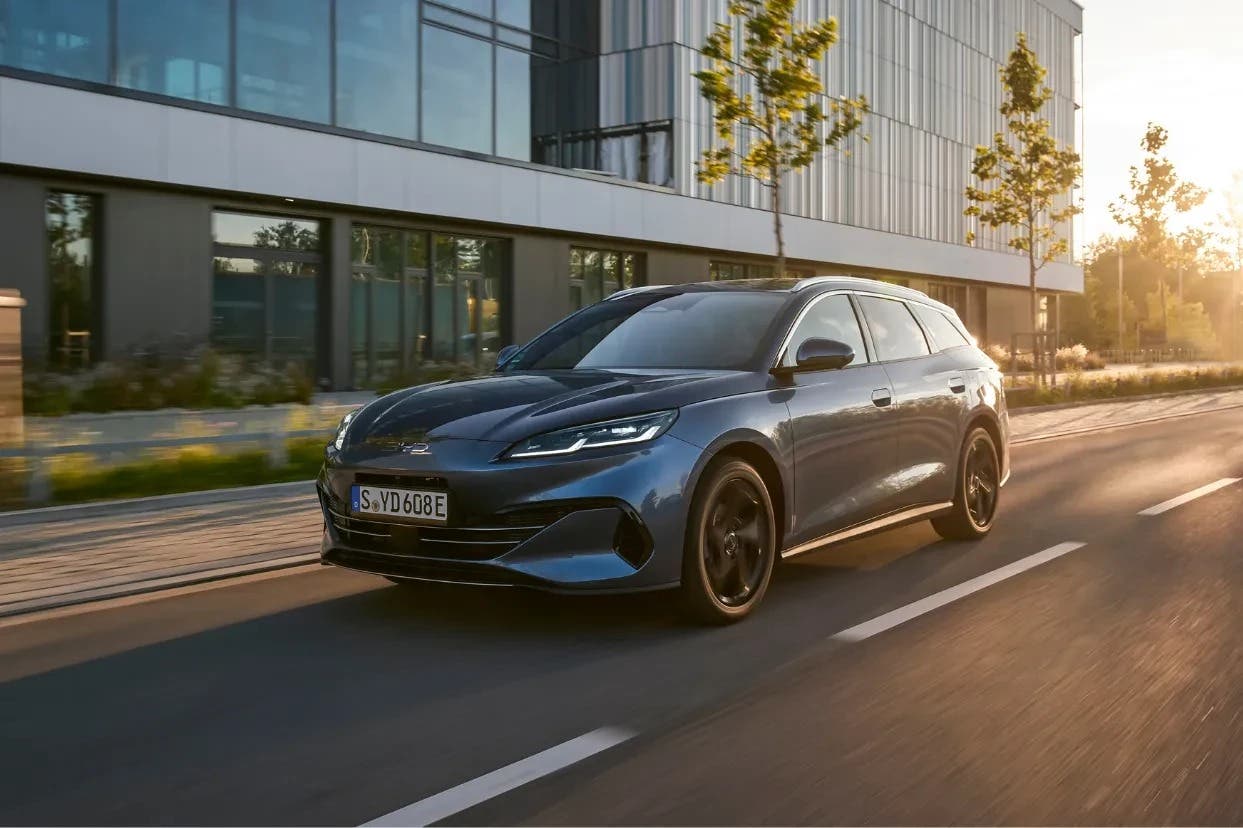
According to Reuters, about 40 percent of US consumers say they would welcome Chinese electric cars into the local market, drawn above all by the relationship between price, equipment, and technology. In a context where the average price of a new car is approaching $50,000, the prospect of modern, well-equipped electric models sold for under $30,000, or the local equivalent, is starting to look genuinely attractive to a growing share of buyers, especially younger ones and those more sensitive to affordability.
Price is not the only strength of these vehicles. Chinese automakers routinely offer advanced driver-assistance systems, highly digital interiors, and large screens as standard equipment, elements that in other markets represent a clear step up from the traditional offering in the same price range. Reuters notes that this combination is fueling curiosity among the American public, even among people who have never had direct contact with these brands.
On the political and industrial side, however, the picture remains far from any real opening. US authorities continue to see Chinese automakers as a potential threat both to employment and to technological security, and several industry associations have urged the government to maintain a hard line against their entry.
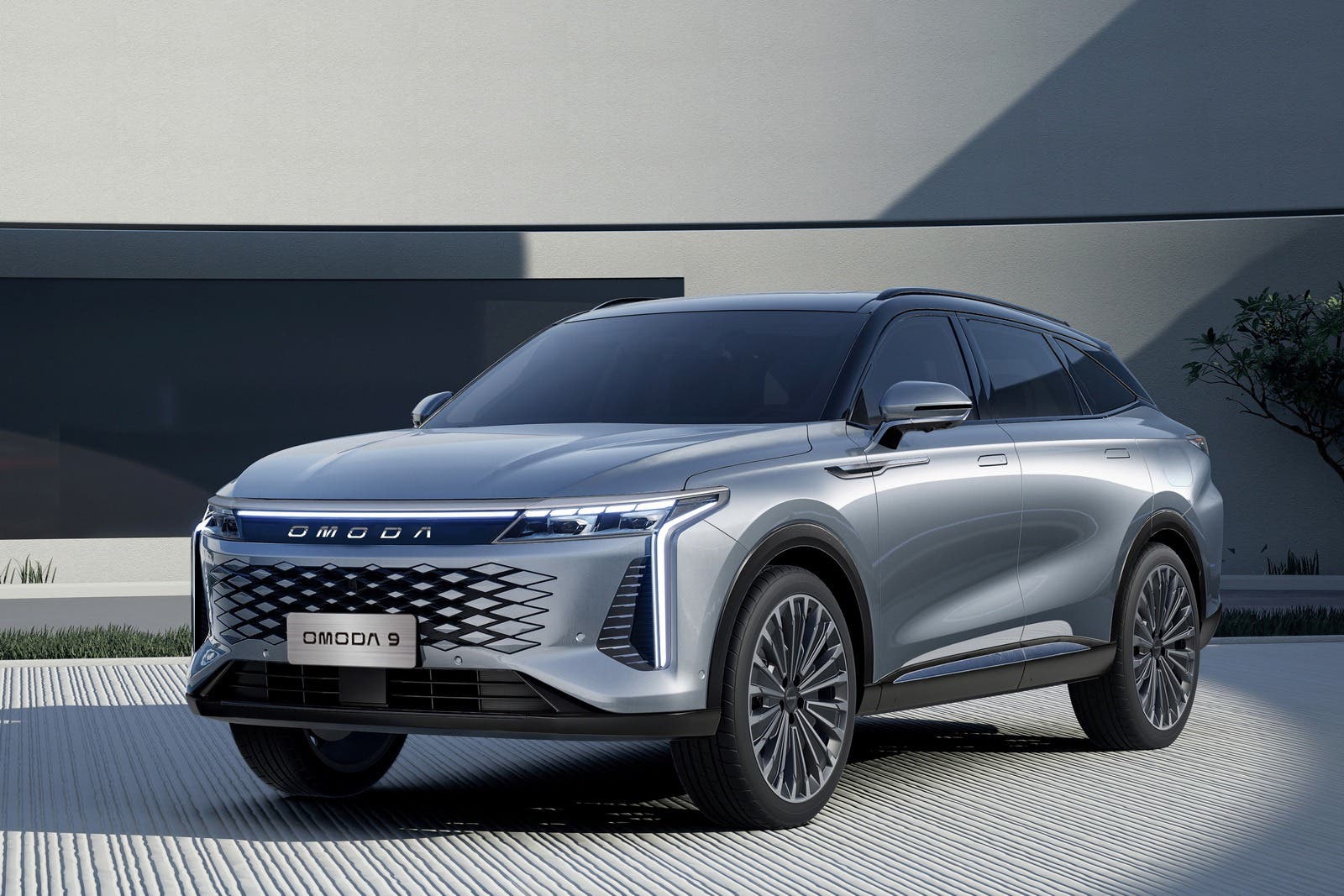
At the same time, the rest of the world is moving in the opposite direction. In 2025, Chinese automakers exported 8.32 million vehicles, strengthening China’s position as the world’s leading car exporter. Countries such as Canada and Mexico are gradually opening spaces that could prove strategic for a deeper push into North America.
The core issue, then, does not concern consumer approval, which according to the available data already exists to a significant degree. The issue remains political and commercial, with the United States for now deliberately choosing to keep closed a market that a substantial share of its own buyers might be willing to open.