Uber, the San Francisco-based giant that reshaped urban mobility across 15,000 cities in roughly 70 markets worldwide, seems perfectly fine with replacing its own drivers with algorithms. The only question left is whether it can do it faster than Waymo or Tesla. Spoiler, it’s trying hard.
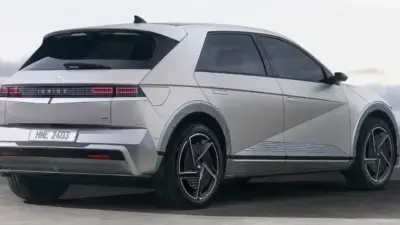
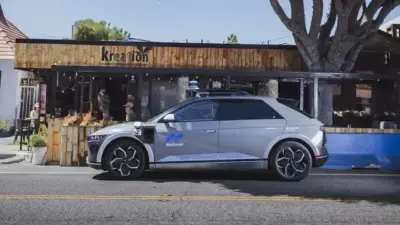
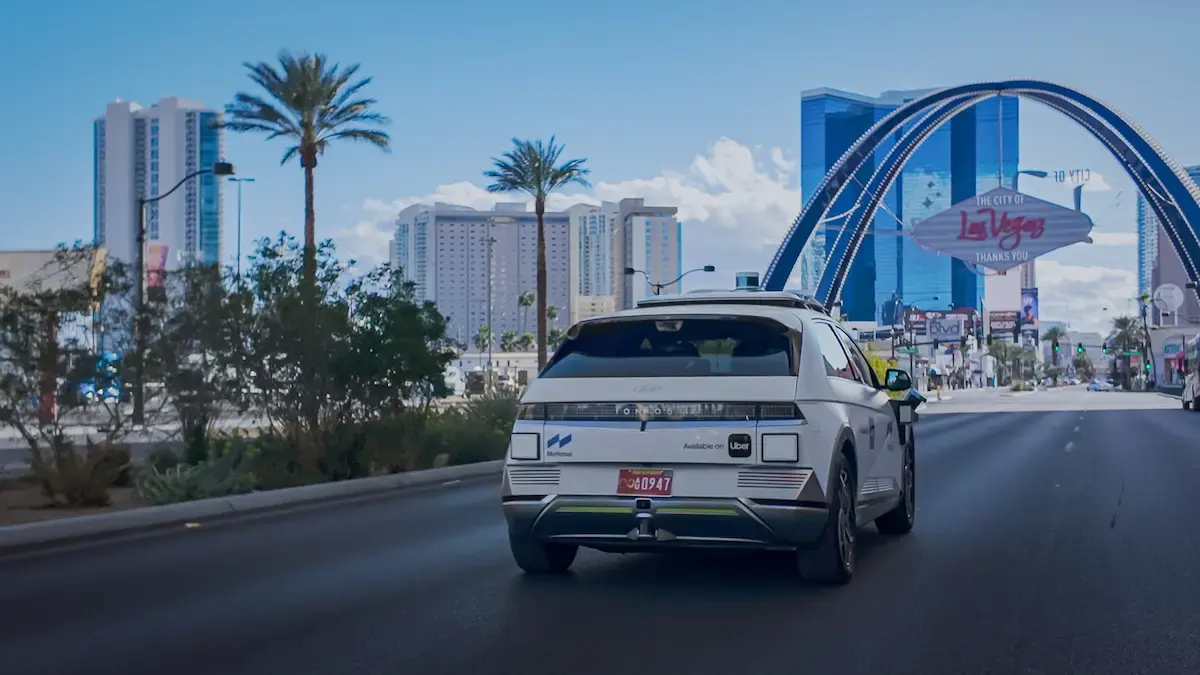
On March 13, 2026, Uber and Motional quietly dropped something significant on Las Vegas. A fully operational robotaxi service powered by the Hyundai-supplied Motional Ioniq 5, a fully electric, SAE Level 4-certified autonomous vehicle, one of the first to meet federal US motor vehicle safety standards (FMVSS).
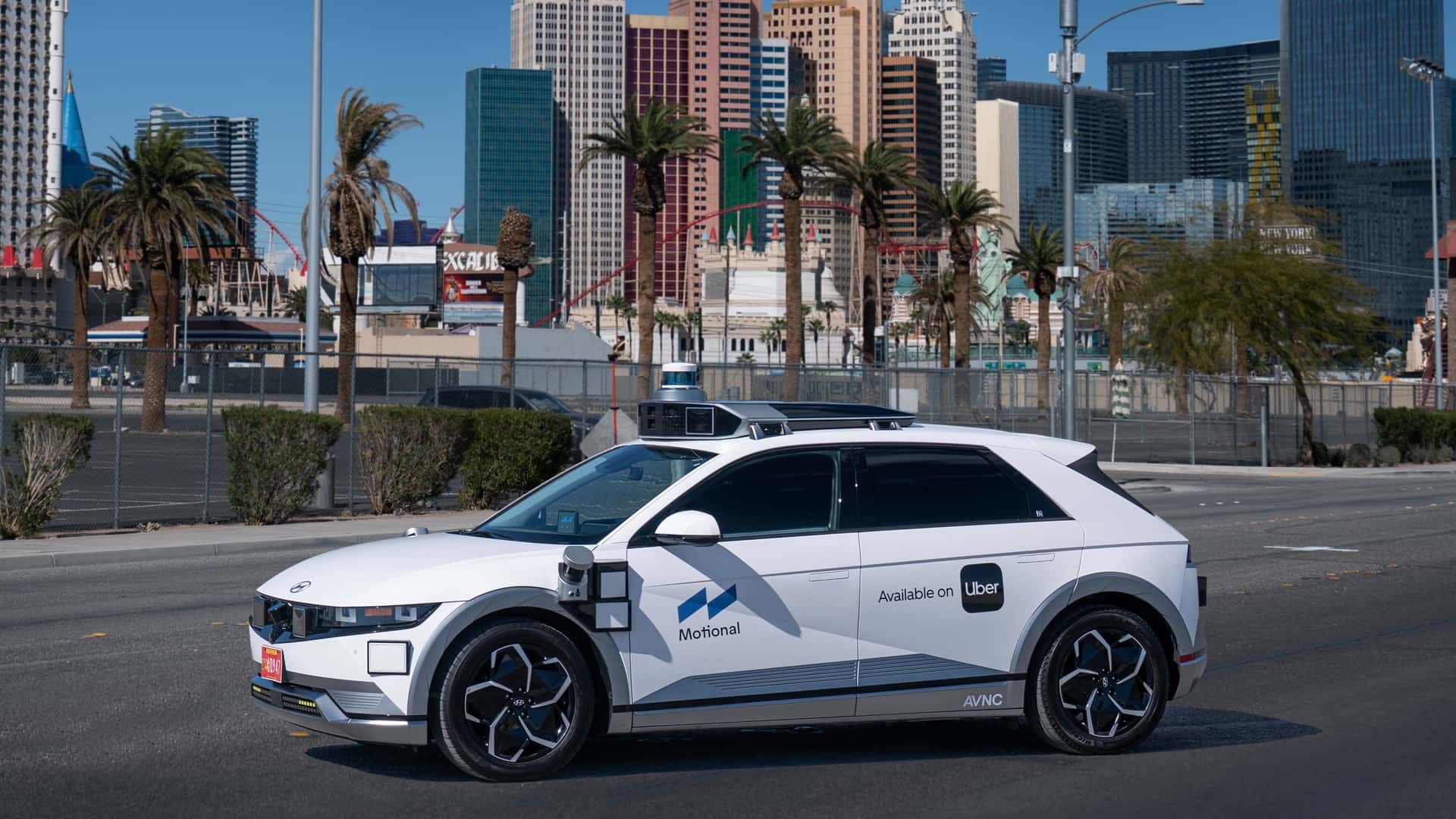
For now, riders can hail one of these driverless machines through standard UberX, Uber Electric, Uber Comfort, or Uber Comfort Electric options, with zero surcharge. If the algorithm matches you to a robotaxi, you get a notification. You can accept it or quietly pretend you’re not ready for the future and opt out.
The launch area currently covers key points along the Las Vegas Boulevard, including ridesharing zones at Resorts World, Encore at Wynn, Westgate Las Vegas, downtown streets, and the Town Square commercial area near the airport. Expansion is already on the roadmap. Inside the vehicle, voice prompts guide passengers through door-closing and seatbelt protocols.
There’s a small asterisk worth noting. During this initial phase, all Motional robotaxis will carry a human safety operator monitoring from the driver’s seat. Full driverless operations are expected before the end of 2026. Think of it as a robot with a babysitter, for now.
Meanwhile, Uber isn’t putting all its autonomous eggs in one desert basket. The company has also partnered with AI driving tech firm Wayve, and alongside Nissan, signed a memorandum of understanding to develop robotaxi services in Japan. A pilot program is set to launch in Tokyo by the end of 2026, using the fully electric Nissan Leaf equipped with Wayve’s autonomous driving system, all bookable through the Uber app.