

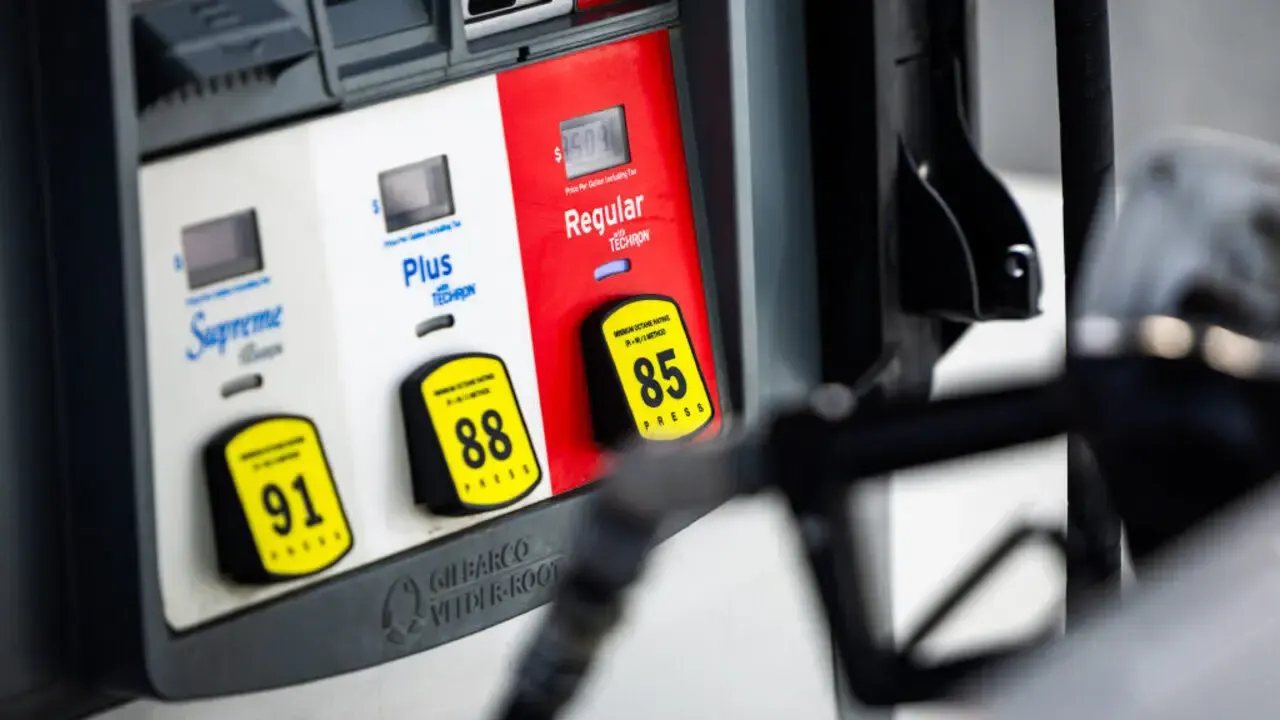
The war with Iran has a price tag, and right now, Americans are paying it one gallon at a time. Since the US and Israel launched joint strikes against Iran on February 28, the national average for a gallon of regular gasoline has jumped from $2.98 to $3.79. The highest level since October 2023, according to AAA. Diesel crossed $5 a gallon. Brent crude surged past $103 a barrel, up from roughly $70 just weeks ago. And the US benchmark topped $96. Do the math, it’s not pretty.
From New Jersey to Pennsylvania, American drivers are doing the same grim calculation at every gas station: less fuel, more money, same destination. Meanwhile, at the White House, the messaging has been quietly updated. Before the war, President Trump made a point of bragging about low gas prices. Now that prices have spiked, he’s reframed the whole thing as a win, because, as he explained last week, the US is the world’s largest oil producer, so “when oil prices go up, we make a lot of money”. Technically true. Cold comfort if you’re commuting in a pickup truck.
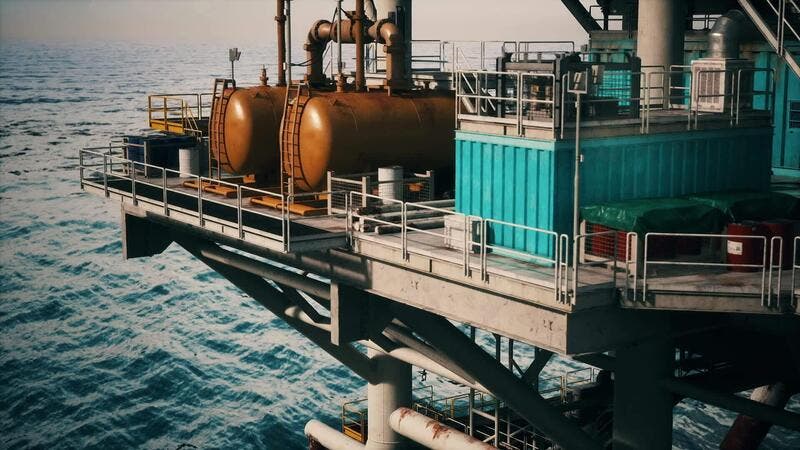
The structural problem is this. Oil is a globally traded commodity, and the US, despite its production dominance, still depends on imports, because most American refineries are built to process heavier crude than what domestic wells produce. Add to that Iran’s effective blockade of the Strait of Hormuz, once the passage for roughly one-fifth of the world’s daily oil supply, and the math gets uglier fast.
The IEA pledged 400 million barrels from member nations’ reserves. The US committed 172 million from its Strategic Petroleum Reserve. The Trump administration even temporarily lifted sanctions on Russian oil, a sentence that would have seemed surreal 18 months ago. Analysts, however, are polite but clear: these are band-aids, not surgery.
The economic downstream is already visible. Higher fuel costs don’t stay at the gas station, they ripple through food transport, utilities, and consumer spending. The combined inflationary pressure, layered on top of wartime uncertainty, tends to freeze economic behavior. Families delay big purchases, skip the new car, hold off on the house.