

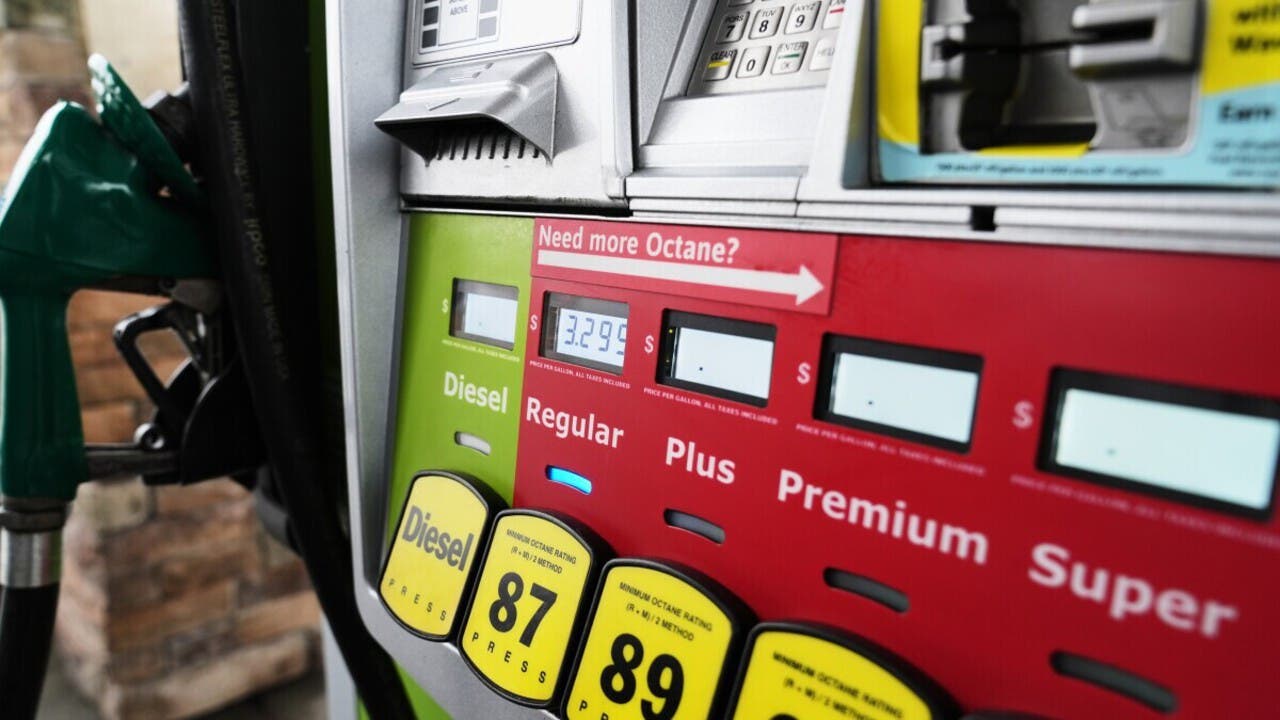
The average American wasn’t closely monitoring the Strait of Hormuz last week. Then the gas station reminded them it exists. According to AAA, the national average for a gallon of regular unleaded has climbed to $3.54, up from $2.92 just a month ago. That’s not seasonal creep. That’s a geopolitical gut punch arriving slightly ahead of schedule.
The proximate cause is the ongoing US-Israel military campaign against Iran, which has already taken out five major Iranian oil production sites. The crude is literally on fire. Speculative oil futures spiked over 35% in the opening days of the conflict before partially retreating, but “partially retreated” still means the highest prices in twelve months.
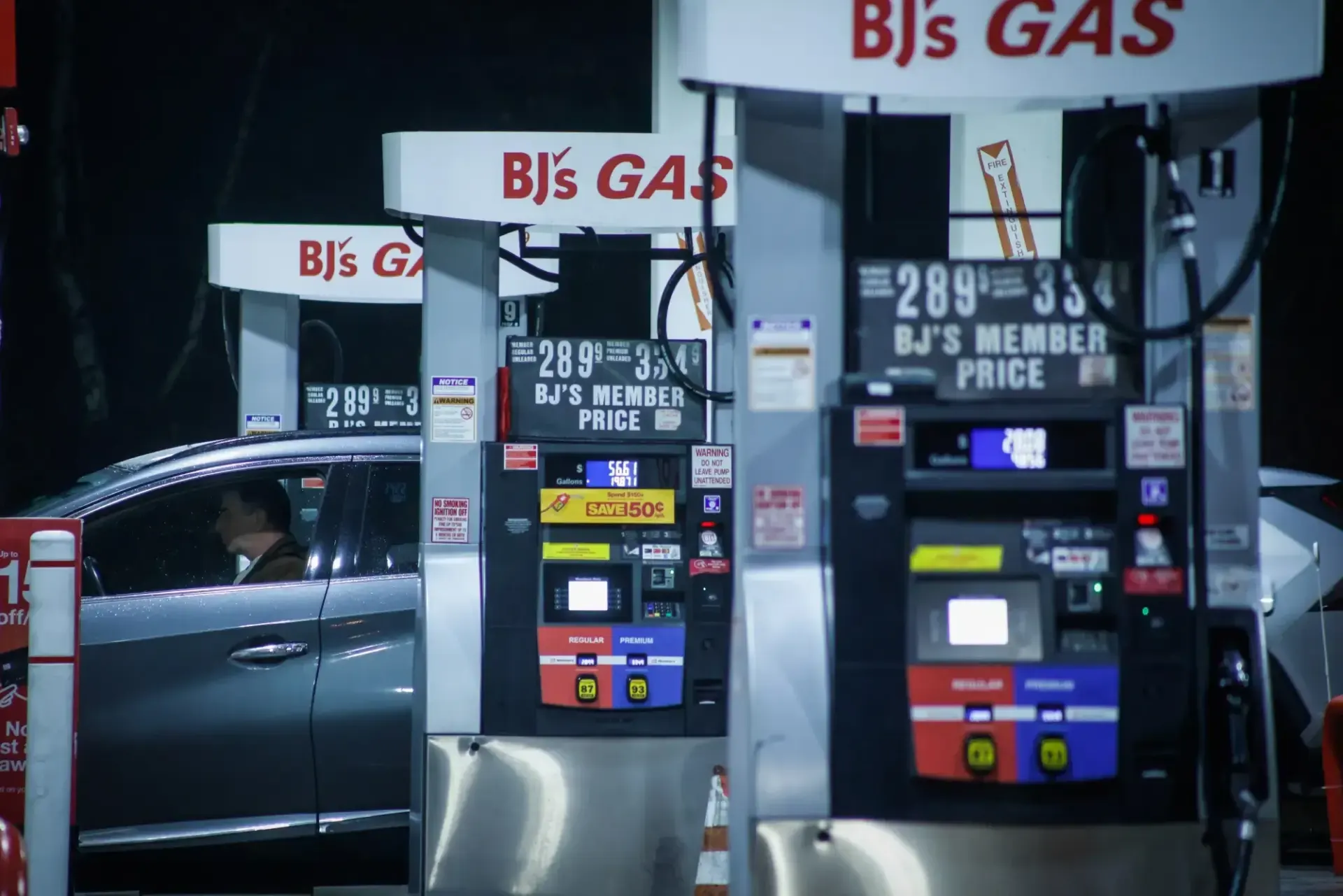
Here’s where it gets structurally complicated. The Strait of Hormuz, the only maritime exit from the Persian Gulf to open ocean, handles roughly 25% of the world’s fossil fuel supply annually. Iran has been explicit about its strategy: choke the exports. When the chokepoint becomes a combat zone, supply chain math gets ugly fast.
The messaging from Washington hasn’t exactly clarified things. President Trump told reporters the war is “almost complete”. Secretary of Defense Pete Hegseth simultaneously announced this would be “the most intense day of attacks yet”. Both statements were issued within the same news cycle. Markets, predictably, don’t love that kind of poetry.
Trump’s 2024 election had actually pushed speculative oil prices down. What we’re seeing now essentially erases that discount, returning fuel costs to late-Biden-era territory.
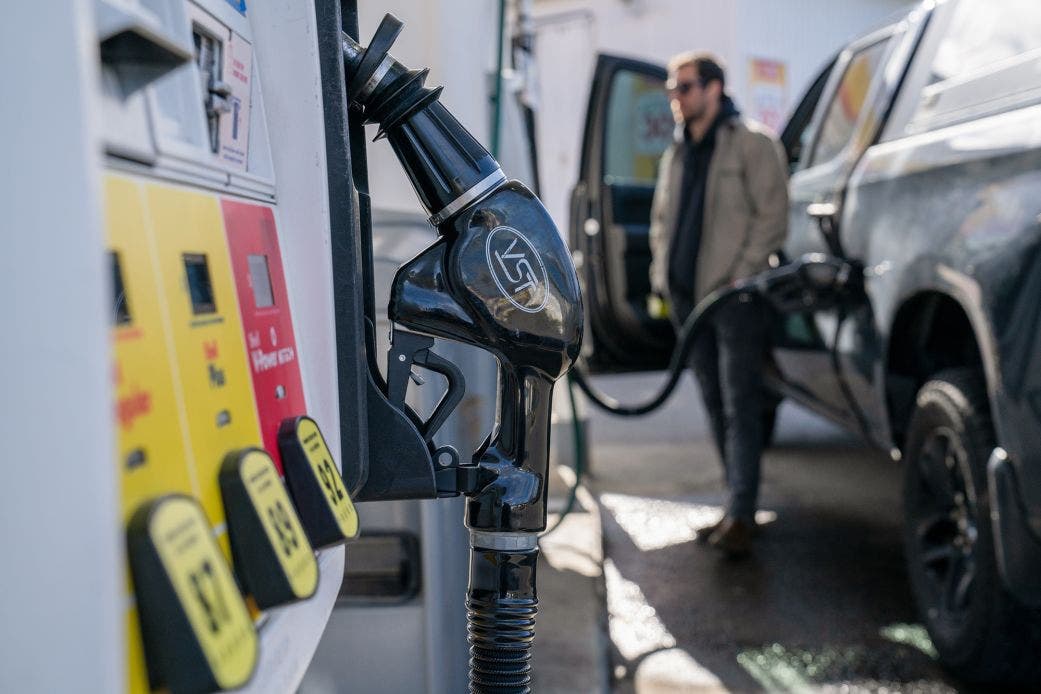
If the conflict extends into summer, analysts project crude could breach $100 per barrel, dragging the pump price past $4 for regular. Combined with existing inflation, new import tariffs, and a softening job market, that’s a sequence of economic body blows that American consumers are poorly positioned to absorb right now.
The automotive angle? Don’t ignore it. The V8 revival, briefly plausible after recent US emissions rollbacks, may find itself politically alive but economically inconvenient. Consumers facing $4-plus gasoline tend to make different choices in dealership showrooms. Detroit was just starting to breathe again.
Trump has suggested energy prices will fall once Iran’s nuclear threat is “finished”. Hegseth suggests the finishing isn’t quite finished. The only number that isn’t contradicting itself right now is the one on the pump.