

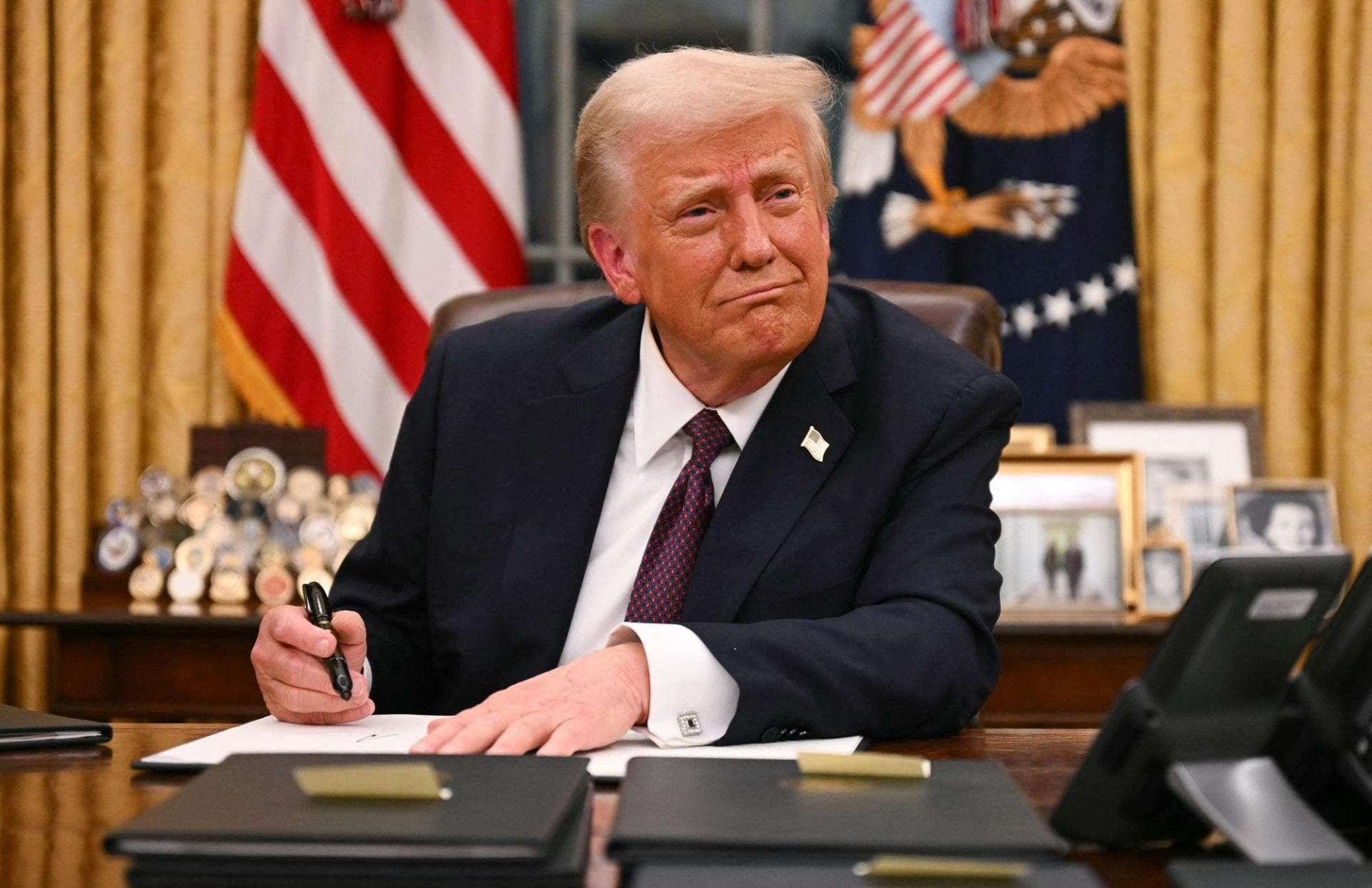
Canada’s decision to open its market to Chinese electric vehicles is stirring strong reactions, especially in the United States. The controversy does not stem so much from the numbers involved, but from the political and economic message behind the move. Ottawa has chosen to sharply reduce tariffs on a portion of EVs produced in China, a decision that reshapes the balance at a particularly sensitive moment for the North American auto industry.
Canada opens the door to Chinese EVs, triggering strong reaction in the U.S.
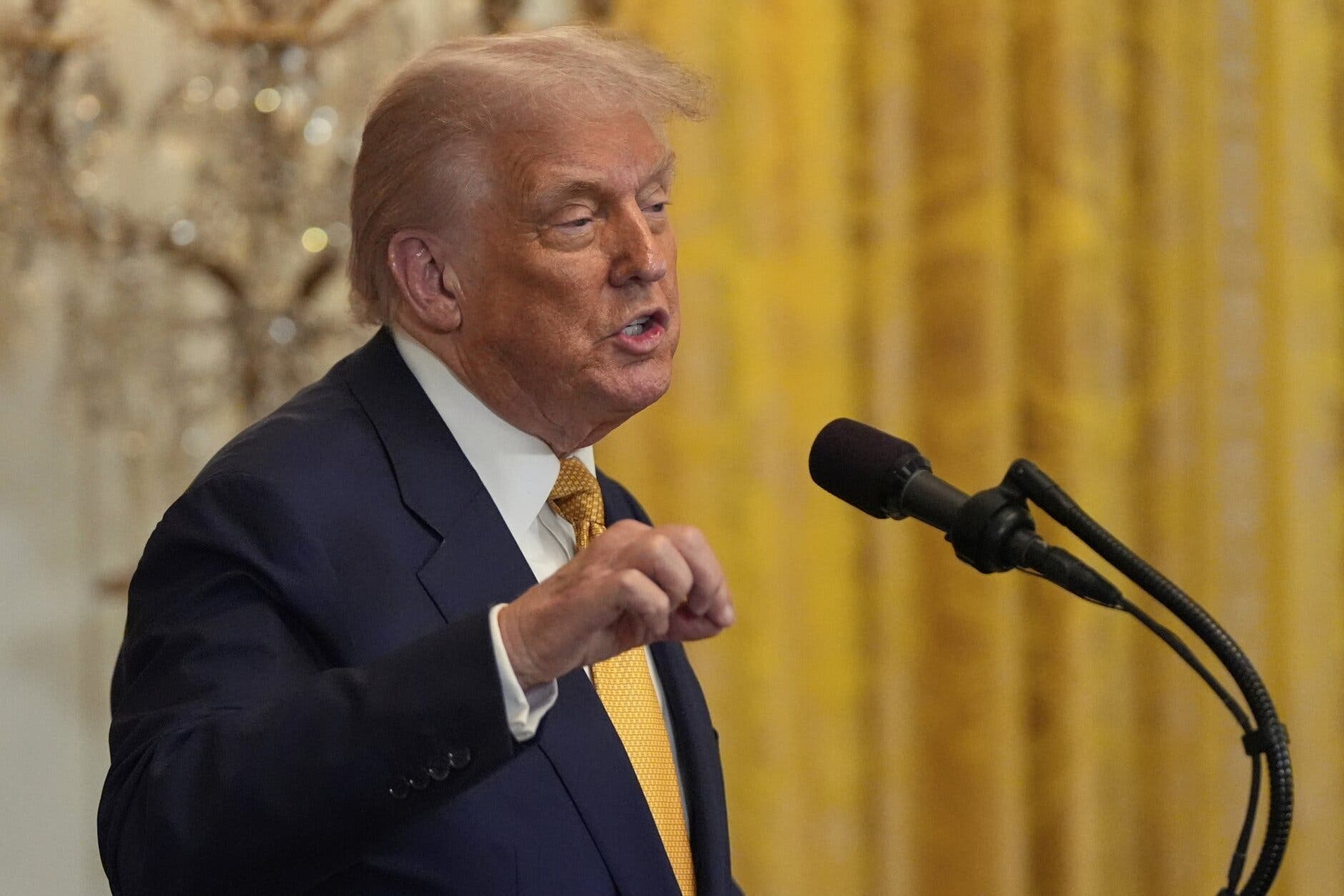
The reaction in the United States came quickly. Donald Trump used harsh language, claiming that Canada has put itself in a position of weakness and warning that the move could have serious consequences for the entire industrial supply chain. In his public statements, he described the agreement as harmful and accused Beijing of gaining ground just as Washington tries to contain the expansion of China’s automotive industry.
U.S. Transportation Secretary Sean Duffy echoed those concerns, arguing that Canada will eventually pay a high price for allowing Chinese electric vehicles into the North American market. From the U.S. perspective, this opening represents a strategic risk rather than a commercial opportunity.
Trump even raised the possibility of new tariffs against Ottawa, going so far as to mention duties of up to 100 percent on certain imports. Such a move would have major consequences, given that a significant share of vehicles sold in the United States are assembled in Canada. Popular models from brands like Toyota, Honda, and Chevrolet could see immediate price increases.
On the other side, the Canadian government continues to defend its decision. Ottawa argues that the goal is to make electric vehicles more affordable at a time when prices remain high and the transition to zero-emission mobility is moving slowly. Officials also stress that the agreement fully complies with North American trade rules and does not violate any existing commitments.
The situation becomes even more interesting when compared with other countries’ strategies. Mexico, for example, has chosen to raise stronger barriers against Chinese vehicles, while demand for EVs in the United States has started to cool. Canada, by contrast, appears eager to seize the moment, attract more affordable products, and accelerate the adoption of electric mobility.
What happens next remains uncertain. Chinese automakers will likely gain ground quickly in the Canadian market, but it remains unclear whether this move will trigger a broader political and trade reaction. Trump sees a major risk ahead. Others view it as a pragmatic shift in strategy. As often happens, only time will tell who was right.