

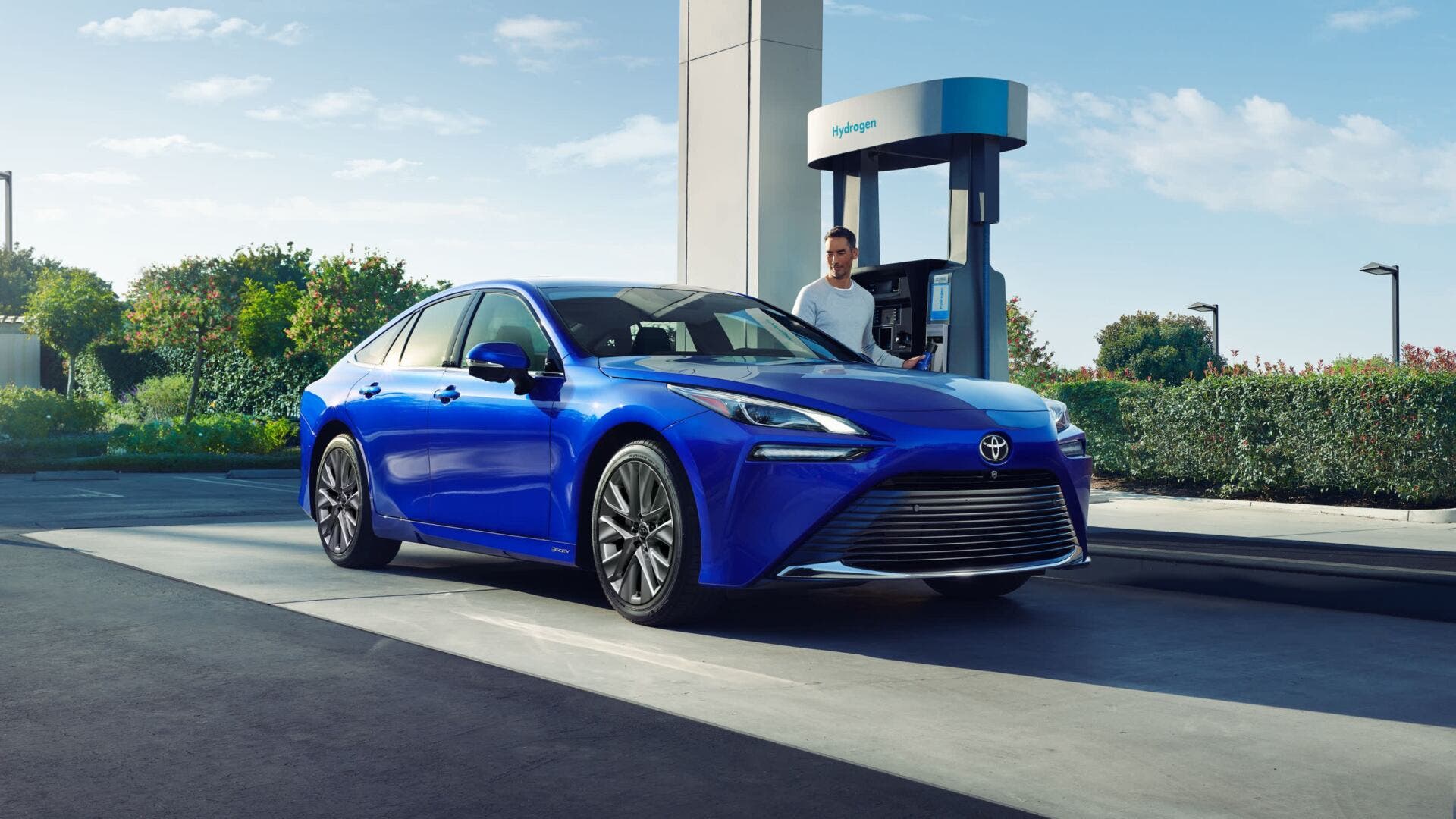
A patent filed by Toyota describes a compact hydrogen-powered gas turbine, with an estimated output between 13 and 130 hp. The document does not clarify the system’s final application, but the power range suggests a possible use on board a vehicle, perhaps as an auxiliary generator or as an experimental solution for future models. The technology, so far mainly associated with aviation, marine applications and helicopters, would therefore enter new territory for the automotive industry.
Toyota patents compact hydrogen gas turbine as it looks beyond battery EVs
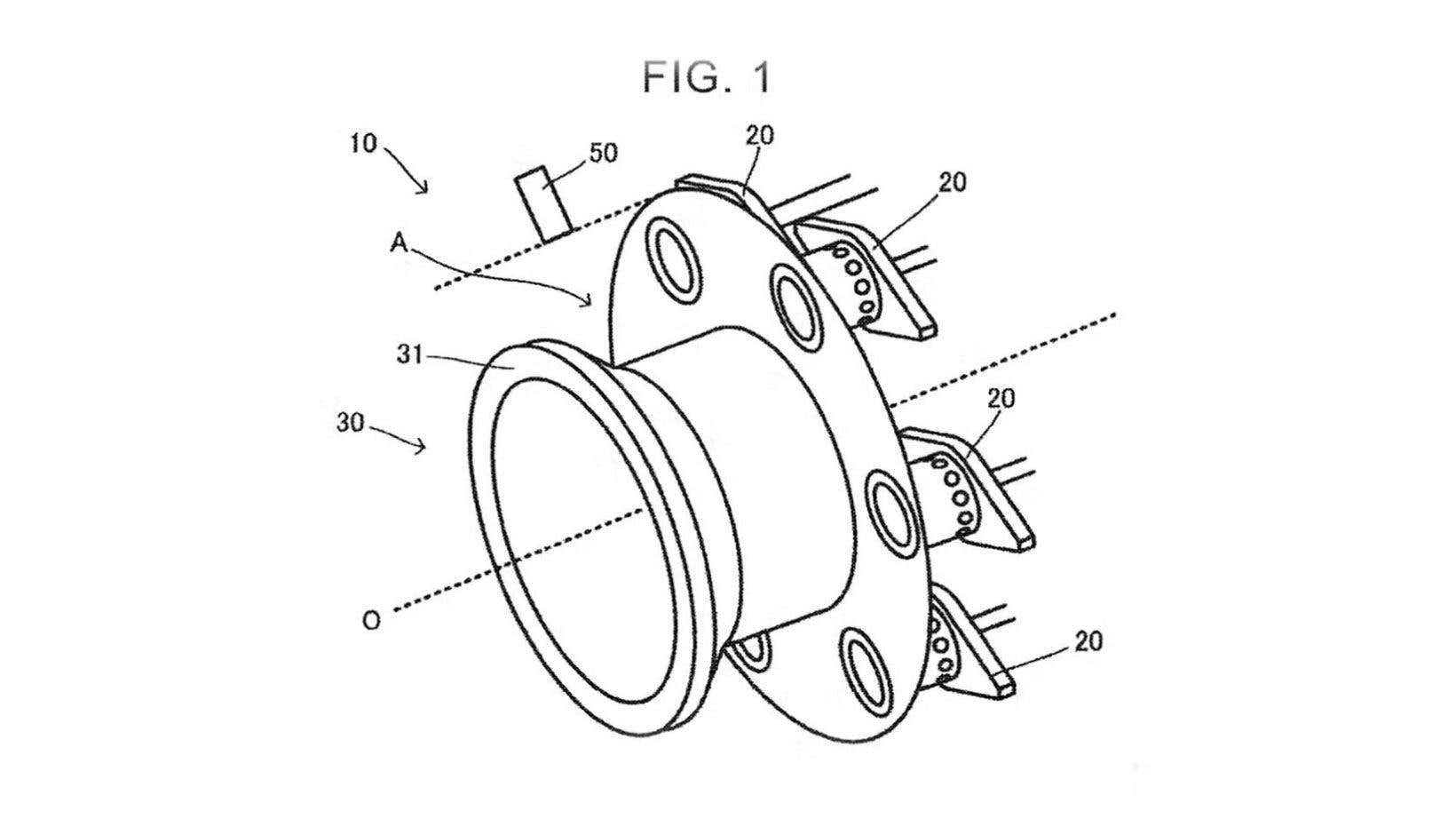
The main technical challenge concerns the management of hydrogen combustion, which behaves very differently from gasoline and diesel. Hydrogen is lighter, ignites in a different way and can generate extremely high temperatures. To address these issues, the patent describes a system based on multiple injectors that mix compressed air and hydrogen before ignition, with the aim of achieving more uniform combustion.
Careful management of the mixture would also help reduce the formation of nitrogen oxides, a recurring problem in high-temperature combustion. At the same time, the turbine structure would allow Toyota to optimize the space inside the combustion chamber, a decisive factor in miniaturizing a technology originally designed for much larger applications.
The automotive industry has explored turbines before. In the 1960s, Chrysler developed prototypes capable of running on different fuels, but the project stalled because of high consumption, excessive exhaust heat and limitations in everyday use. Toyota will have to prove that hydrogen can overcome those historical obstacles.
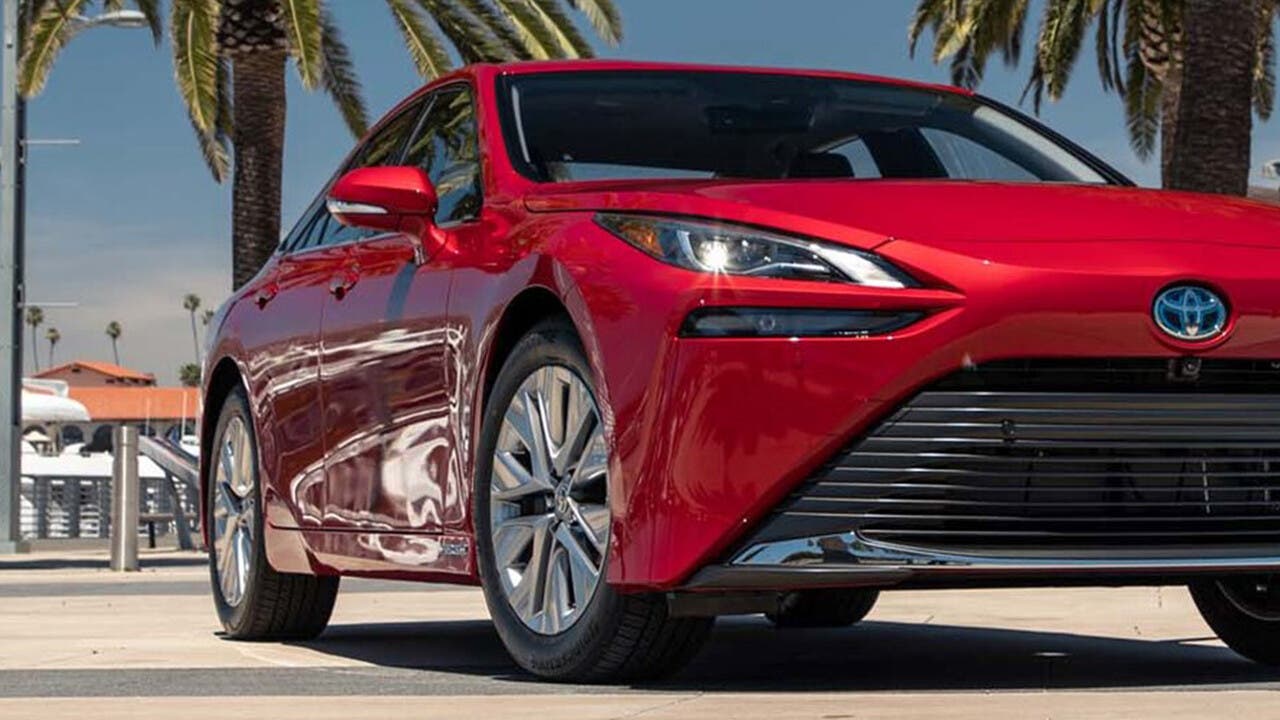
The patent fits into the Japanese manufacturer’s declared strategy, which continues to spread investment across hybrids, alternative fuels and hydrogen rather than focusing exclusively on battery-electric vehicles. That position also continues to raise doubts, especially given the modest results of the Toyota Mirai and the lack of a sufficiently widespread hydrogen refueling network.
Without adequate infrastructure, even the most advanced technical solution risks remaining confined to the experimental phase. Toyota’s insistence on alternative paths continues to fuel the suspicion that the group is trying to soften the direct confrontation with the mass electric transition.