

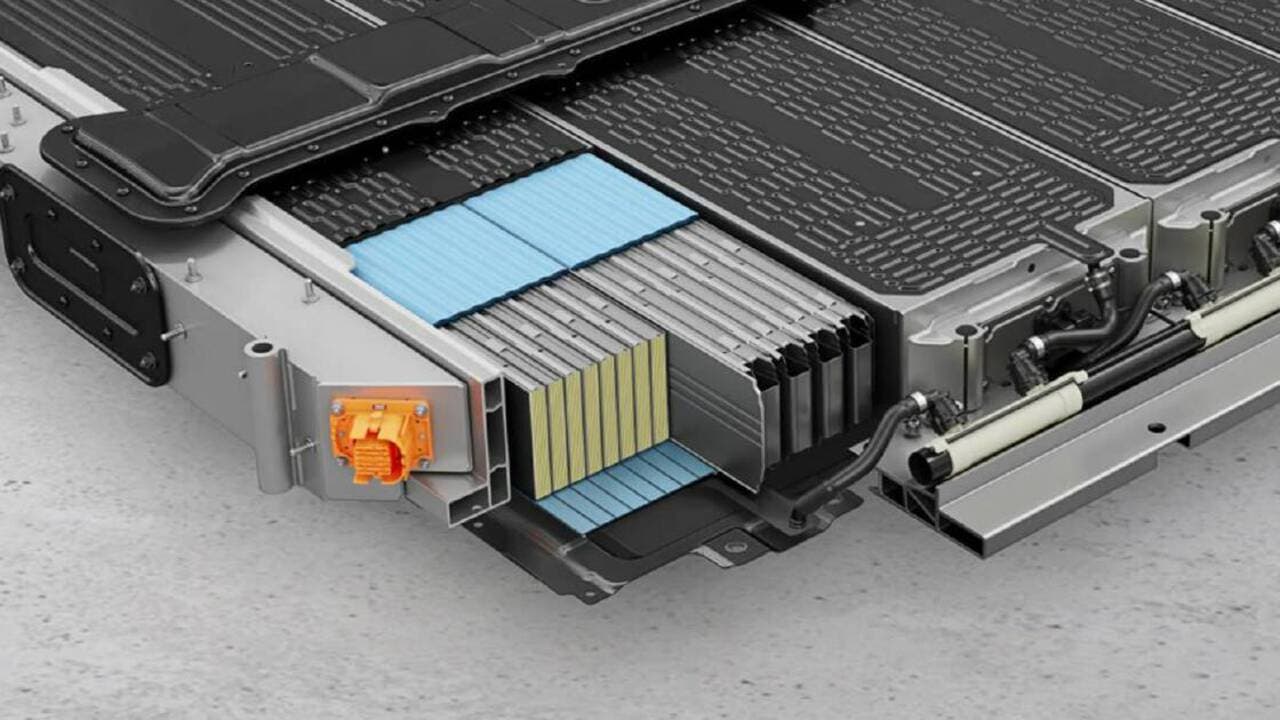
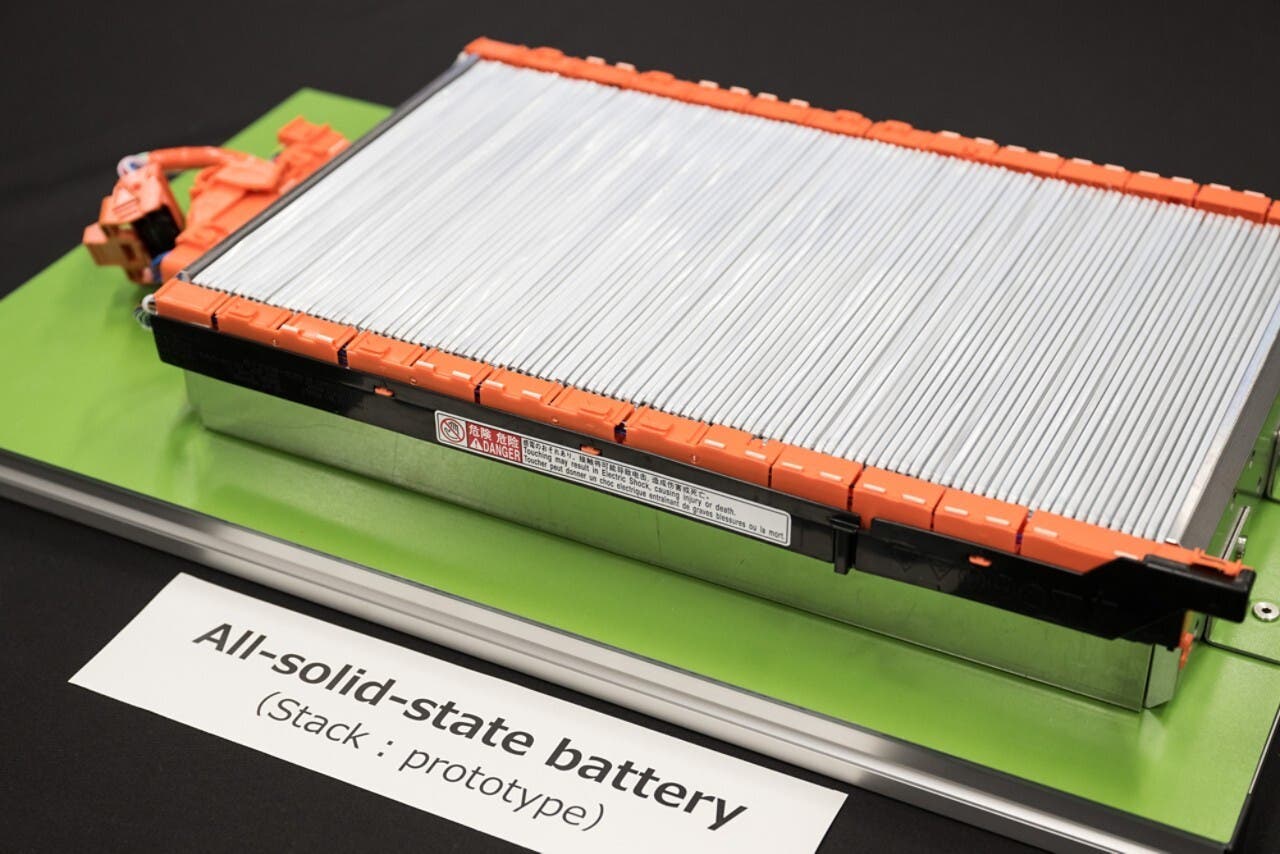
Toyota has apparently decided that the future of electric vehicles hinges on solving a problem we all pretend doesn’t exist. Nobody trusts them enough to buy one. The Japanese automaker is betting big on solid-state battery technology, promising an electric vehicle that can travel 1,200 kilometers on a single charge and recharge in roughly 10 minutes.
The company estimates these miracle batteries could hit the market by 2027 or 2028, assuming nothing goes catastrophically wrong in the meantime. This timeline feels optimistic for an industry that still hasn’t figured out how to make charging stations as ubiquitous as gas pumps, but Toyota seems determined to make electric vehicles less terrifying for the 74% of Americans who, according to a Washington Post and University of Maryland survey, still believe gasoline-powered cars are superior for trips over 250 miles. Only 10% of respondents found electric vehicle charging convenient, which tells you everything about the current state of infrastructure.
To address this glaring issue, Toyota signed an agreement with Tesla in October, granting its customers access to 12,000 Tesla Superchargers across North America. It’s a partnership forged less out of camaraderie and more out of mutual acknowledgment that public charging networks remain a dystopian nightmare. Starting in 2025, Toyota vehicles will also adopt the North American Charging Standard (NACS), standardizing the chaotic landscape of charging plugs that currently resembles a choose-your-own-adventure game nobody asked to play.
Despite the enthusiasm, Toyota President Koji Sato urged caution at an October press conference, emphasizing the importance of actually getting the batteries to market before worrying about mass production. It’s a refreshingly honest admission that even groundbreaking technology means nothing if it never leaves the lab.
The environmental case for electric vehicles remains solid. The EPA confirms that EVs produce significantly less planet-warming pollution over their lifetime compared to gas-powered alternatives, especially as battery recycling reduces dependence on mining lithium and cobalt.