

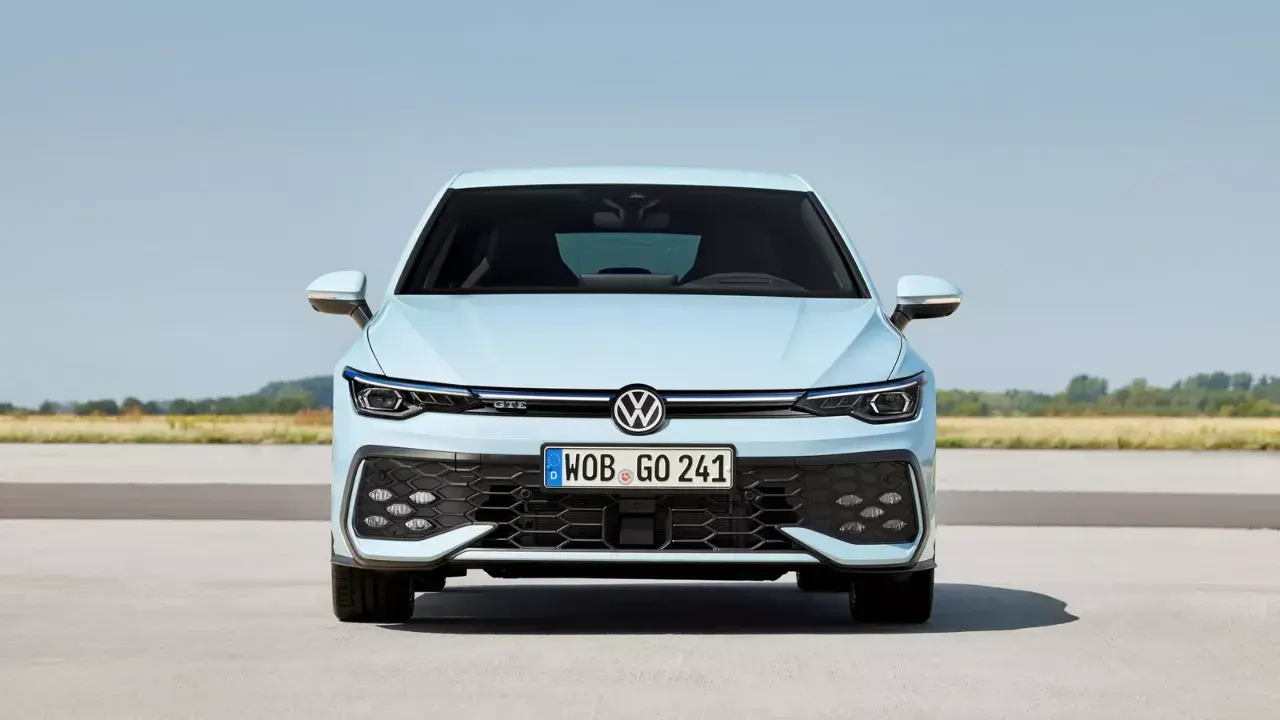
The Volkswagen Golf has survived oil crises, questionable aesthetic phases in the nineties, and the ever-looming threat of the SUV takeover. But as it turns out, the one thing the “People’s Car” might not survive is the transition to the much-hyped SSP platform. At the recent “Future of the Car” summit in London, Thomas Schäfer, the man currently steering the Volkswagen brand through the turbulent waters of electrification, dropped a truth bomb that felt more like a lead weight. Don’t hold your breath for an electric Golf in 2028.
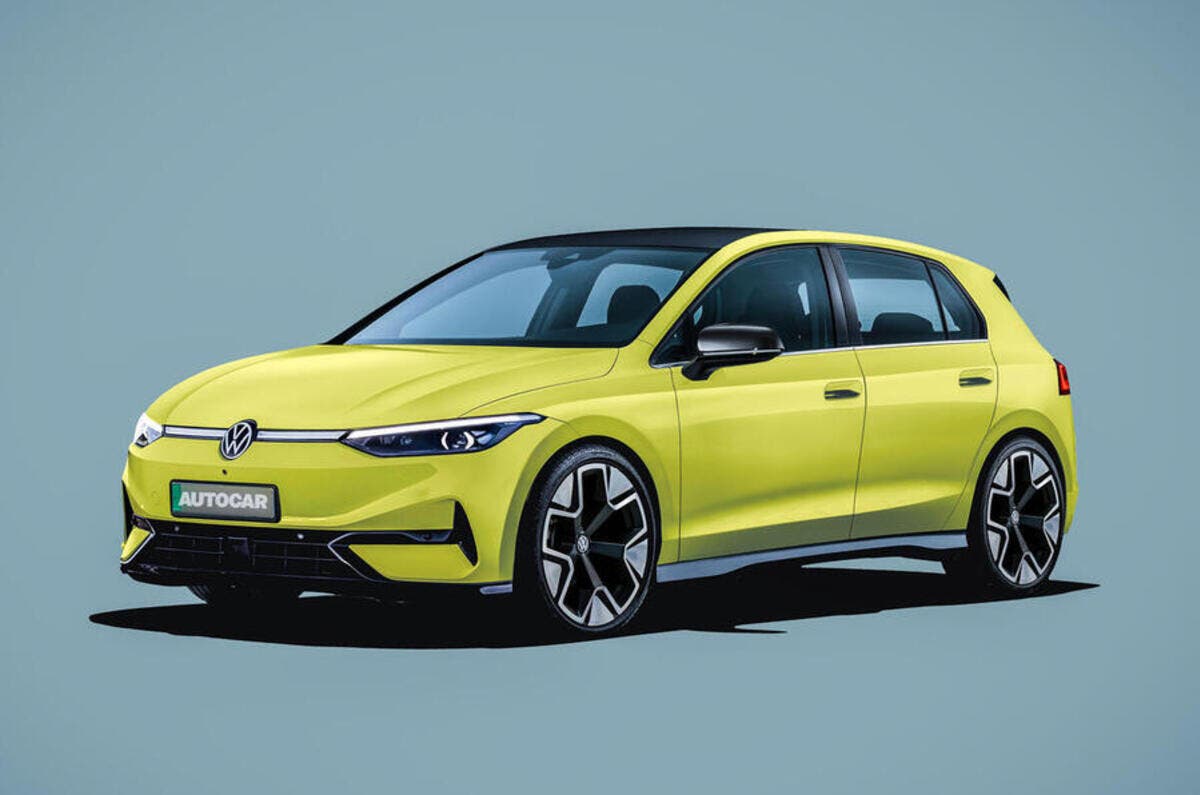
According to Schäfer, the current ID lineup, featuring the ID.2, the refreshed ID.3 Neo, and the upcoming ID.4 Cross, is “sufficient” to hold the fort. When the revolutionary product isn’t ready, simply claim the existing ones are exactly what the world wanted all along.
However, the real culprit behind this scheduling heartbreak is the SSP architecture. This was supposed to be the holy grail of Wolfsburg engineering, boasting an 800V system and high-density batteries.
The software, now a joint venture with Rivian after Volkswagen’s internal digital attempts hit a wall, was originally slated for this year. Now? We might see the first SSP vehicles in 2028, but don’t expect a Golf badge on them. Schäfer confirmed a strict pecking order for the new tech: Audi first, Porsche second, and Volkswagen will get the leftovers whenever they’re ready. It’s a hierarchy of margins, and right now, the Golf isn’t at the “VIP” table.
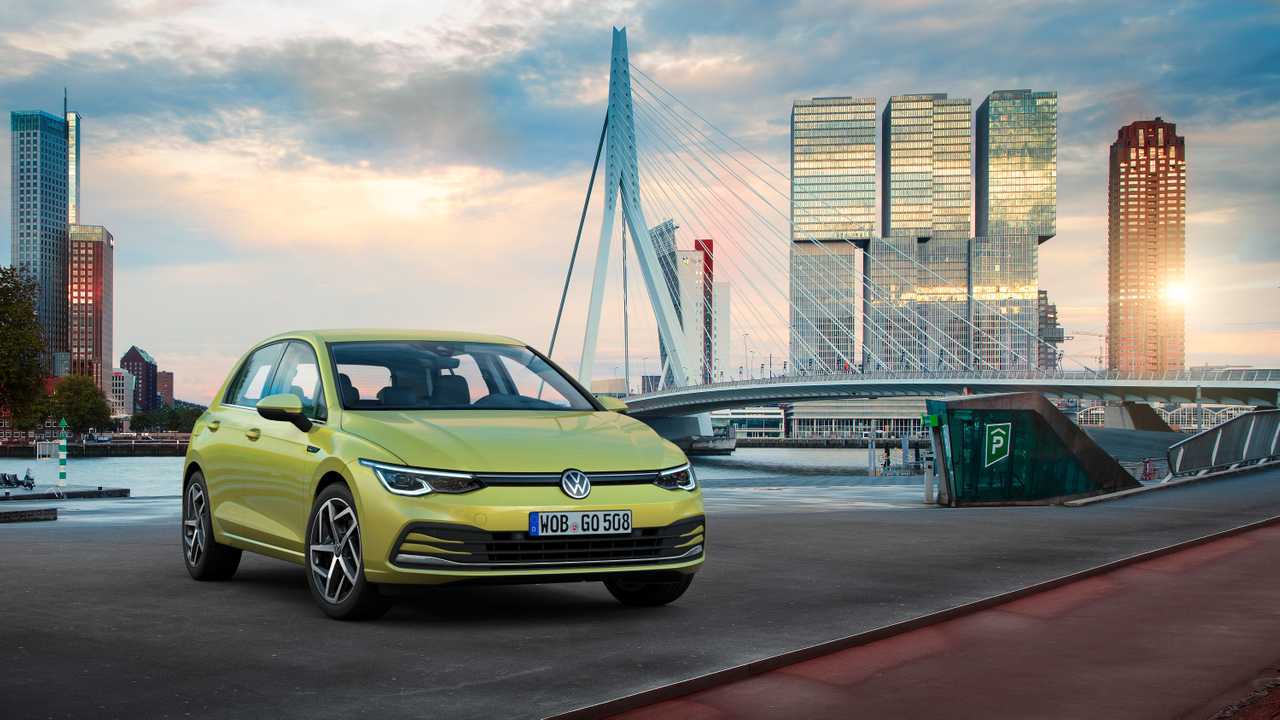
When pressed on the delay, Schäfer reached for that favorite executive security blanket: “scalability”. The pressure from the East has forced a total recalculation of materials and investments.
Meanwhile, the industrial puzzle of the ninth-generation Golf continues. While the ghost of the EV version waits for a production line in Wolfsburg, the updated internal combustion models are packing their bags for Mexico. It’s a complex, global game of musical chairs where the music has stopped, but the most important car in Volkswagen’s history still hasn’t found a seat.