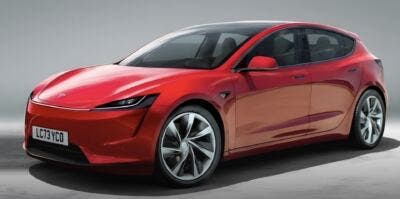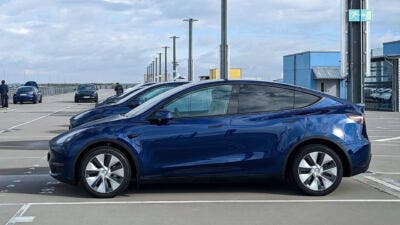
Forget everything the range-anxiety prophets and the “slow-charge-only” purists told you about the chemical funeral awaiting every electric battery. For years, the narrative has been rigid: “Treat your battery like a delicate porcelain doll, charge it at home”. Well, it turns out the EV world has its own version of a blue-collar hero that laughs in the face of high-voltage abuse. Enter a Tesla Model Y, a former UK taxi that lived a life most EV enthusiasts would consider a digital nightmare.
This car didn’t just “use” DC fast charging, it made it a personality trait. According to the diagnostic data, out of the massive energy diet this Model Y consumed, a laughable 36 kWh came from a domestic socket. The other 32,684 kWh? Pure, unadulterated DC fast charging and aggressive regenerative braking.
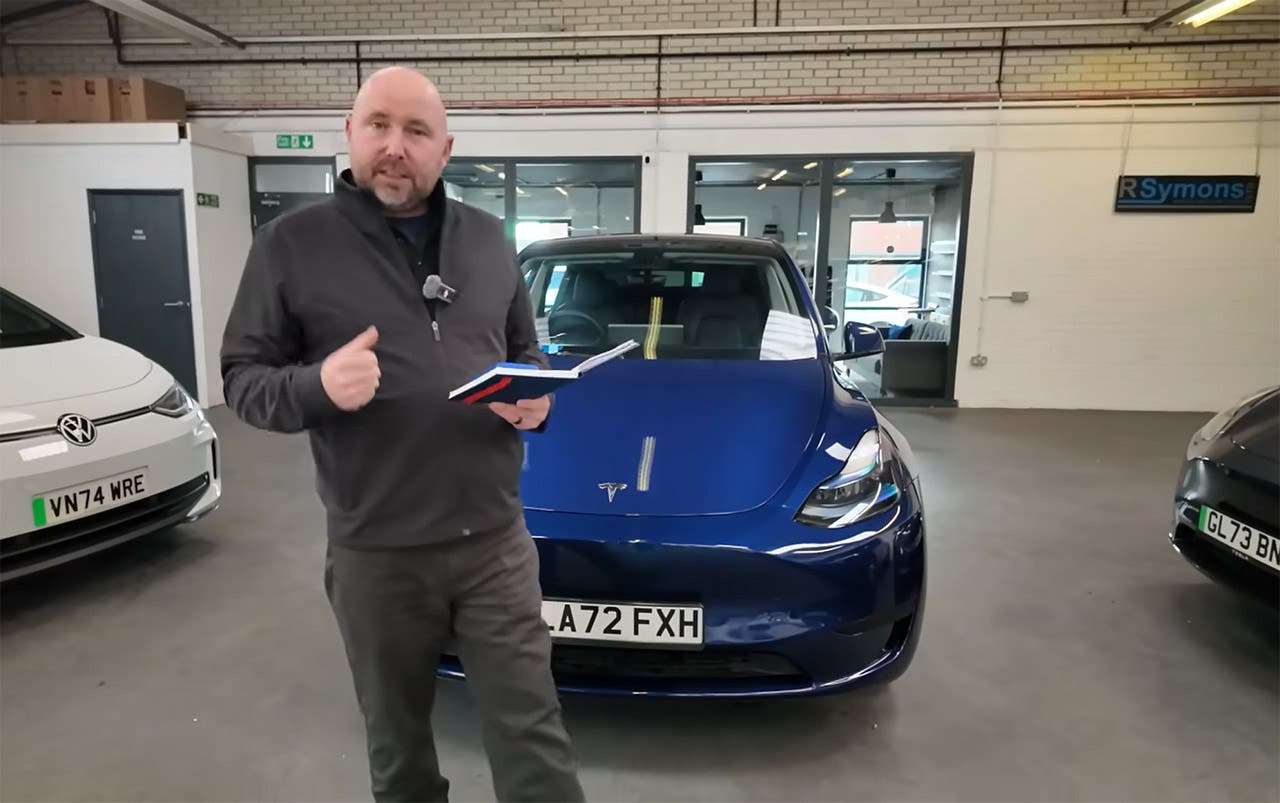
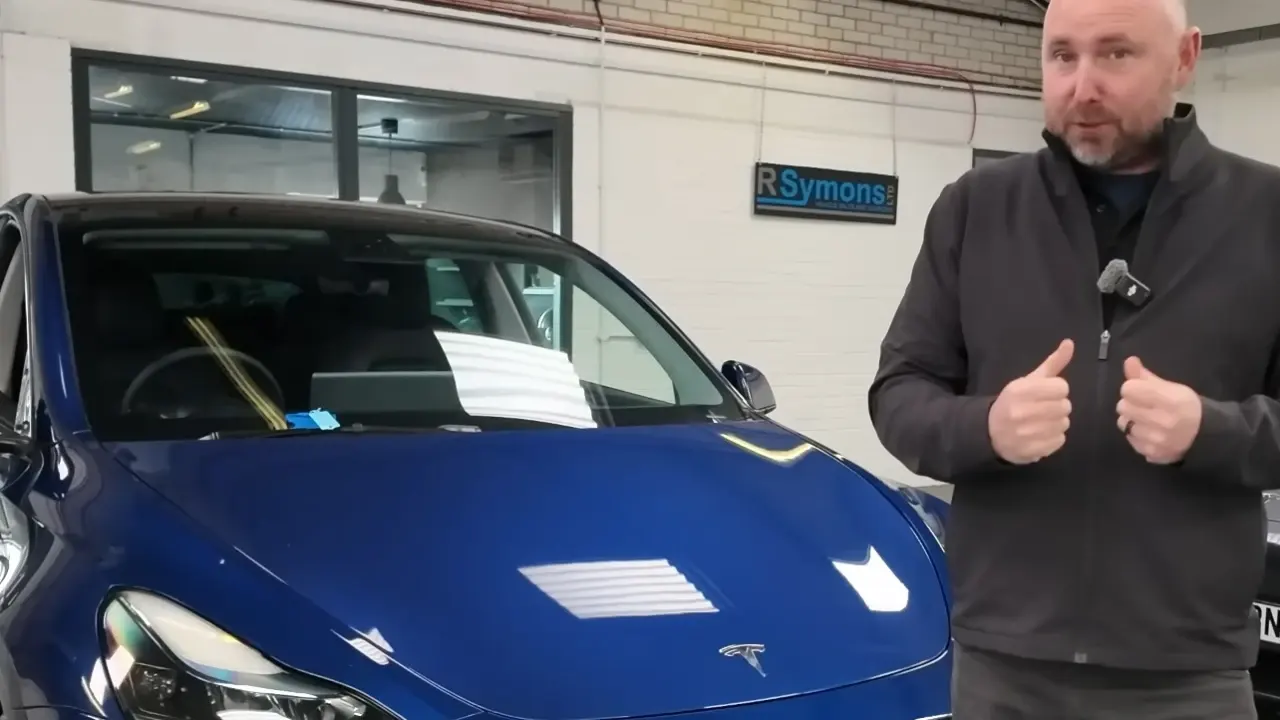
When YouTuber Richard Symons hooked this workhorse up to a diagnostic port, the skeptics were likely salivating at the thought of a crumbling lithium ruin. Instead, they found a 92% state of health.
A 2019 Model 3 Performance, meticulously charged at home to protect its “precious” cells, showed a 21% degradation with similar mileage. The difference isn’t magic, it’s the clash between chemical philosophies. On one side, we have the “aristocratic” Nickel-Manganese-Cobalt (NMC) cells, denser and lighter, but fragile enough to need a permanent “babysitter” restricting them to an 80% charge limit. On the other, the “workhorse” Lithium Iron Phosphate (LFP) pack found in this Tesla Model Y.
LFP might be the heavier, cheaper sibling, and it might get a bit grumpy when the temperature hits Siberian levels, but it is built like a tank. It doesn’t just tolerate being pushed to 100%, it practically demands it.
The data is becoming impossible to ignore: modern EV batteries are likely to outlast the very chassis they sit in. So, the next time someone tells you fast charging is the “original sin” of the electric era, show them this taxi.